

Online conversations about video games have taken a strange turn lately. In various corners of the digital landscape, there’s been a pervasive fixation on the idea that some people might not fully appreciate Crimson Desert—a title that sold over 4 million copies in record time and maintains a “Very Positive” rating on Steam. As a tech enthusiast at Digital Tech Explorer, I’ve watched this discourse unfold with a sense of irony, primarily because I’ve spent my recent weeks immersed in a game that many consider—with valid reasoning—to be fundamentally broken.

While the internet loses its collective mind over whether a masterpiece is “masterpiece enough,” I’ve been finding peace in the digital trenches of Mobile Suit Gundam Battle Operation 2 (GBO 2). It is a game the world largely hates, yet through the lens of a storyteller like myself, it reveals a fascinating narrative about mechanical design versus technical execution.
Let’s be clear: GBO 2 has earned its abysmal reputation. When it launched on Steam in 2023, it arrived as a staggering example of a poor PC port. This five-year-old free-to-play mecha shooter was weighed down by aggressive monetization, networking instability, and a UI that feels like a relic of a bygone era. For the uninitiated, it’s a technological headache that quickly alienated the mainstream PC gaming audience.
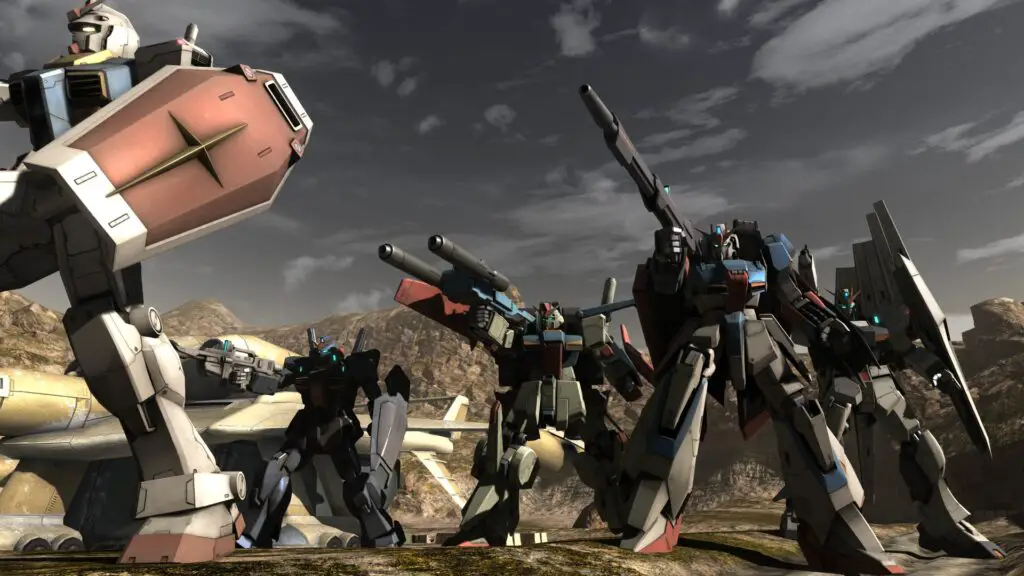
The performance issues are undeniable. Attempting to play with a controller feels sluggish, and the mouse-and-keyboard implementation is even more jarring. The hub area is a stuttering mess of menus, and the matchmaking system is a test of patience; waiting 10 minutes for a match only to have a single disconnection end the session for everyone is common. Even private matches aren’t safe, as the automated penalty system is notoriously unforgiving.
With a “Mostly Negative” rating on Steam and only 21% positive reviews, the consensus is clear. Yet, I find myself returning to it. Why? Because beneath the technical debris lies a simulation of 3D gaming physics that captures something no other title has managed to replicate.
The Beauty in the Breakdown
If you look past the downward-pointing thumbs on Steam, you’ll find a subset of players praising the “weight and intention” of the combat. This is where my perspective as TechTalesLeo aligns with the community. GBO 2 isn’t necessarily a “good” video game by modern software standards, but it is an exceptional Gundam simulator.
As a tech enthusiast who has followed the evolution of digital media, I’ve noticed that modern gaming often prioritizes accessibility over physical depth. Gundam’s Universal Century (UC) timeline, however, is built on a foundation of “grounded” sci-fi. It’s a world of hydraulics, armor weight, and logistics. While titles like Gundam Evolution offered a polished hero-shooter experience, they lacked the mechanical heft that defines the UC era.
GBO 2 succeeds where more polished games fail because it respects the physics of multi-ton machinery. In this game, movement has consequences. If you overcommit to a melee swing with a Gelgoog, the recovery time is agonizingly realistic. Successfully landing a beam rifle shot on a distant Gouf requires an understanding of momentum and lead time that feels tangibly rewarding.
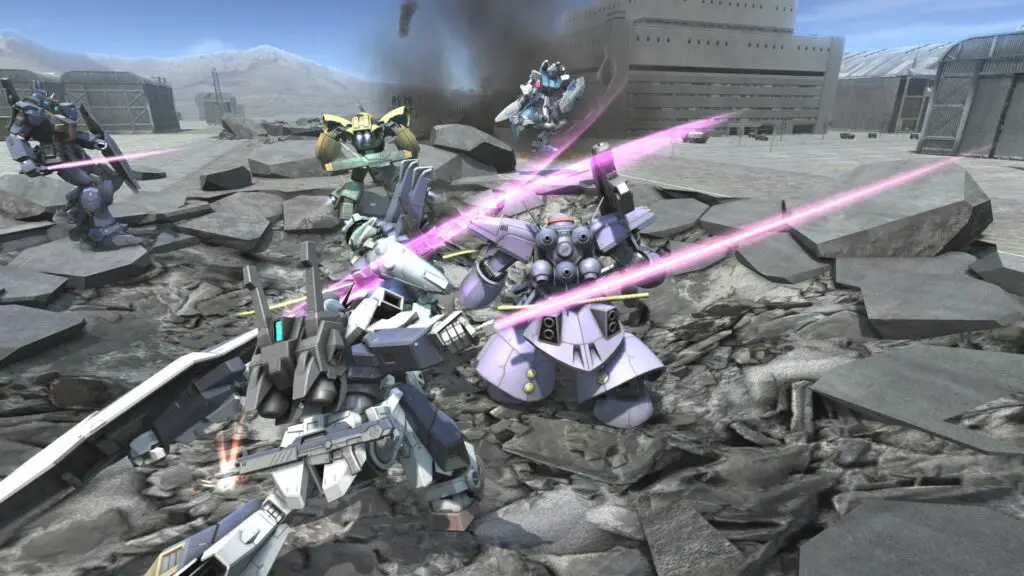
The game features a cost-rating system that dictates match tiers, ensuring a sense of technological progression. Playing an early-gen Zaku feels like fighting in a heavy, clunky tank, whereas pilot-specific suits like the Sinanju offer a glimpse into the experimental, high-speed warfare of the late UC era. This attention to detail in machine physicality is a masterclass in specialized game design.
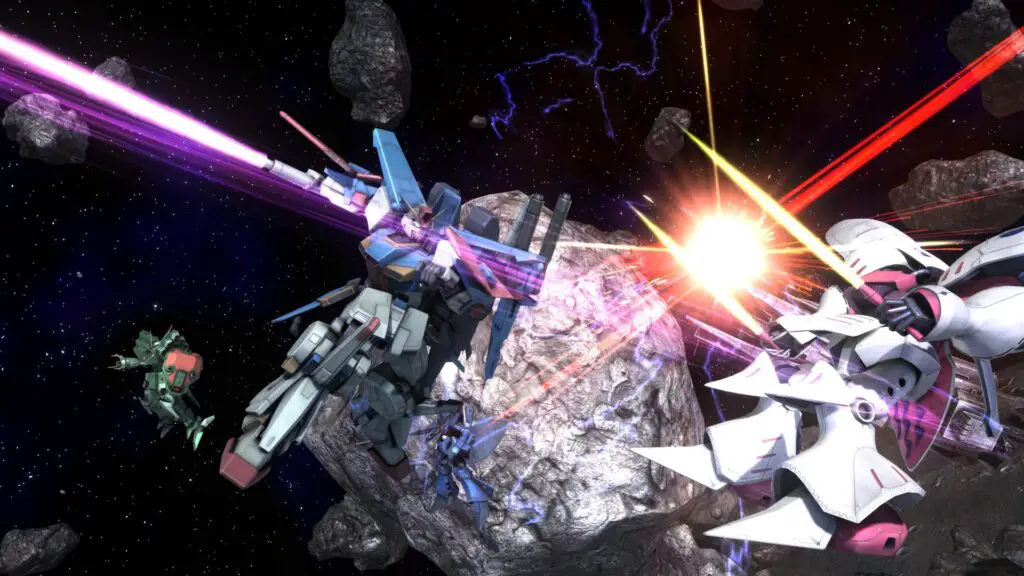
Even the tuning systems—which allow for granular adjustments to heat management and sighting recovery—reinforce the feeling that you are maintaining a piece of complex hardware. It turns these digital avatars into believable, modifiable machines.
Redefining the Tech Review
At Digital Tech Explorer, our mission is to help you make informed decisions. Usually, that means pointing you toward the highest-performing software and hardware. However, my time with GBO 2 has reinforced a different truth: a “bad” review score doesn’t always mean a product lacks value.
When a game’s mechanics resonate with your specific tastes—despite technical flaws—it helps you define what you truly value in a digital experience. For me, the mechanical physicality and systems design of GBO 2 outweigh the frustrations of its fumbled PC port. It’s a reminder that in the world of tech and gaming, the most polished product isn’t always the one that tells the best story.
If you can recognize the specific elements that speak to you, there is immense value in exploring the “mostly negative” fringes of the industry. Sometimes, the most interesting innovations are hidden under a layer of unpolished code.
All content on Digital Tech Explorer is for informational and entertainment purposes only. Some of the links on Digital Tech Explorer are affiliate links. This means we may earn a commission if you click through and make a purchase, at no additional cost to you. Our recommendations are based on thorough research and personal experience.