
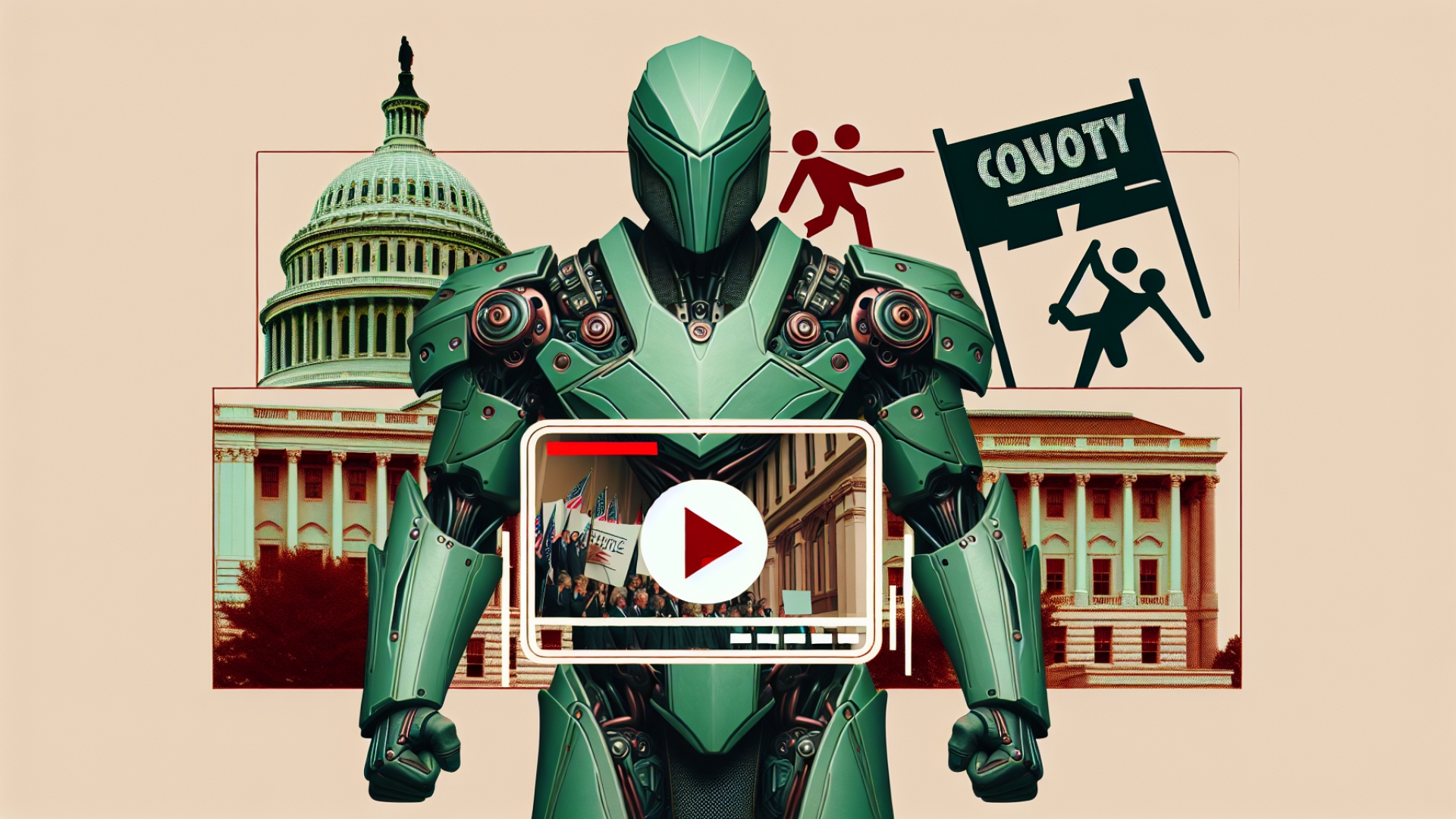
Master Chief Speaks Out: Steve Downes Rejects Unauthorized Use of Halo Audio in Political Media
In a landscape where digital media and pop culture increasingly collide with global politics, a new controversy has emerged at the intersection of gaming and government communication. Steve Downes, the legendary voice behind Halo’s Master Chief, has formally requested that the White House remove his voice from a promotional video titled “JUSTICE THE AMERICAN WAY,” recently circulated on X (formerly Twitter).
At Digital Tech Explorer, we monitor how software, media, and digital intellectual property are utilized across the web. This incident highlights a growing tension between copyright holders, digital performers, and the viral nature of modern propaganda.
The Digital Anatomy of ‘JUSTICE THE AMERICAN WAY’
The 42-second video, shared via The White House X account, serves as a high-octane media piece intended to rally support for military operations. Following the escalations that began in late February, the video utilizes fast-paced editing and recognizable digital assets to frame the narrative of the conflict. However, the production has faced scrutiny not just for its message, but for its unauthorized integration of iconic entertainment figures.
Gaming Icons as Propaganda Tools
The video strategically weaves together clips of fictional heroes—including Tony Stark, Walter White, and Optimus Prime—alongside footage of military strikes. Most notably, a segment features the Master Chief delivering his famous line, “finishing this fight,” a cinematic moment from Halo 2: Anniversary Edition. By leveraging these cultural touchstones, the video attempts to create a familiar, “heroic” context for real-world kinetic actions.

Steve Downes Responds: A Stand for Digital Ethics
TechTalesLeo, our lead storyteller here at Digital Tech Explorer, notes that the ethical use of a performer’s voice is paramount in the digital age. Steve Downes made his stance clear in a public statement on March 8, distancing himself entirely from the production.
“I did not participate in nor was I consulted, nor do I endorse the use of my voice in this video, or the message it conveys,” Downes stated. He further described the content as “disgusting and juvenile,” demanding the immediate removal of his audio from the video.
Despite this clear lack of consent, the video remains live on official social media channels, raising questions about the accountability of government entities regarding digital intellectual property and performer rights.
A Pattern of Unauthorized IP Usage
This is not the first time the current administration has faced backlash for utilizing celebrity IP without permission. This incident follows a series of digital media controversies involving high-profile artists and gaming franchises. Below is a summary of recent unauthorized usage incidents:
| Artist/IP Holder | Media Used | Status of Content |
|---|---|---|
| Steve Downes (Halo) | “Finishing this fight” Voice Line | Active (Despite Protest) |
| Sabrina Carpenter | Music for ICE Raid Footage | Deleted (Following Criticism) |
| Rockstar Games (GTA) | “Ah shit, here we go again” Meme | Active |
The frequent deployment of video games and PC gaming culture in political propaganda suggests a shift toward targeting younger, tech-savvy demographics. From using Minecraft aesthetics to GTA: San Andreas memes, the digital strategy has been criticized for being “out of touch” or, in more severe cases, for subtly referencing controversial internet subcultures.
As we continue to explore the evolution of AI and digital replication, the case of Steve Downes serves as a vital reminder: technology may make it easier to repurpose content, but the ethical and legal boundaries of creative ownership remain as important as ever.

About the Author: TechTalesLeo is a dynamic storyteller and tech enthusiast who brings technology to life through captivating narratives. With a background in digital media and innovation, Leo focuses on making complex tech trends accessible and intriguing for the Digital Tech Explorer community.
Disclaimer: All content on Digital Tech Explorer is for informational and entertainment purposes only. We do not provide financial or legal advice.
Affiliate Disclaimer: Some of the links on Digital Tech Explorer are affiliate links. This means we may earn a commission if you click through and make a purchase, at no additional cost to you. Our recommendations are based on thorough research and personal experience.