
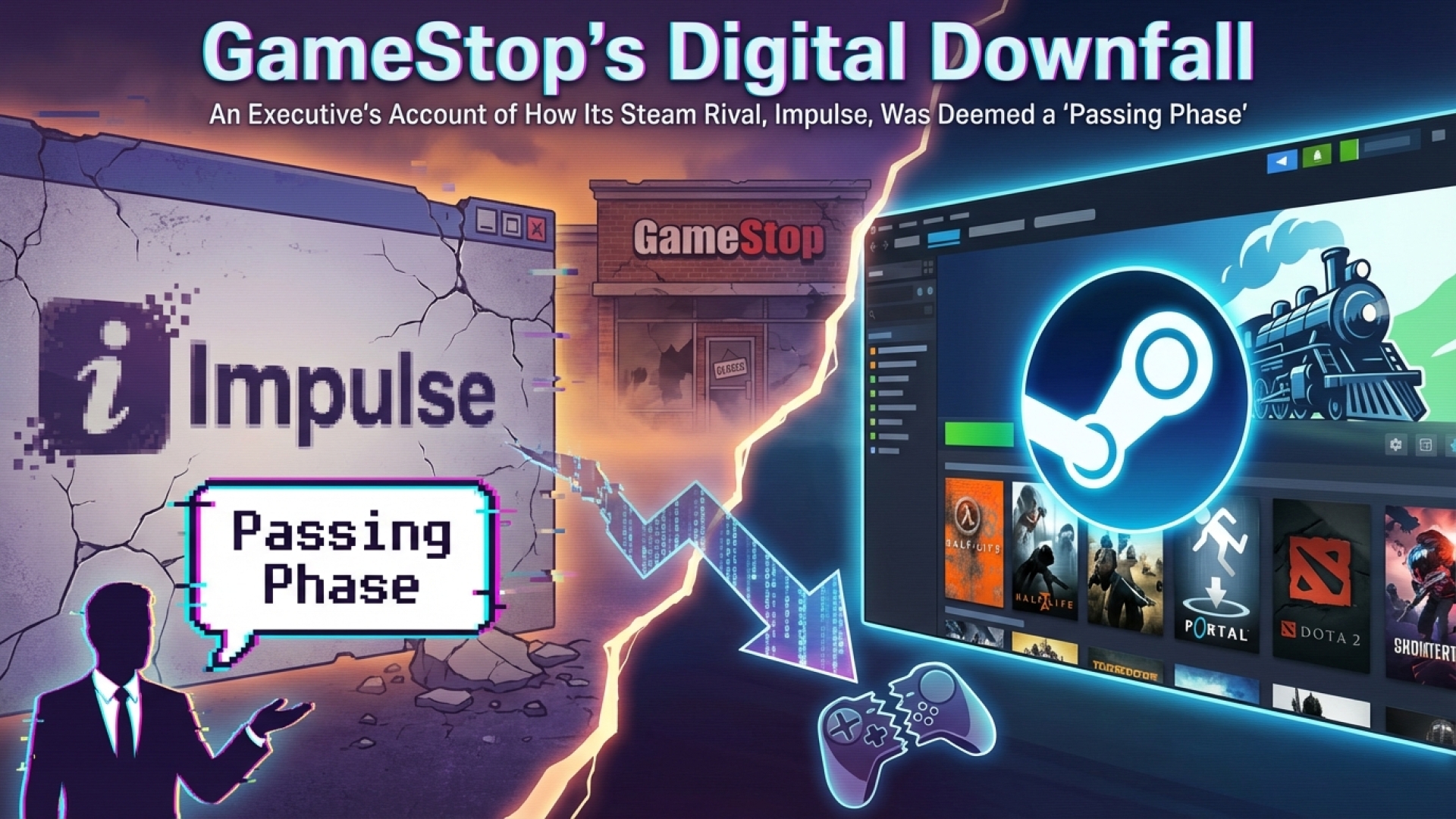
At Digital Tech Explorer, we frequently analyze the “what-ifs” of the tech world—those pivotal moments where a single decision altered the course of digital history. One of the most fascinating chronicles in the gaming industry is the rise and fall of Impulse, a digital distribution platform that could have rivaled Steam if not for a monumental strategic miscalculation. As TechTalesLeo, I’ve tracked the evolution of digital storefronts for years, but the story of Larry Kuperman and GameStop’s dismissal of the digital age remains a definitive lesson in corporate hubris.
The Genesis of Impulse: Stardock’s Digital Foresight

Long before PC games were synonymous with one-click downloads, Stardock was already laying the groundwork for a digital future. Larry Kuperman joined the software firm in 2001, entering an era where physical retail was the undisputed king. However, Stardock saw a different horizon.
Kuperman’s foresight was first tested during negotiations for the economics simulation game, The Corporate Machine. He insisted on retaining the rights to electronic sales—a move that traditional publishers like Take-Two likely viewed as a trivial concession at the time. This minor contract clause became the foundation for Drengin, a precursor to modern storefronts where users received a download link and a serial number via email.
The real shift occurred between 2004 and 2005. When the Canadian publisher Strategy First collapsed, Stardock moved swiftly to acquire their electronic distribution rights. This content library became the fuel for Impulse, which launched in 2008 as a direct competitor to Valve’s Steam, offering a viable alternative in the burgeoning gaming market.
GameStop’s Acquisition: A Collision of Visions

In 2011, GameStop acquired Impulse, and Kuperman transitioned to lead their electronic distribution wing. For Kuperman, this was meant to be his “forever job”—an opportunity to integrate a powerful digital platform with the world’s largest gaming hardware and software retailer.
However, a fundamental ideological gap soon emerged. While Kuperman saw digital as the future, GameStop’s upper management infamously categorized digital distribution as a “passing phase.” They were convinced that the consumer’s preference for physical media and the brick-and-mortar experience would eventually regain its dominance.
This dismissive attitude toward digital innovation mirrored Blockbuster’s refusal to acquire Netflix. By treating Impulse as a secondary experiment rather than a core survival strategy, GameStop missed its window to secure a foothold in the PC market before Steam achieved near-total hegemony.
The Legacy: Lessons in Digital Survival
The end of the story is well-documented within the tech industry. Impulse was officially shuttered in 2014, marking the end of GameStop’s relevance in the digital PC space. What followed for the retailer was a decade of volatility, characterized by “meme stock” fluctuations, aggressive store closures, and the eventual gutting of its iconic publication, GameInformer.
At Digital Tech Explorer, we believe the Impulse saga serves as a cautionary tale for any tech-adjacent business. Ignoring the irreversible shift toward digital accessibility doesn’t just stall growth—it invites obsolescence. For Larry Kuperman, Impulse was a vision of what could have been; for GameStop, it remains one of the most expensive “missed connections” in the history of interactive entertainment.
For more in-depth analyses on tech history and software trends, stay tuned to Digital Tech Explorer.