
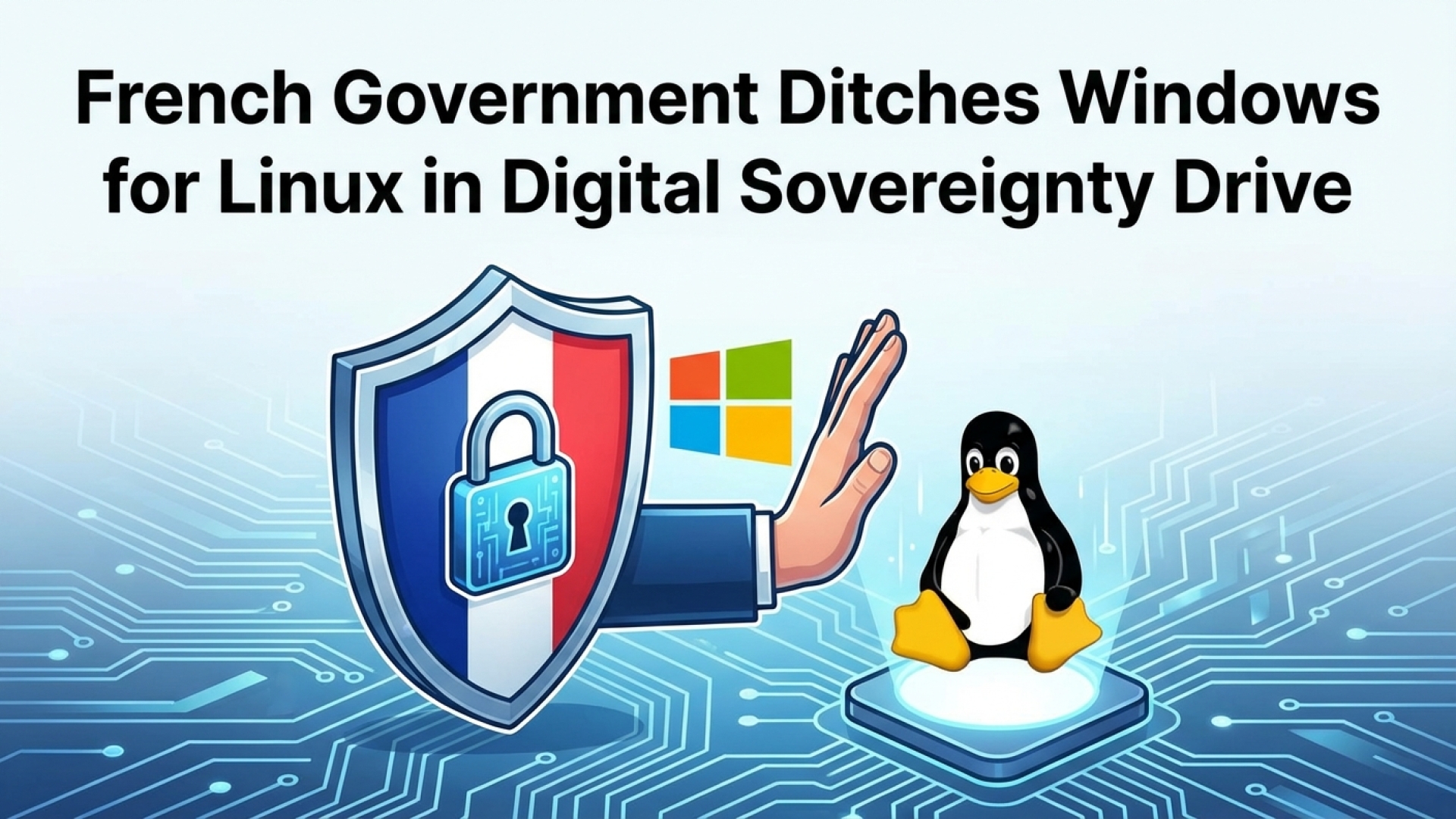
In a bold move that signals a turning point in the global landscape of digital sovereignty, the French government has officially announced a strategic transition of its infrastructure from Windows to Linux. Here at Digital Tech Explorer, we closely monitor these shifts in technical infrastructure, and this decision highlights a growing urgency for nations and organizations to “accelerate the reduction of extra-European dependencies.” This isn’t just a software update; it’s a narrative of reclaiming technological control.
France’s Strategic Narrative: Breaking Free from the Windows Ecosystem
The announcement, detailed during a high-level seminar and reported by industry watchdogs like Tom’s Hardware, confirms the French government’s intent to exit the Windows ecosystem in favor of workstations powered by the Linux operating system. This mission is driven by a powerful coalition of governmental bodies, including the Directorate General for Enterprises (DINUM), the National Cybersecurity Agency of France (ANSSI), and the State Procurement Directorate (DAE). For those of us in the development community, this move represents one of the largest migrations to open-source software in recent history.
Why Linux? The Developer’s Choice for Control and Efficiency
As a seasoned software engineer, I’ve often discussed the inherent benefits of Linux. It’s more than just a free and open-source operating system; it’s a toolkit for precision. Linux offers unparalleled customizability and efficiency, allowing developers to strip away unnecessary overhead and focus on performance. While some users are pivoting away from Microsoft due to the aggressive integration of AI acceleration tools like Copilot, the French government’s rationale is more systemic. They are prioritizing a platform where the code is transparent, the security is community-vetted, and the geopolitical footprint is minimized.
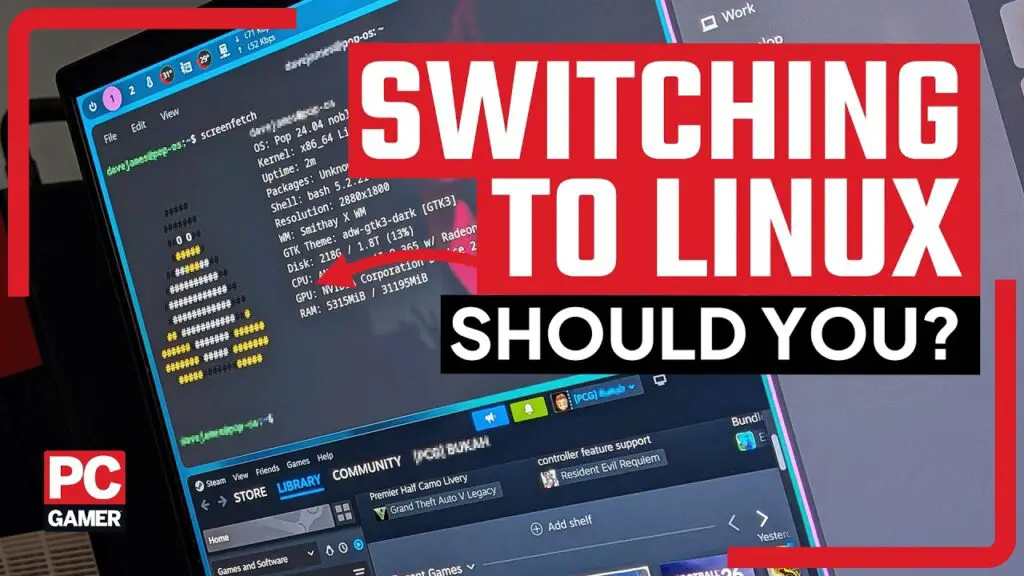
Digital Sovereignty: Reclaiming the Tech Infrastructure
The heartbeat of this initiative is digital sovereignty. By migrating to tools that are not owned or controlled by foreign entities, France is seeking to insulate its digital infrastructure from external policy changes and pricing shifts. The beauty of open-source software lies in its autonomy; it allows for the creation of custom distributions tailored specifically to national security needs without the “black box” risks associated with proprietary American tools. It is a story of regaining control over one’s digital destiny.
The Road Ahead: 80,000 Agents and Beyond
The scale of this implementation is ambitious and meticulously planned. By the end of 2026, the French government intends to transition 80,000 agents within the National Health Insurance Fund to these “sovereign solutions.” David Amiel, the Minister of Public Action and Accounts, has been vocal about the necessity of this shift. He noted that the state can no longer remain dependent on solutions where the rules, pricing, and evolution are dictated by external parties.
This massive migration underscores a broader tech trend: the realization that strategic data and infrastructure are too valuable to be left to the whims of foreign software giants. For tech enthusiasts and professionals alike, France’s move to Linux is a case study in how large-scale organizations can pivot toward independence and technical transparency.
Stay tuned to Digital Tech Explorer for more in-depth analyses of how open-source hardware and software are reshaping our digital world.