
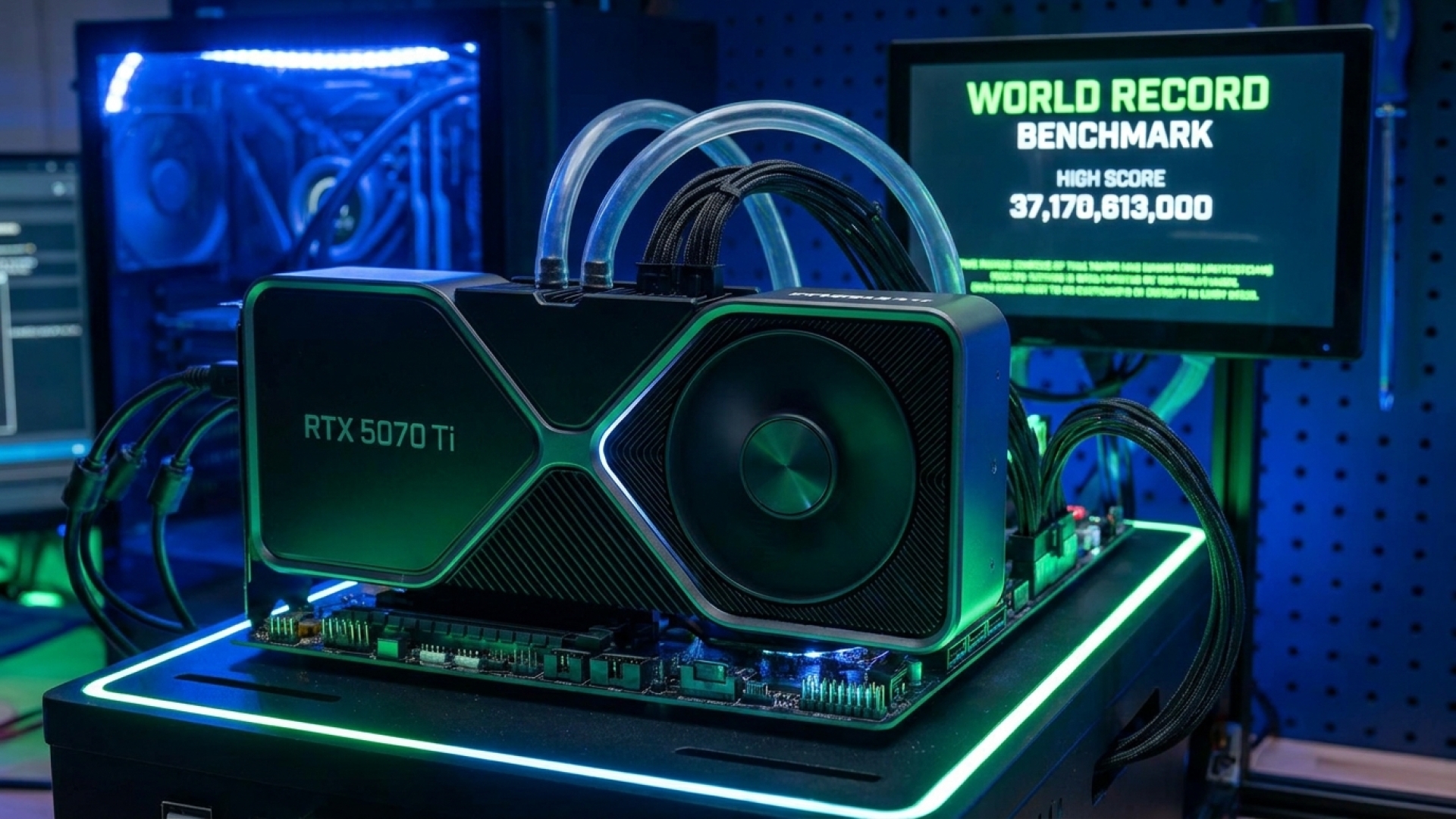
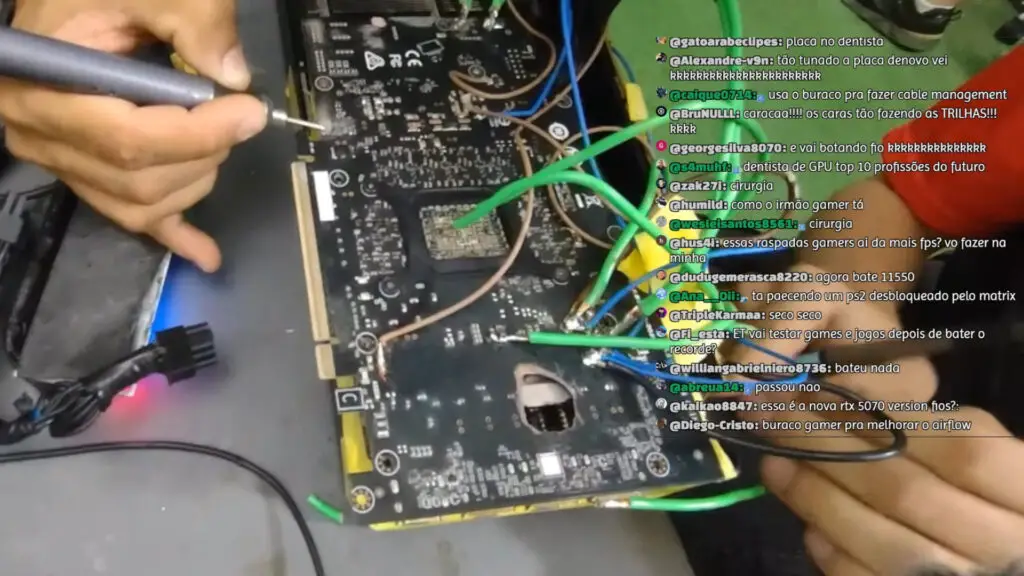
At Digital Tech Explorer, we love a good hardware resurrection story, especially one that pushes the boundaries of what is traditionally considered “functional” engineering. We previously followed the saga of an RTX 5070 Ti that had been written off due to a literal hole in its PCB. However, YouTuber Paulo Gomes and his team of specialists refused to let the hardware die. By grafting VRMs from an AMD Radeon RX 580 donor card onto the board, they created a “Frankenstein” hybrid that defied expectations.
A Global Milestone for the Frankenstein GPU
Our author, TechTalesLeo, often explores how digital innovation stems from creative problem-solving, and this project is a prime example. The team didn’t just stop at making the card work; they aimed for dominance. By utilizing an Asus GeForce RTX 2080 Ti PCB as a foundation and implementing aggressive power delivery modifications, this modified unit has officially claimed the top spot in the Unigine Superposition online rankings for the RTX 5070 Ti category, specifically crushing the 8K optimized preset.
Overcoming the “Rat’s Nest” of Engineering
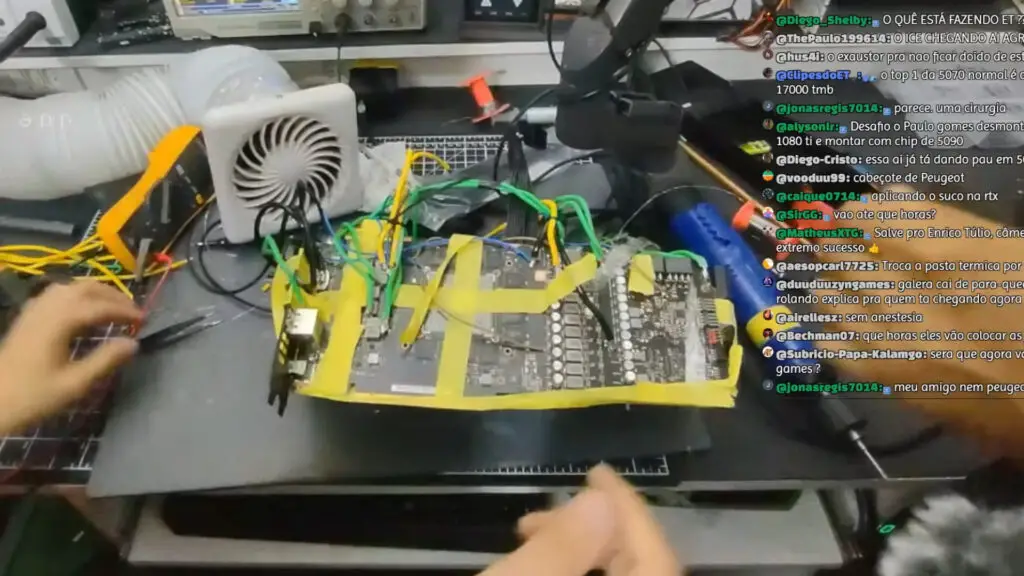
The path to a world record is rarely smooth. During a marathon seven-hour live stream, the team battled a series of technical nightmares that would have discouraged most developers. They faced persistent low-resolution output and massive voltage drops that threatened the stability of the benchmark. To solve this, they employed a “rat’s nest” of custom wiring, strategic application of heat-resistant tape, and precision cutting tools to minimize conductor resistance. This manual intervention was essential to bridge the electrical gap between the two integrated boards.
Technical Performance Breakdown
The results of this AI-accelerated era hardware were staggering. The team successfully reduced voltage drops from a massive 400 mV down to a manageable 30 mV. However, pushing such “cursed” hardware to the limit comes with risks, including a reported thermal spike where temperatures jumped 30 degrees in a single second.
| Metric | Achievement |
|---|---|
| Peak Clock Speed | 3.23 GHz |
| Memory Bandwidth | 34 Gbps |
| Unigine Superposition Score (8K) | 11,150 |
| Voltage Drop Improvement | 400 mV to 30 mV |
The Spirit of Hardware Innovation
While the final aesthetic of the card—held together by wires and tape—might be jarring to those used to pristine gaming rigs, the achievement is undeniable. Scoring 11,150 in Superposition places this specific RTX 5070 Ti at the pinnacle of its class. This project serves as a brilliant reminder for the community at Digital Tech Explorer: with enough technical skill and persistence, even a GPU with a hole in it can become a world-class performer.
For more deep dives into hardware mods and the latest in 2024 releases, stay tuned to TechTalesLeo’s latest updates.