
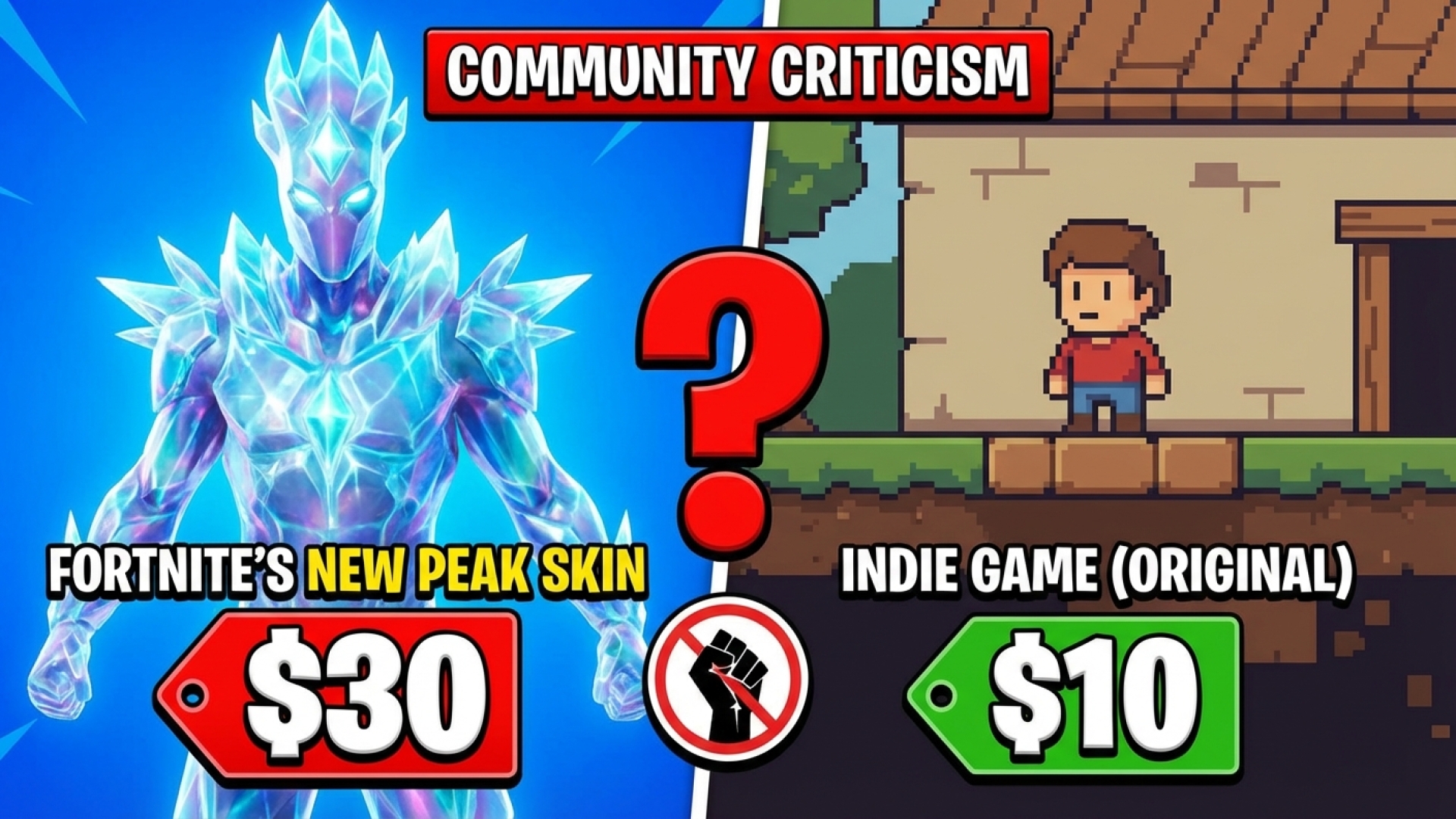
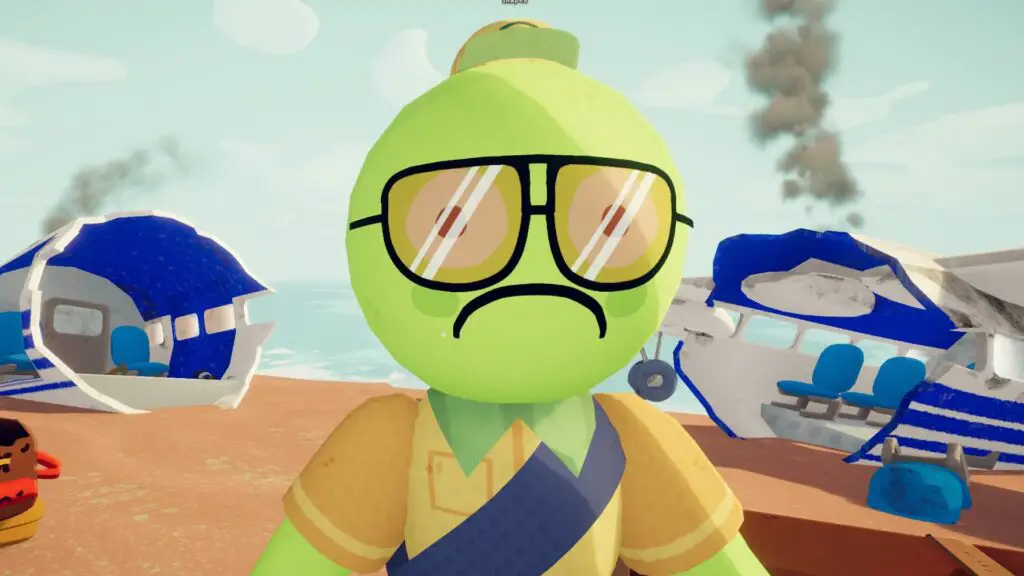
At Digital Tech Explorer, we are always excited to see indie gems get the recognition they deserve. However, the latest crossover in the world of gaming has raised some eyebrows—not because of the content, but because of the cost. The physics-based climbing phenomenon Peak has officially arrived in Fortnite, bringing its iconic scouts to Epic Games’ massive battle royale. While the transition of these cheerful characters is visually impressive, the price tag attached to them is causing a stir among tech enthusiasts and budget-conscious gamers alike.
The Math Behind the Mountain: Skin vs. Game
As we dive into the digital economics of this release, the disparity is staggering. A single Scout skin in the Fortnite Item Shop is priced at 2,000 V-Bucks. In real-world currency, this translates to roughly $22.40 USD (based on the $22.99 price point for a 2,400 V-Buck pack). When you compare this to the actual indie game Peak, which the skin is based on, the skin costs nearly three times more than the full game experience.
| Item | Price (Approx. USD) | Value Proposition |
|---|---|---|
| Fortnite Scout Skin | $22.40 | Single cosmetic item (No gameplay changes) |
| Peak (Full Indie Game) | $7.99 | Complete physics-based climbing simulator |
| Peak (Sale Price) | $4.85 | Lowest recorded price for the full game |
Essentially, for the price of one cosmetic skin in Fortnite, you could purchase 2.8 copies of the original game. You could buy the game for yourself, a friend, and still have funds left over for a third copy. It is important to note that this 2,000 V-Buck price covers only the character skin, excluding additional accessories like pickaxes or specialized wraps.
A Recurring Trend in the Fortnite Economy
This isn’t the first time Epic Games has faced criticism for its pricing strategy regarding indie collaborations. In 2024, the community voiced similar concerns when Lethal Company skins were released at a price point significantly higher than the game itself. This trend suggests a shift in how “value” is perceived within live-service ecosystems versus standalone software.
Even prior to the recent V-Bucks price adjustments, the cost of a high-tier skin would have equated to more than double the price of the source material. The community response has been sharp, with many players pointing out the irony of a cosmetic representation costing more than the entire creative work it mimics. For developers, while these crossovers provide massive exposure, the pricing disparity remains a point of contention among fans.

Epic’s Financial Landscape and the Player’s Choice
To understand why these prices remain high, we have to look at the broader business context. Epic Games has navigated significant internal shifts recently, including the layoff of over 1,000 employees. CEO Tim Sweeney has been transparent about the company’s financial state, noting that spending has frequently outpaced revenue. This pressure to “pay the bills” likely means that premium pricing for high-profile PC games cosmetics is here to stay.
From the perspective of TechTalesLeo, technology and gaming should remain accessible. If you are looking for the best return on your investment, our recommendation is clear: support the indie developers directly. While the Scout skin looks great in a 100-player lobby, purchasing the full Peak game—especially when it hits its historical low of $4.85—offers hours of unique gameplay that a cosmetic item simply cannot match.
As we continue to track the evolution of AI in gaming and the fluctuating digital economy, Digital Tech Explorer remains committed to helping you make informed decisions in the ever-changing tech landscape.