
Odds are that you didn’t just stumble across this story by sheer coincidence while browsing Digital Tech Explorer—it’s far more likely that Google played a significant role in bringing you here. Whether Google Discover served this narrative to your feed or you utilized Google search to track the latest tech regulations, the search giant remains the primary gateway to the web. However, that “gatekeeper” status is facing a major challenge as the European Commission proposes new measures to level the playing field.
European Commission’s Proposal for Data Transparency
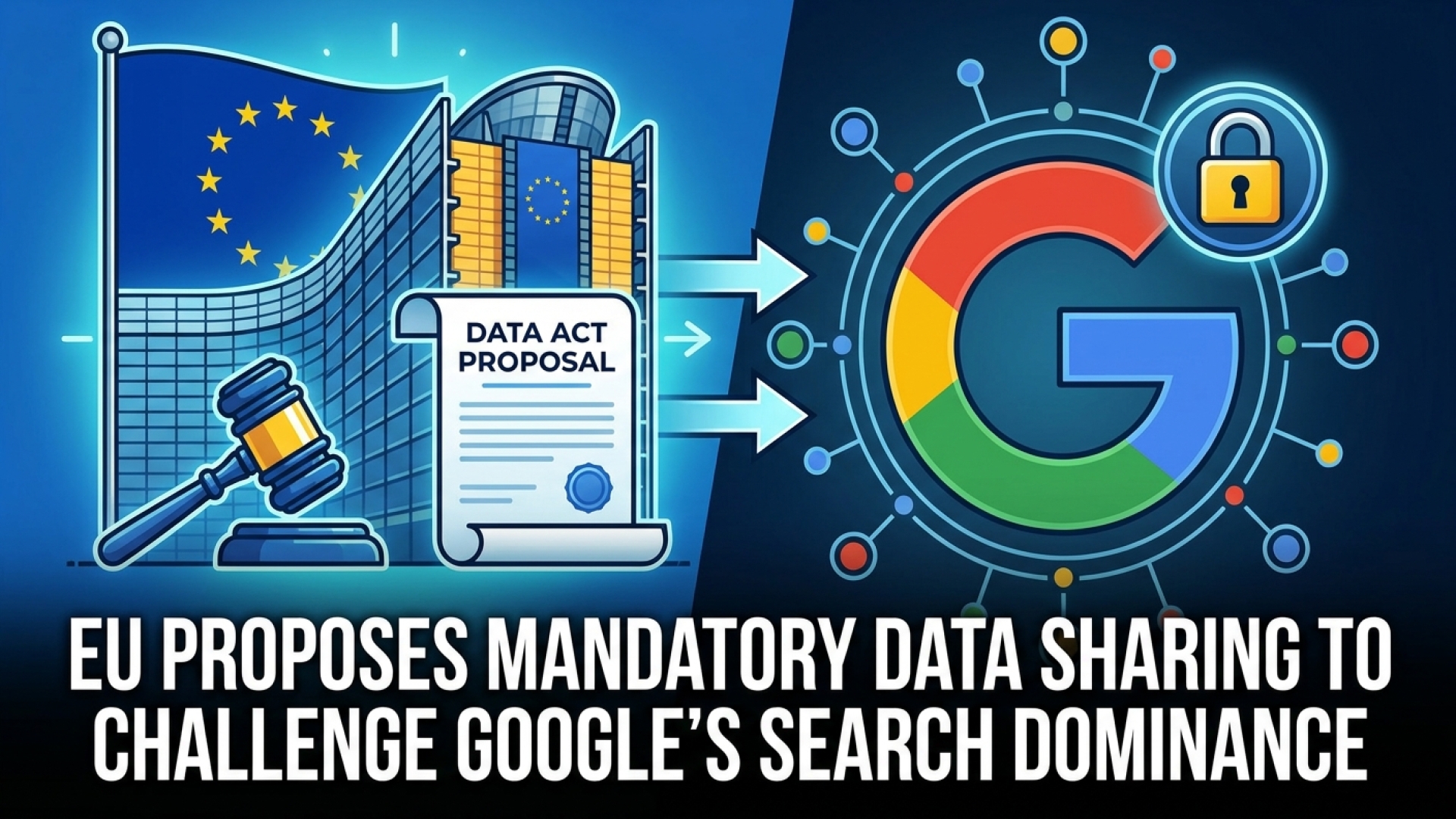
The European Commission is moving to break the information monopoly by proposing that Google share its search data with third-party search engines. This dataset would encompass critical metrics such as “ranking, query, click, and view data.” According to the European Commission, this information should be provided on “fair, reasonable, and non-discriminatory terms.”
The underlying strategy is to empower “data beneficiaries”—smaller or niche search engines—allowing them to optimize their own services and more effectively contest Google Search’s market dominance. For developers and tech enthusiasts, this could signal a shift toward a more diverse search ecosystem.
The Digital Markets Act: Reining in the “Gatekeepers”
These measures are part of a broader push to enforce the Digital Markets Act (DMA), which was implemented across the European Union in late 2022. The DMA specifically identifies “gatekeepers”—large-scale digital platforms providing core services like search engines, app stores, and messaging apps. The goal is to regulate the massive corporations that dictate how we interact with digital information.
Teresa Ribera, Executive Vice-President for Clean, Just and Competitive Transition, highlighted the stakes: “Data is a key input for online search and for developing new services, including AI. Access to this data should not be restricted in ways that could harm competition. In fast-moving markets, small changes can quickly have a big impact. We will not allow practices that risk closing markets or limiting choice.”
Regulatory History: A Timeline of Search Scrutiny
This isn’t an isolated incident. Google has been under the regulatory microscope for years, with various international bodies attempting to decouple its data from its dominant market position. Below is a look at the recent legal hurdles the company has faced regarding data sharing and antitrust laws.
| Year | Region/Body | Key Action/Ruling |
|---|---|---|
| 2024 | US Federal Court | Ruled Google violated antitrust laws through exclusivity deals. |
| 2025 | US Dept. of Justice | Ordered Google to share search index and user-interaction data with rivals. |
| 2026 | European Commission | Proposed mandatory sharing of ranking and click data under the DMA. |
Resistance and the Privacy Debate
Unsurprisingly, these proposals have met significant resistance. Following the AI acceleration trend, data has become more valuable than ever. Lee-Anne Mulholland, Vice President of Regulatory Affairs at Google, argued that forced data sharing could “risk user privacy and discourage competitors from building their own products—ultimately stifling the innovation that keeps the tech industry at the forefront.”
In early 2026, the company requested a delay in data sharing while appealing previous antitrust rulings, maintaining that users choose their services because they want to, not because they are forced to.
The Road Ahead for Digital Innovation
The conflict between regulatory bodies and tech giants is reaching a boiling point. All interested parties, including Google, have until May 1 to submit their formal views on the European Commission’s proposal. Following this feedback period, a final, binding decision is expected by July 27.
At Digital Tech Explorer, we believe that transparency and fair competition are the catalysts for better software and smarter coding solutions. Whether this decision results in a legitimate shift in search dynamics or simply a minor adjustment to the status quo remains to be seen. One thing is certain: the era of unchecked “gatekeeping” is being challenged by a new wave of digital accountability.