
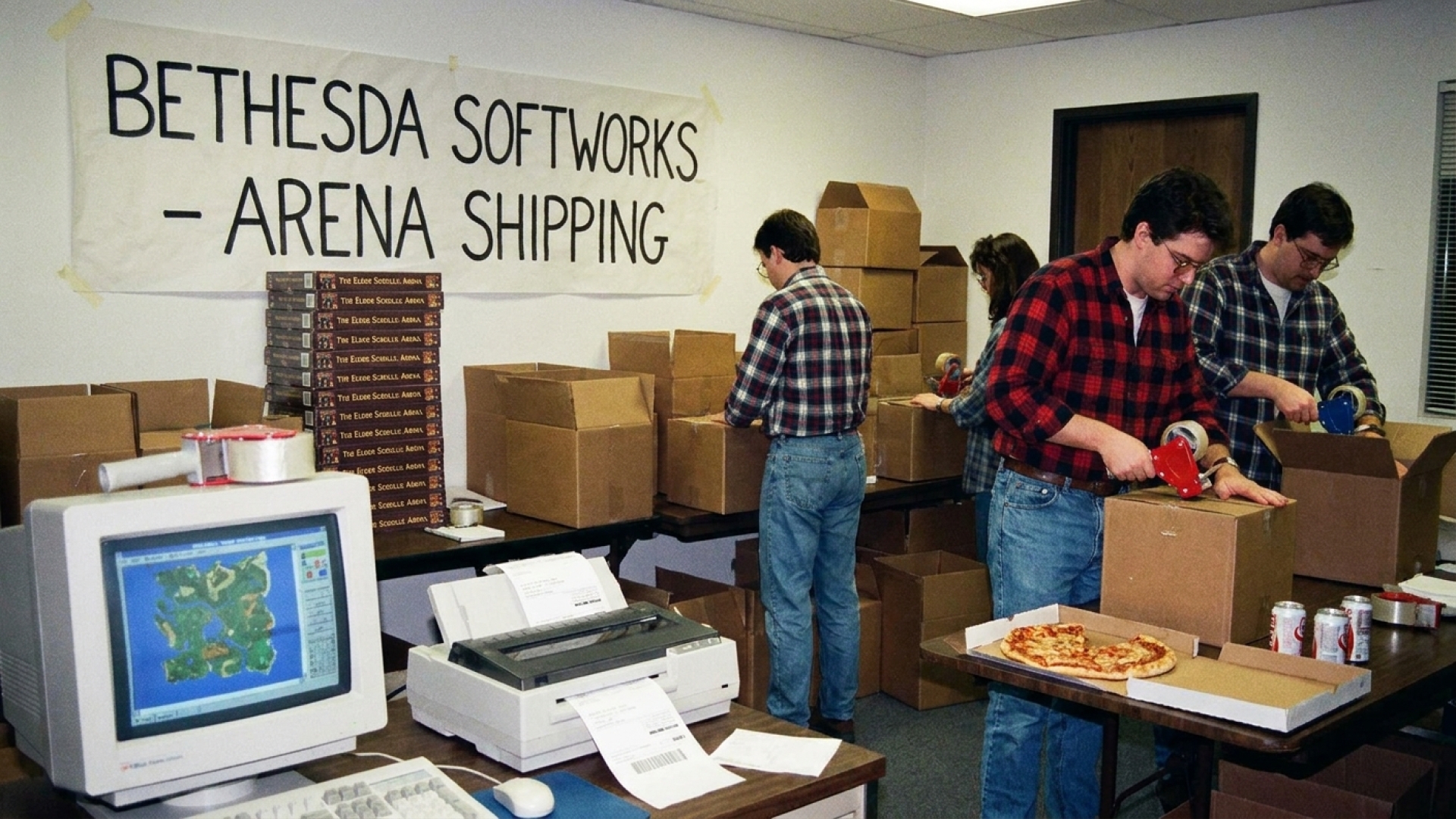
In 1994, the gaming landscape changed forever with the launch of The Elder Scrolls: Arena. At Digital Tech Explorer, we often look back at the software milestones that defined the industry, and Bethesda’s first foray into Tamriel is a masterclass in evolving digital innovation. Long before they became the industry titan we know today, Bethesda was a scrappy, intimate operation where the line between software engineer and shipping clerk was non-existent.
From Tournament Fighter to Epic RPG
As TechTalesLeo, I find the narrative of Arena’s development as compelling as the game itself. Initially conceived as a localized action game centered around arena combat, the project underwent a radical transformation. Vijay Lakshman, the lead designer, often reflects on the intense dedication of the small team. In an era where gaming technology was rapidly advancing, the Bethesda team worked in a fluid environment where roles were constantly shifting to meet the project’s growing ambitions.
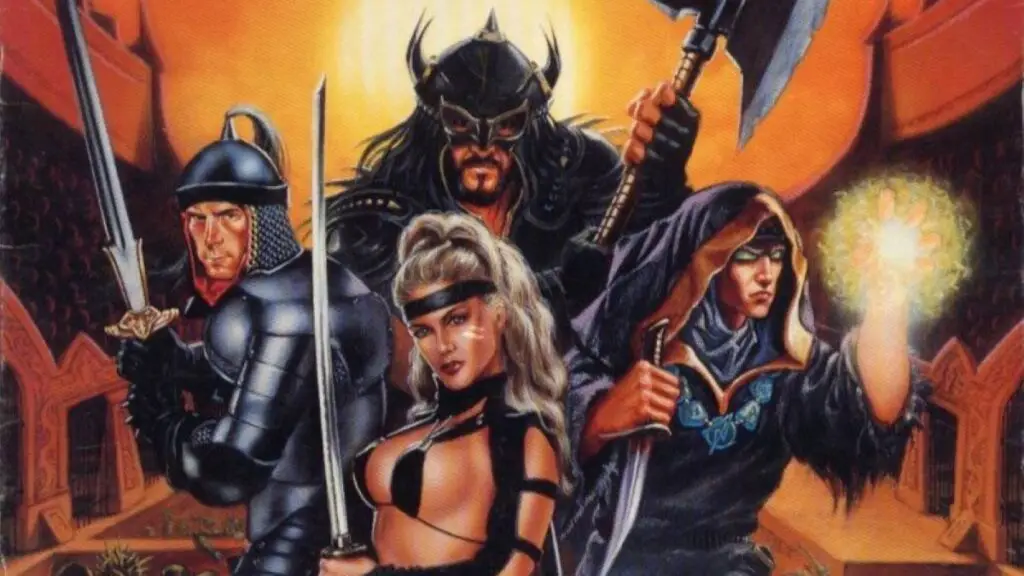
Designer Ted Peterson noted that the original tournament concept eventually took a backseat to deep quests and expansive dungeon-delving. This pivot fundamentally reshaped the title into the massive RPG framework that would define the series. This evolutionary process didn’t just create a game; it established the blueprint for open-world exploration that remains a staple of PC games today.
The Hands-On Era of Software Distribution
Modern developers deal with digital storefronts and instant downloads, but the mid-90s required a more tactile approach. Bethesda acted as both the developer and the publisher, handling every aspect of the physical product. Lakshman recalls the team spending nights on the loading dock, using heat guns to shrink-wrap boxes and assembling inserts by hand. It was a literal “concept to box wrap” journey that highlighted the grit required in the early days of digital media.
A Challenging Launch and Unexpected Triumph
The transition from a simple fighter to a complex RPG wasn’t without its technical and financial hurdles. Delays caused Arena to miss the critical 1993 holiday window, pushing its release into the quiet month of March 1994. Furthermore, distributors who were expecting a tournament fighter were confused by the sprawling fantasy epic they received. This confusion led to a dismal initial shipment of only 3,000 units.
However, quality eventually won out over marketing hurdles. Through organic word-of-mouth and a growing “cult” following, The Elder Scrolls: Arena found its audience. By the time the sequel, Daggerfall, was ready for release in 1996, Arena had moved over 120,000 copies—a massive success for an indie-style production of that era.
| Metric | Launch Status (1994) | Post-Release Growth (1996) |
|---|---|---|
| Units Shipped | 3,000 Units | 120,000+ Copies |
| Distribution | Hand-packaged at Bethesda | Major Retail Success |
| Genre Focus | Arena Combat (Planned) | Open-World RPG (Final) |
The Enduring Legacy of the Franchise

The success of Arena didn’t just save Bethesda from potential collapse; it laid the foundation for decades of digital innovation. Lakshman remains awed by how the series has evolved from those humble beginnings into a franchise known for its intricate storylines and cutting-edge technology. At Digital Tech Explorer, we celebrate these stories of perseverance and technical evolution, reminding us that even the most massive digital worlds began with a small team and a heat gun.
For more deep dives into software history and the latest in digital innovation, follow the stories from TechTalesLeo on our author page.