

Unless you’ve been closely following the hardware market over the past year, the staggering cost of computer hardware might come as a shock. Specifically, memory sticks and SSDs have become painfully expensive, with some components seeing a fourfold price increase in less than six months. With the AI market showing no signs of slowing its rampant consumption of DRAM and storage, many enthusiasts expected a weekly trend of rising costs. However, recent reports suggest we might be entering a moment of respite—or at least a plateau.
The Current State of Memory and Storage Prices
An analysis by 3DCenter provides a detailed look at memory and storage prices, covering everything from DDR4 and DDR5 to mobile DIMMs and internal SSDs. The data reveals a complex landscape: while DDR5 prices are significantly higher than they were in mid-2025, the rate of increase has stalled for the first time in months. The following table summarizes the recent market shifts observed by analysts:
| Component Type | Price Shift (July 2025 to Present) | Recent Monthly Change (Jan – Feb) |
|---|---|---|
| DDR5 Desktop RAM | +400% Increase | 0% (Stable) |
| DDR4 Desktop RAM | Moderate Increase | +4% (Slight Rise) |
| Laptop SO-DIMMs | Significant Increase | Continuing to Climb |
| Internal SSDs | High Volatility | Plateauing |
While DDR4 didn’t see the same total stagnation as DDR5, its 4% rise between January and February is negligible compared to the 30% quarterly spikes we saw previously. 3DCenter suggests the initial price surges were a “classic demand shock.” Whether prices will eventually drop or simply remain at these historic highs is still a subject of debate among industry experts.
At Digital Tech Explorer, we believe in looking at the long-term data. Micron was already issuing warnings about a supply crisis as early as 2024. Tech companies specializing in 2024 releases were likely prepared for these shortages, but the sheer scale of the AI-driven demand has stretched the industry to its limits. This current plateau may represent the market’s maximum tolerance for pricing before supply finally catches up to essential demand.
A Temporary Reprieve?
A report from IT Home recently highlighted a minor ‘crash’ in DDR4 prices—a dip of roughly 10% to 20% from the 2025 peak. This correction is attributed to a cooling of speculative sentiment in the market. While any price drop is welcome news, it is worth considering if this is truly a recovery or merely the “eye of the storm.”
The Persistent Influence of AI on Memory Demand
The outlook remains cautious. Micron, a leading manufacturer of DRAM, has stated that memory shortages will persist beyond 2026. More aggressive estimates from Phison’s leadership suggest that the AI-driven memory crisis could extend until 2030.
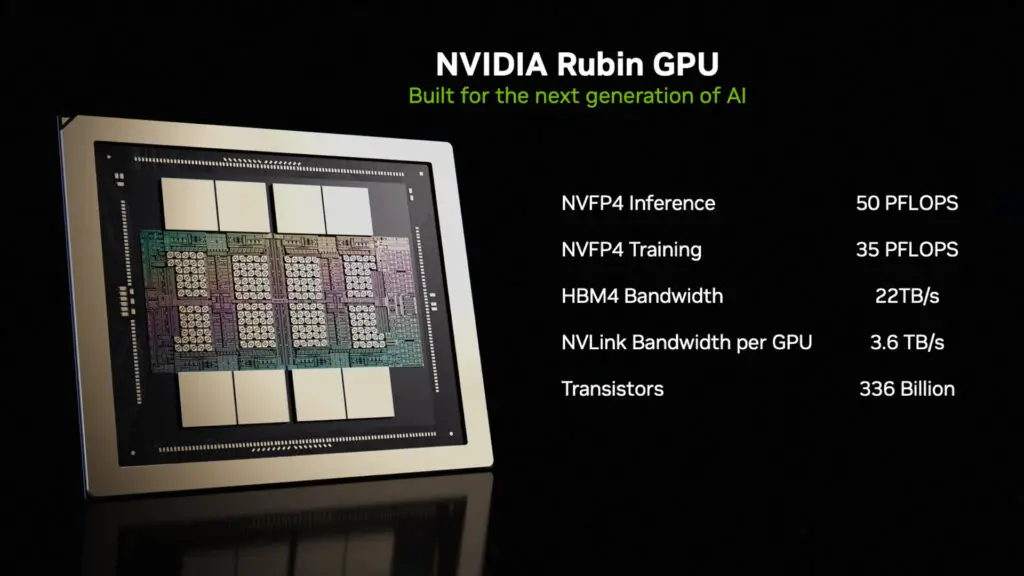
The core of the problem lies in the sheer scale of modern hardware. Advanced AI processors, such as Nvidia’s Vera-Rubin ‘superchip,’ utilize an incredible 576 GB of HBM4 memory. When you consider that a full NV72 rack houses 20.7 TB of memory and data centers deploy thousands of these units, the consumption levels are astronomical. This creates a ripple effect that impacts the GPU and general consumer hardware markets simultaneously.
The same trend applies to NAND flash memory used in SSDs. As AI workloads expand, so does the need for high-speed, high-capacity storage. With billions of dollars being funneled into AI infrastructure, manufacturers are prioritizing high-margin enterprise chips over consumer-grade RAM and storage.
While it is encouraging to see prices plateau or slightly retract, the “RAMpocalypse” is far from over. At Digital Tech Explorer, we recommend that developers and tech enthusiasts stay informed on these trends to make the most cost-effective decisions for their builds. The current stability is a welcome break, but the long-term forecast suggests that high prices for memory and storage are the new normal for the foreseeable future.