
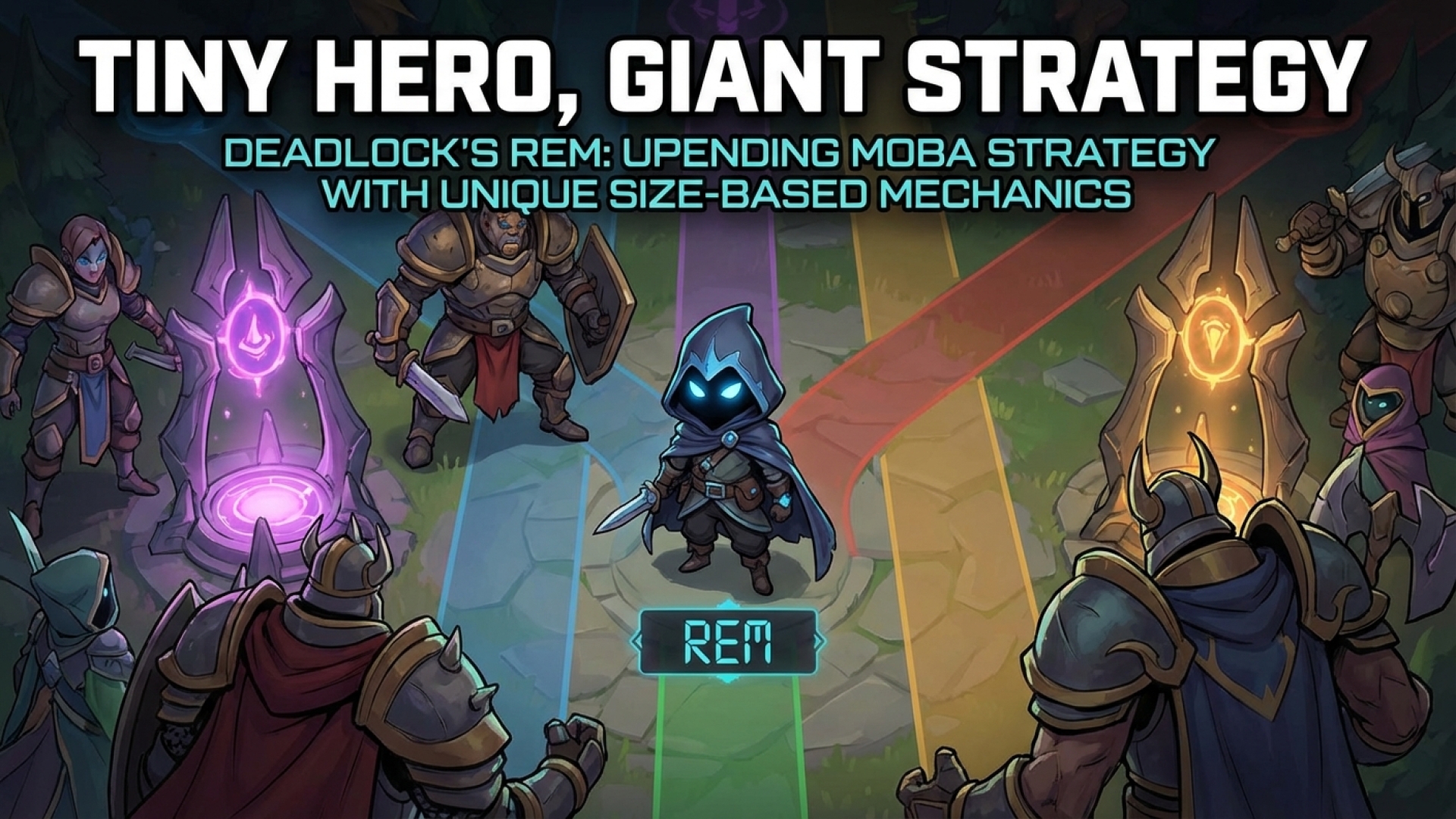
At Digital Tech Explorer, we are always on the lookout for innovations that bridge the gap between complex software design and intuitive gameplay. Valve’s latest addition to Deadlock, a support character named Rem, is a masterclass in how physical scale can redefine a genre. This sleepy owl-goblin hybrid is the “littlest guy” on the roster, barely reaching the waist of the tanky Abrams. Yet, despite his diminutive stature, Rem stands tall as one of the most fascinating heroes in the current meta, proving that in 3D gaming, size truly does matter.
Sliding through the battlefield on a pillow at high speeds, Rem is an absolute nightmare to track. While his oversized head makes for a generous critical hit zone, his kit provides unparalleled mobility. Beyond the standard suite of slides and air dashes, his Tag Along ability allows him to latch onto allies and bounce between them like a pinball. When you factor in his throwable pillow—which displaces enemies on contact—Rem becomes a slippery target that forces opponents to rethink their aim and positioning entirely.
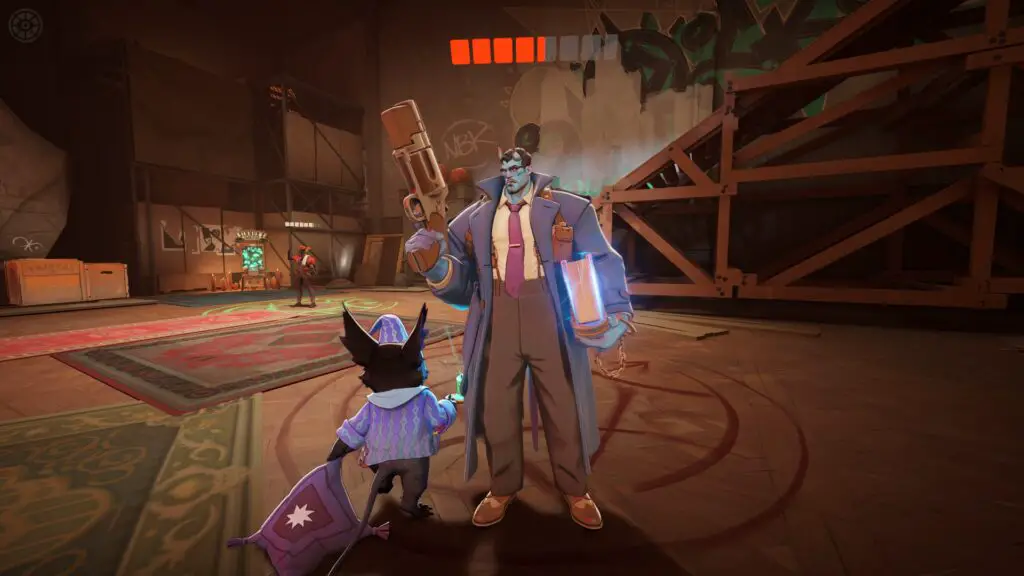
This dynamic, where a character’s physical dimensions impact their power level, is a rarity in the MOBA landscape. Unlike traditional titles that rely on RTS-inspired cameras, Deadlock embraces a third-person shooter perspective. In games like League of Legends or Smite, attacks are often manually aimed, but they rarely require the surgical precision found here. In PC games where every shot is a projectile, Rem’s small frame is a built-in defensive layer.
| Feature | Deadlock (Rem) | Traditional MOBAs |
|---|---|---|
| Camera Perspective | Over-the-shoulder 3D | Top-down / Isometric |
| Hitbox Impact | High (Size affects cover/visibility) | Low (Standardized clicking areas) |
| Environmental Interaction | Size-restricted tunnels and paths | Universal pathing (Bushes/Fog) |
| Aiming Logic | Projective-based precision | Tab-target / Skillshot indicators |
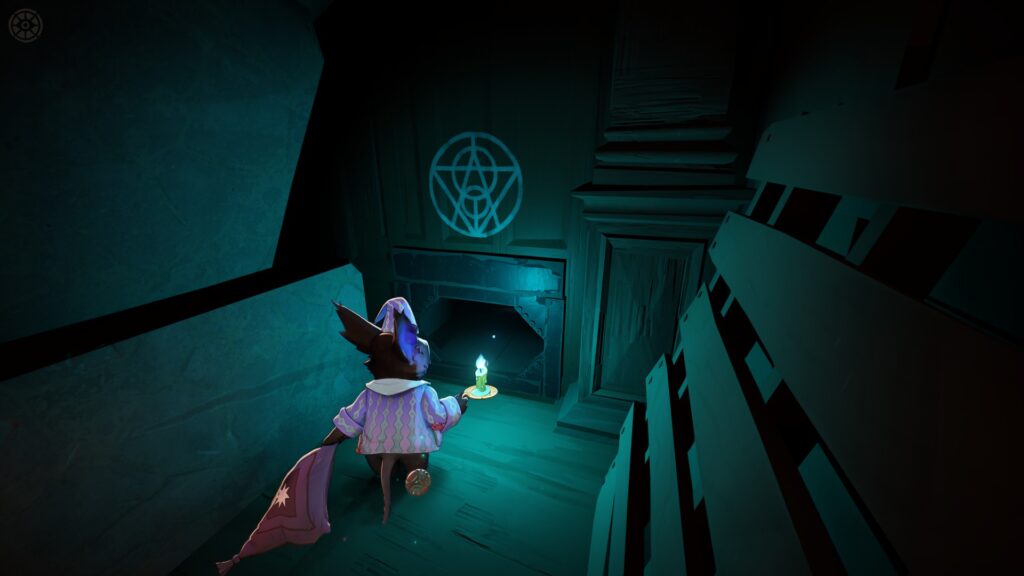
The latest map updates further highlight Rem’s utility. A network of tunnels now weaves through the environment, and Rem is the only character small enough to navigate them without burning an ability or specific item. While the character Calico can enter these spaces in cat form, she is rendered vulnerable, unable to attack or dash. Other heroes like Drifter or Paradox might squeeze in through specific interactions, but they lack the freedom Rem enjoys within these cramped corridors.
These tunnels aren’t just for show; they are strategic arteries. Rem can use them to bypass frontlines, buffing lane creeps with his Lil Helpers and stealing souls from the enemy’s side of the map. He can even utilize a specific tunnel to slide directly toward the midboss, allowing for a subtle objective steal that larger heroes simply couldn’t pull off. His height also offers incidental stealth; by standing behind low cover that would leave others exposed, Rem can hide his health bar entirely, effectively disappearing from enemy sightlines.
A New Dimension of Skill Expression
What makes Deadlock so compelling to the team here at Digital Tech Explorer is how the camera angle dictates strategy. Ganking isn’t just about stepping out of a bush; it’s about descending from a rooftop or emerging from a subterranean pipe. The labyrinthine map allows for incredible feats of skill—such as Grey Talon threading his explosive owl ultimate through the same tiny tunnels Rem calls home.
While hero shooters like Overwatch have experimented with this (think Tracer vs. Reinhardt), MOBAs have historically kept hitboxes relatively uniform for balance. Even when a character like Dota’s Undying grows to a massive size, his fundamental hitbox remains predictable. Deadlock discards this safety net, requiring players to account for the physical geometry of their hero at all times.
By leveraging these shooter elements, Valve is pushing the boundaries of what a MOBA can be. Rem is more than just a support character; he is a testament to how digital innovation in map design and character physics can create entirely new layers of gameplay. As the meta evolves, we expect Rem’s “little guy” energy to have a massive impact on how professionals approach map control and stealth.
For more deep dives into the latest 2024 releases and technical breakdowns of your favorite games, stay tuned to Digital Tech Explorer. Explore more of our stories and analysis by visiting TechTalesLeo’s author page.