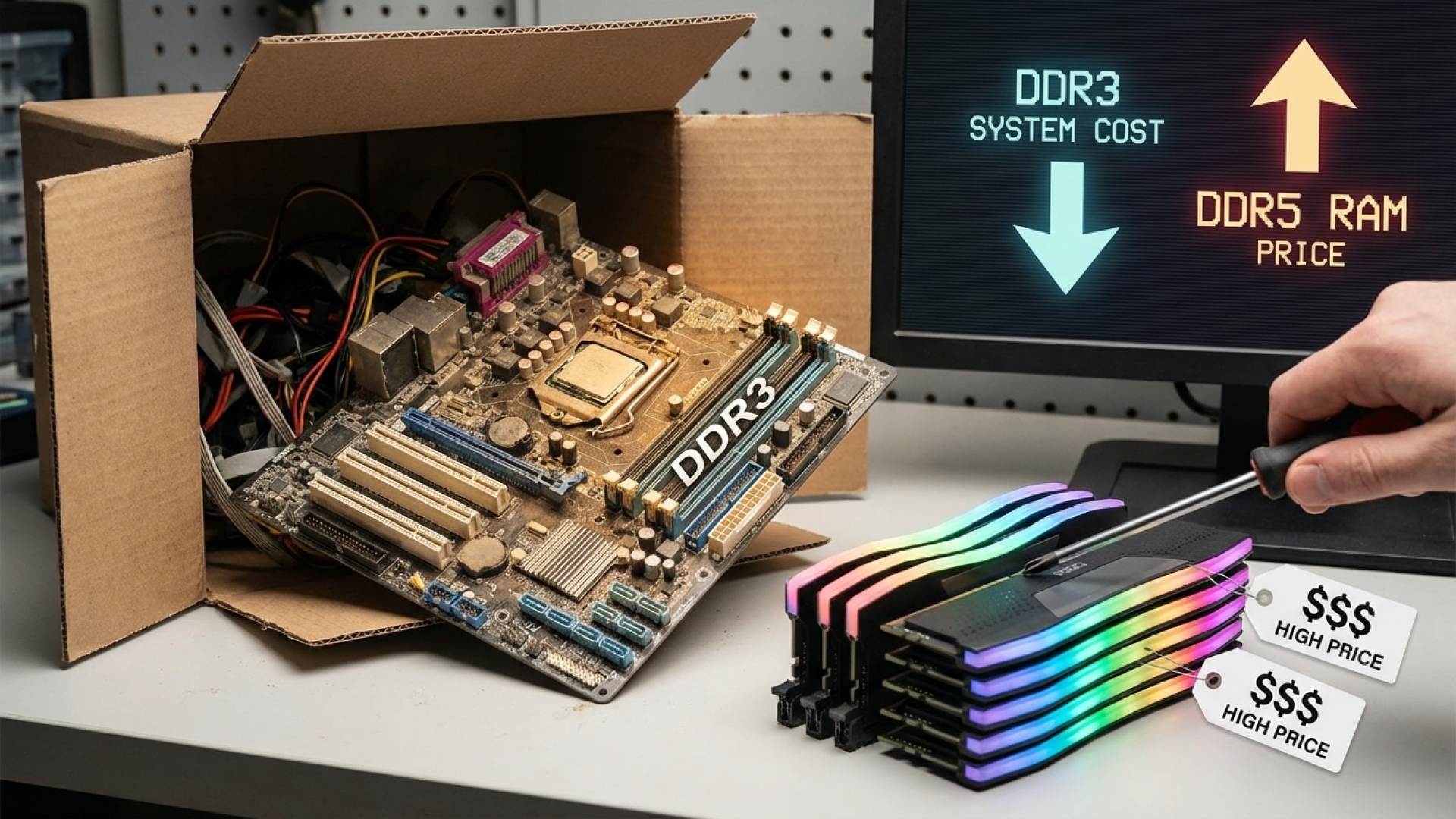
In the fast-paced world of digital innovation, we often find ourselves chasing the latest high-performance hardware. However, at Digital Tech Explorer, we understand that technology isn’t just about the newest “shiny” object—it’s about finding practical solutions for real-world problems. Currently, many global businesses are facing a unique dilemma: their reliable, legacy systems are failing just as the global memory market hits a crisis point. With skyrocketing RAM prices, we are seeing an unexpected trend as hardware manufacturers turn back the clock to 2013 to keep essential infrastructure running.
The Return of DDR3 Motherboards
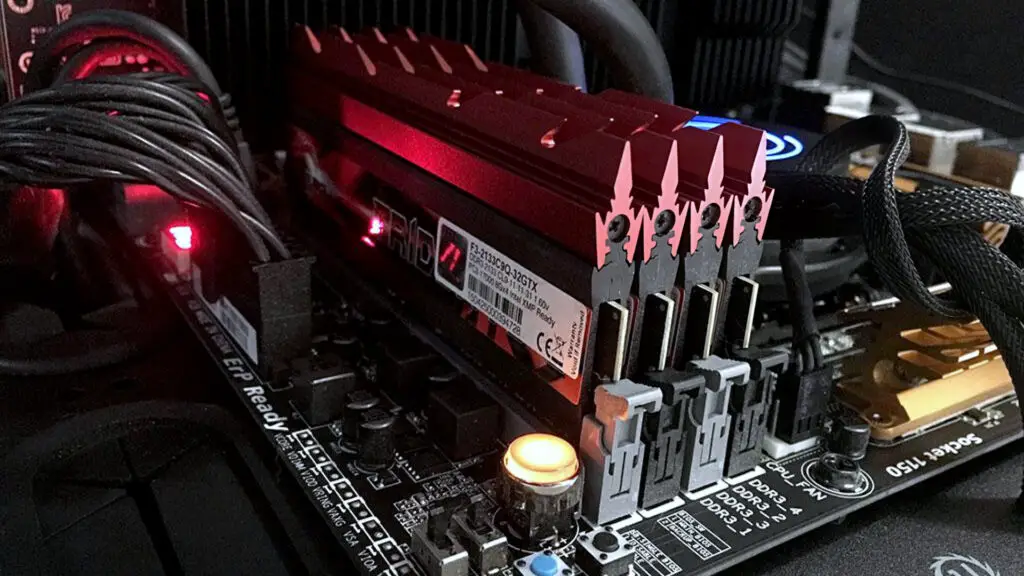
A close-up look at legacy DDR3-SDRAM DIMMS installed in a modern-production motherboard.
According to industry reports from Videocardz, there is a critical shortage of DDR3 motherboards in the enterprise and industrial markets. To fill this void, Chinese hardware giant Colorful is reportedly reintroducing new motherboards designed for old-school memory. While our team at Digital Tech Explorer usually covers the shift to DDR5 and beyond, the current “RAMpocalypse” has made maintaining older DDR4 or DDR5 systems prohibitively expensive for simple inventory or machinery management.
Cost-Effectiveness in a Volatile Market
The primary catalyst for this retro-revival is purely economic. As memory manufacturers pivot toward high-margin components, the price gap between generations has widened significantly. For businesses looking to maintain operational continuity without breaking the bank, the choice is clear.
Memory Type
Standard Kit Size
Estimated Market Price (USD)
DDR3 RAM
16 GB
~$42.00
DDR4 RAM
16 GB
~$114.00
DDR5 RAM
16 GB
~$220.00
Comparison of average memory kit prices during the current market shortage.
As shown in the data above, a 16 GB DDR3 kit remains a bargain at roughly $42, while moving to modern standards can quadruple that cost. This price disparity makes the repair of existing systems far more viable than a full-scale hardware migration.
Understanding Platform Limitations
At Digital Tech Explorer, we want to ensure you understand the trade-offs of using decade-old tech. If you are considering these new Colorful boards, remember the processor limitations. On the AMD side, the FX-8370 (released in 2014) marks the end of the DDR3 era. Intel users are looking at the Core i7 4790K or the rare Core i7 5775C.
While these chips were once the gold standard for enthusiasts, they are easily outperformed by entry-level AMD AM4 chips today. However, these new Colorful motherboards aren’t built for 8K gaming or heavy 3d-gaming. They utilize Intel’s H81 chipset, which is specifically engineered for commercial and embedded applications where stability and longevity are more important than raw clock speeds.
The “RAMpocalypse” and AI’s Impact
Why is this happening now? The current instability is fueled by the massive surge in Artificial Intelligence (AI). DRAM manufacturers are prioritizing the high-bandwidth memory required for AI acceleration and machine learning hardware, where the profit margins are astronomical.
This shift has left the consumer and industrial sectors struggling with supply shortages and inflated costs. For the seasoned tech professional, the re-release of DDR3 hardware is a fascinating case study in how market forces can force the industry to look backward to move forward. As we continue to track these trends, TechTalesLeo and the Digital Tech Explorer team remain committed to helping you navigate these complex hardware cycles.
Disclaimer: All content on Digital Tech Explorer is for informational and entertainment purposes only. Some links in this article are affiliate links, and we may earn a commission at no additional cost to you.