
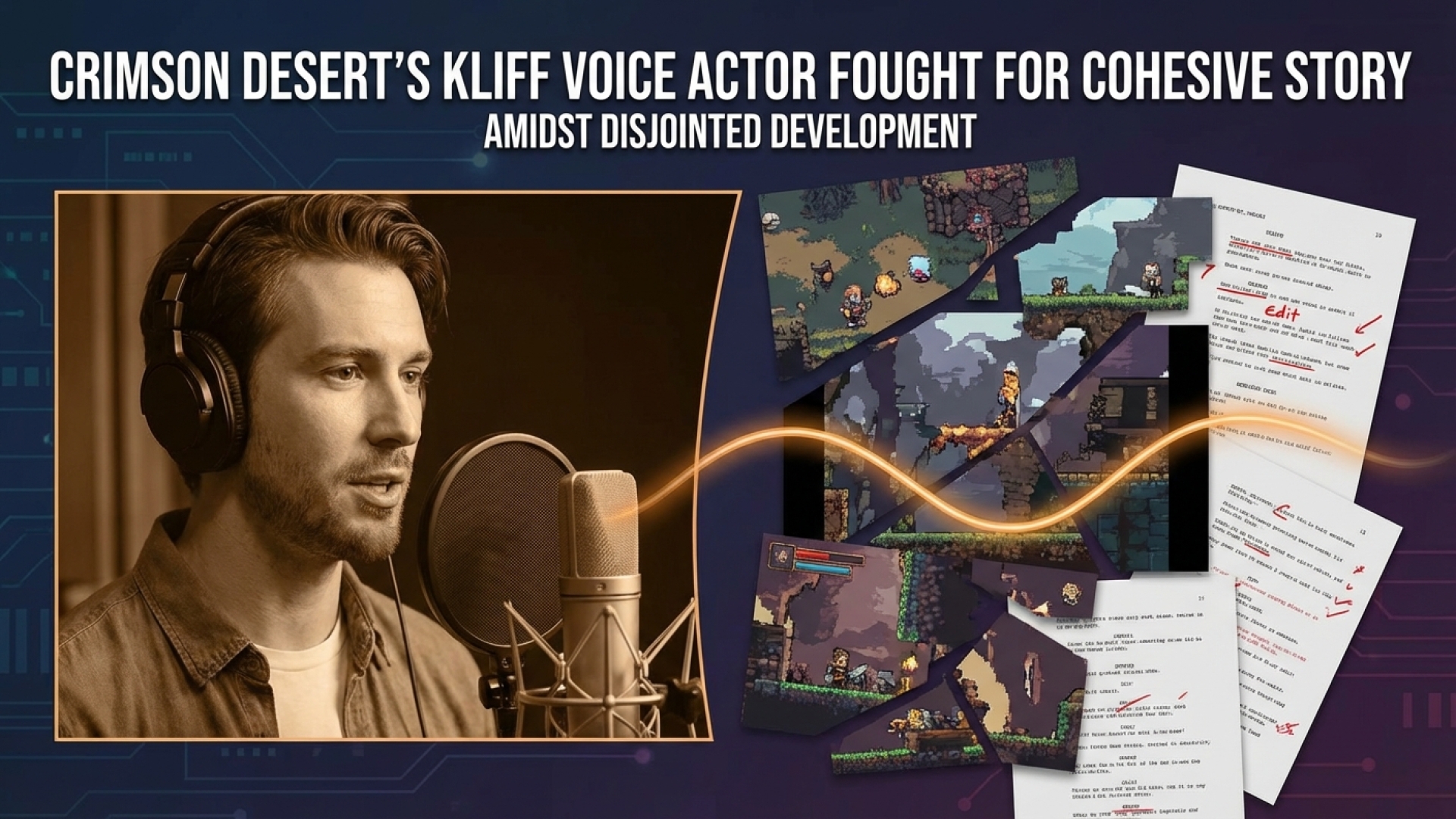
While players are currently venturing through the visually striking world of gaming epic Crimson Desert, a consistent theme has emerged in the community’s feedback: the narrative feels a bit like a puzzle with missing pieces. At Digital Tech Explorer, we specialize in bridging the gap between complex tech development and the final user experience. It turns out that the disjointed storytelling many are experiencing was a hurdle even for the creators. Alec Newman, the voice behind the protagonist Kliff, recently shed light on a development cycle that lasted half a decade.
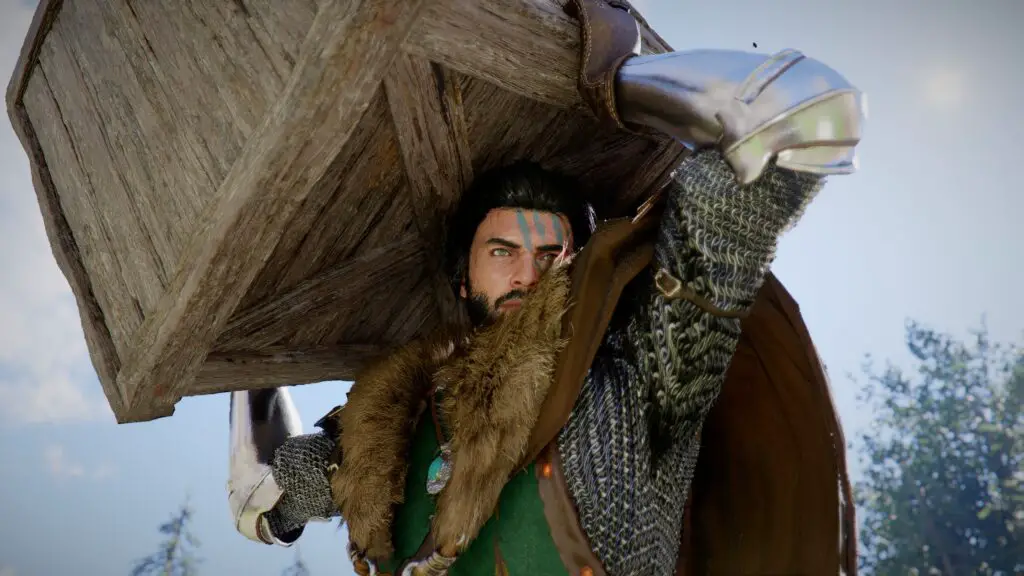
A Five-Year Journey: From Demo to Full-Scale Production
As a storyteller who loves uncovering the “why” behind digital innovation, I found Newman’s interview on the Skill Up podcast particularly revealing. Newman shared that he had been recording lines for Kliff on and off for five years. Remarkably, for the first eighteen months, he believed he was simply working on a demo. It wasn’t until nearly two years into the process that the development team informed him they were beginning the recording process “in earnest.”
This extended timeline often leads to shifts in creative direction. In the world of PC games, long development cycles can sometimes result in “feature creep” or narrative shifts that are hard to reconcile in the final cut. Newman described the project as “interesting,” noting that his early sessions involved navigating cards of different factions and regions without a clear understanding of the central plot. He frequently found himself asking the developers, “Yes, but what is actually happening?”
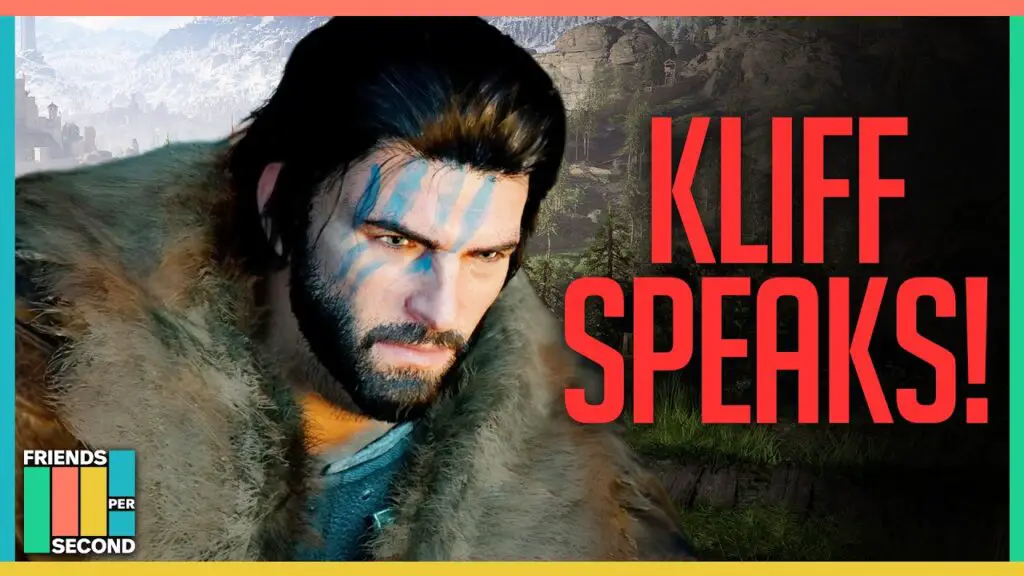
Advocating for Character Depth in Pywel
Newman wasn’t just a voice; he became an advocate for the character. Throughout the recording process, he pushed for more cohesive motivations for Kliff. He expressed that portraying a character for over 150 hours of gameplay is nearly impossible if that character “doesn’t give anything away.”
A turning point occurred roughly halfway through his five-year tenure when the developers focused on the “Greymanes” storyline. This narrative arc was intended to ground the story in themes of family and camaraderie. Newman noted that while he pushed for monologues and scenes that showcased Kliff’s care for his companions, those moments were often fewer than he had hoped for. This creative friction highlights the challenges of balancing vast open-world mechanics with intimate storytelling.
Narrative Challenges: Development vs. Player Experience
The “pockets of amnesia” described by some critics in the final release seem to be a direct reflection of these development hurdles. When a story is built in fragments over half a decade, maintaining a clear timeline becomes a monumental task. Below is a summary of how the development process impacted the final narrative flow:
| Development Hurdle | Impact on Final Gameplay |
|---|---|
| 5-Year Fragmented Recording | Disjointed narrative pacing and timeline confusion. |
| Late-Stage Narrative Shifts | Sudden focus on new themes (like the Greymanes) late in the game. |
| Focus on Mechanics over Script | Deep, complex gameplay but vague character motivations. |
Despite these narrative hiccups, Crimson Desert remains a technical marvel in the RPG space. For those who are more focused on mastering the game’s intricate systems rather than its plot, there are plenty of resources available. From understanding Crimson Desert characters to mastering Abyss Artifacts, the depth of the mechanics often outweighs the confusion of the script.
Enhancing Your Experience in Pywel
If you find yourself lost in the story, you can still find fulfillment in the game’s expansive world. At Digital Tech Explorer, we recommend focusing on the elements that Crimson Desert excels at: its world-building and action. Whether you are looking for advice on how to respec your character, finding keys in hidden corners of the map, or utilizing fast travel to skip through the less coherent segments, the game offers a playground of digital innovation that is well worth the exploration.
As we continue to monitor the 2024 releases and beyond, stories like Alec Newman’s remind us that behind every pixel is a human struggle to bring a cohesive vision to life. For more deep dives into the stories behind your favorite tech and games, stay tuned to TechTalesLeo right here on Digital Tech Explorer.