
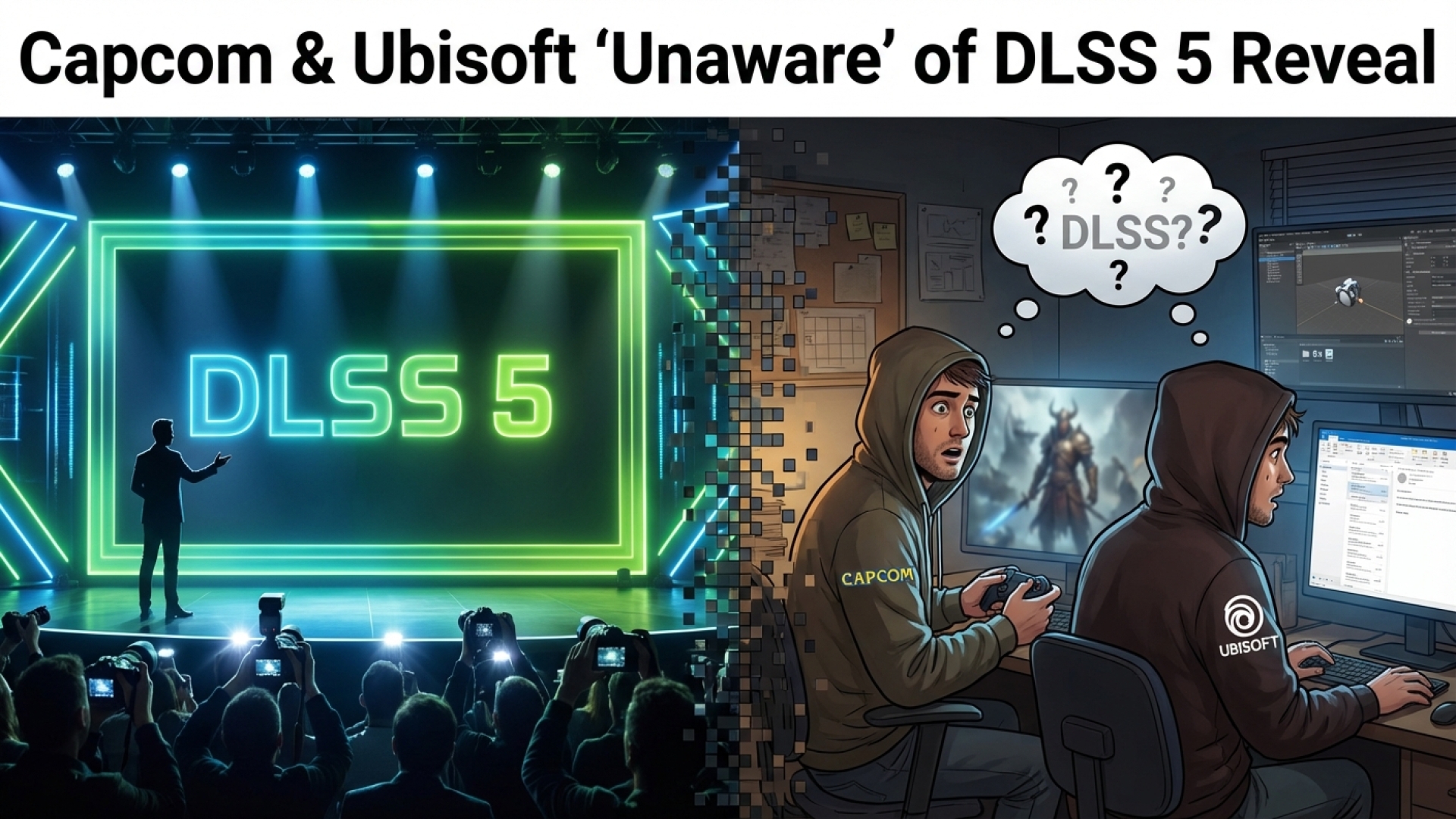
In the ever-evolving theater of digital innovation, few announcements have stirred as much debate as the recent unveiling of Nvidia DLSS 5. While tech giants and industry veterans like Bethesda’s Todd Howard and Capcom’s Jun Takeuchi have publicly embraced the new technology, a significant undercurrent of anxiety and resistance is pulsing through the game development community. Here at Digital Tech Explorer, we’re diving into the heart of this controversy, where the line between AI acceleration and artistic integrity is becoming increasingly blurred.
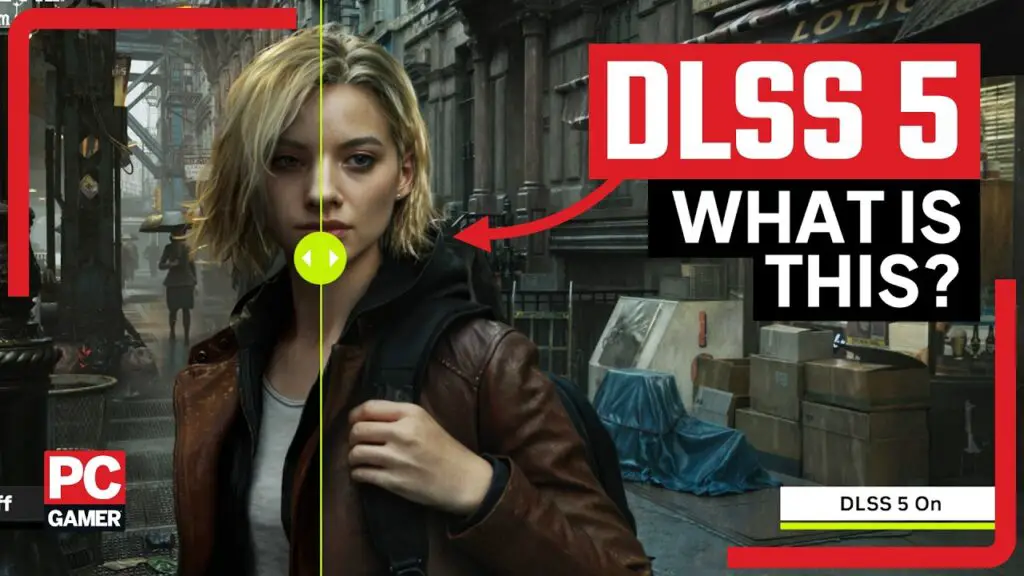
As a storyteller in the tech space, I’ve seen many “game-changing” tools come and go, but DLSS 5 feels different. It isn’t just about boosting frame rates anymore; it’s about how artificial intelligence interacts with the soul of a game—its art.
Ubisoft Developers “Blindsided” by the Reveal
The rollout of this hardware-driven software has been anything but smooth behind the scenes. Despite Assassin’s Creed Shadows being a cornerstone of the official showcase, internal reports suggest a massive communication gap at Ubisoft. A developer reportedly shared with Insider Gaming that the team “found out at the same time as the public.” This lack of transparency regarding major technological integrations raises questions about how much influence the actual creators have over the final visual output of their projects.
Capcom and the “AI Beauty Standard” Controversy
The reaction at Capcom was equally fraught. Known for its historically cautious stance on AI, the company’s inclusion in the reveal was a shock to many on its staff. The primary point of contention involves the character Grace Ashcroft from Resident Evil Requiem. Critics, including Tyler Wilde from PC Gamer, argue that the technology appears to “overwrite game characters with AI beauty standards.” This homogenization of artistic styles is a red flag for developers who pride themselves on unique, hand-crafted character designs that often intentionally deviate from traditional “photorealistic” perfection.
Artistic Control: A Corporate Illusion?
Nvidia CEO Jensen Huang has been vocal in defending the tech, asserting that GPU-accelerated AI does not strip away creative freedom. Bethesda supported this, claiming the tool will be “under our artists’ control and totally optional for players.” However, for many rank-and-file developers, the concern lies with corporate executives. There is a looming fear that the pressure to cut costs will lead to the prioritization of generative AI assets over the labor-intensive work of human artists.
| Company | Public Stance | Internal/Critic Sentiment |
|---|---|---|
| Bethesda | Supportive (Optional for players) | Cautiously optimistic about artist oversight. |
| Ubisoft | Featured Partner | Developers reportedly “blindsided” by the reveal. |
| Capcom | Featured Partner | Concerns over AI “overwriting” character designs. |
Looking Ahead: The Ethical Horizon
Scheduled for release later this year, DLSS 5 is expected to include granular settings for “AI generation strength,” allowing developers (and potentially players) to tune the intensity of the effect. While the goal is to enhance existing textures for a more photorealistic 4K resolution experience, the ethical shadows remain.
From the data used to train these models to the potential displacement of creative roles, the industry is at a crossroads. As we continue to track these 2024 releases, one thing is certain: the conversation around AI in gaming is just beginning. At Digital Tech Explorer, we believe that technology should empower creators, not replace the human touch that makes storytelling so impactful. For more insights into the intersection of coding and creativity, stay tuned to our latest deep dives.