
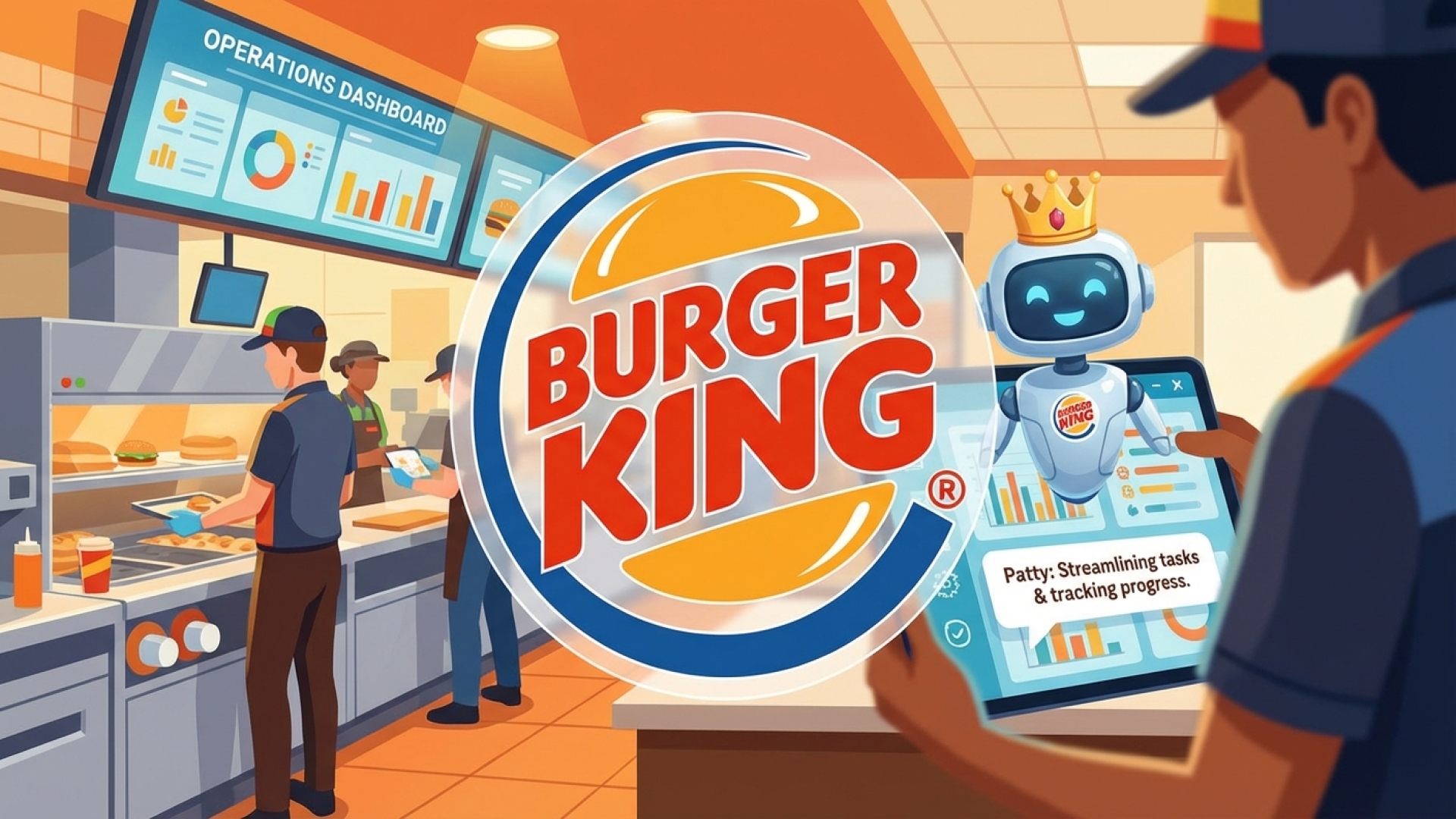
At Digital Tech Explorer, we’ve tracked AI as it conquered coding, revolutionized gaming, and transformed data science. Now, the frontier of machine learning is moving into the kitchen. Burger King is making a significant leap into digital innovation with its new AI chatbot, Patty. Powered by OpenAI, this system is designed to integrate directly into employee headsets across U.S. restaurants, with a massive rollout scheduled through 2026.

Patty: The AI Coach Behind the Counter
As a storyteller in the tech space, I find the transition from “assistant” to “coach” fascinating. Patty isn’t just a simple interface; it’s a sophisticated coaching tool designed to optimize branch performance. By assisting staff during meal preparation, it provides real-time reminders—ensuring that every burger has the precise number of bacon strips and that equipment cleaning protocols are strictly followed.
Beyond the technicalities of food assembly, this AI evaluates customer service etiquette. By recognizing positive social cues and phrases such as “welcome to Burger King” or “thank you,” the system provides managers with data-driven insights into employee interaction quality. It’s a blend of hardware integration and behavioral analytics that we rarely see in the retail sector.
An Integrated Ecosystem of Automation
The Patty chatbot is merely the tip of the iceberg. Under the hood, Burger King is deploying a comprehensive AI assistant platform. This system acts as the “brain” of the restaurant, constantly aggregating data on inventory, equipment health, and drive-thru conversations.
One of the most impressive features of this automation suite is its ability to handle out-of-stock scenarios. If a specific ingredient runs low, the system can autonomously update the digital menu boards and kiosks within 15 minutes. This level of synchronization ensures that the customer experience remains seamless, even when the supply chain hits a snag.
| Feature | Operational Impact |
|---|---|
| Real-Time Coaching | Increases order accuracy and maintains food safety standards. |
| Sentiment Analysis | Monitors employee friendliness and customer service quality. |
| Dynamic Menu Sync | Automatically updates kiosks when items go out of stock. |
| Inventory Tracking | Reduces waste and streamlines supply chain management. |
The Risky Bet: AI in Customer-Facing Drive-Thrus
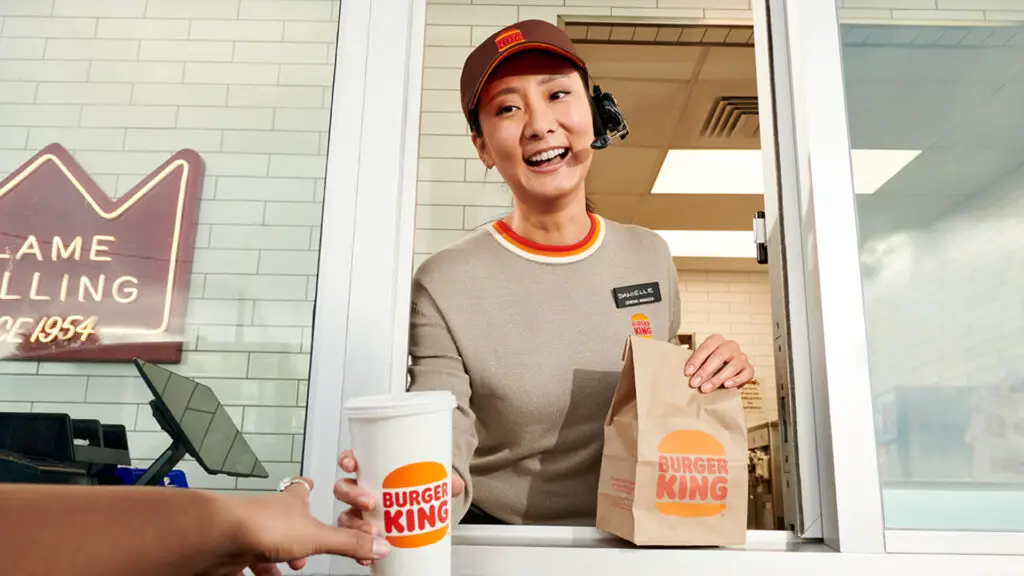
Despite the internal successes, Burger King is treading carefully when it comes to AI drive-thrus. Chief Digital Officer Thibault Roux describes the move as a “risky bet,” noting that not every customer is comfortable talking to a machine when they’re hungry.
The industry is still haunted by high-profile glitches, such as the widely discussed incident where an AI system at Taco Bell reportedly struggled with order logic, leading to massive errors. These hurdles in Natural Language Processing (NLP) demonstrate that while AI customer interaction offers massive scaling potential, the human element—and its capacity for nuance—is still incredibly difficult to replicate in high-pressure environments.
At Digital Tech Explorer, we believe the success of “Patty” will depend on how well it balances efficiency with the “human touch.” Stay tuned as we continue to monitor how these emerging digital trends reshape our everyday lives.