
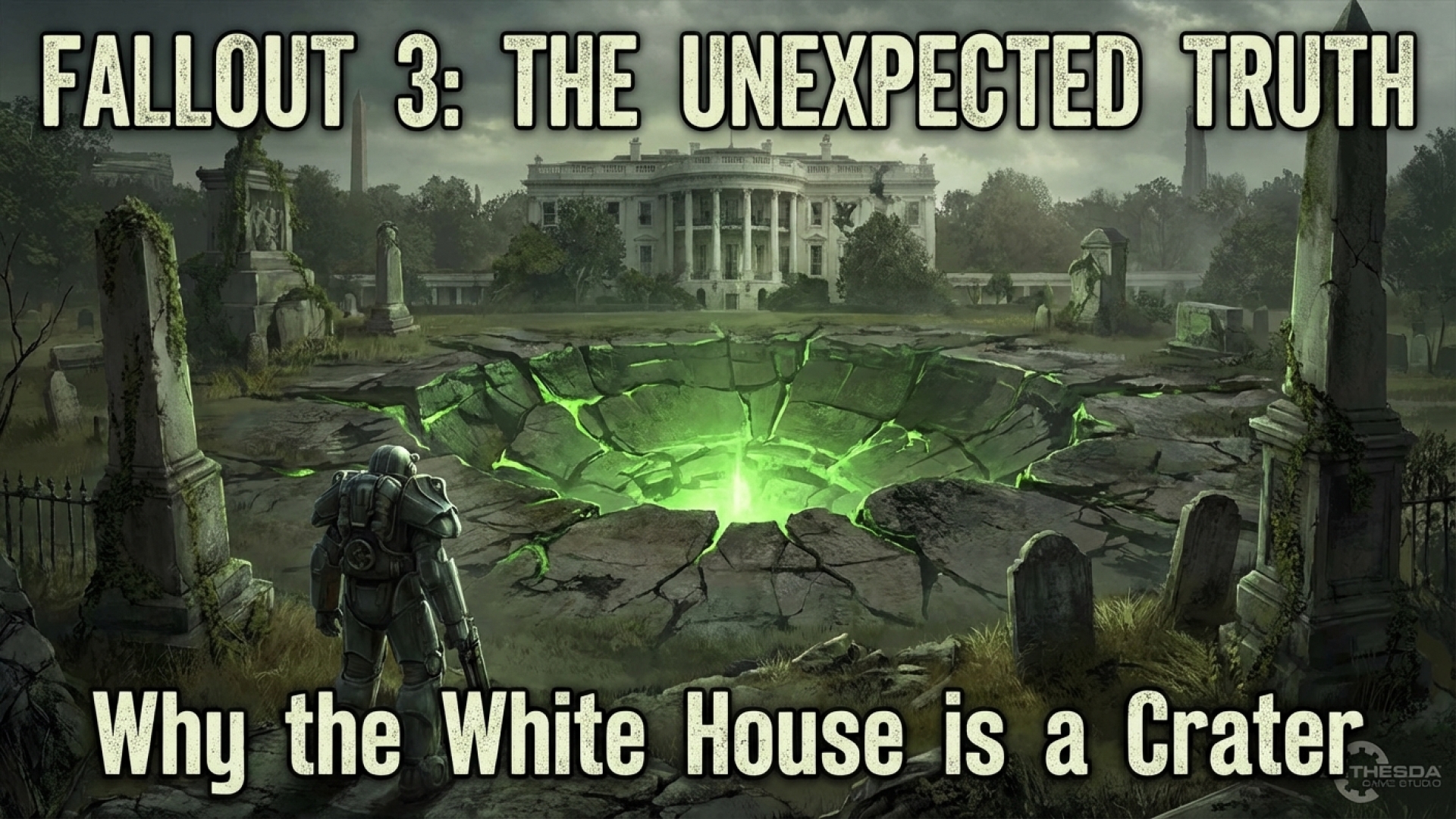
Recent interviews with the visionaries at Bethesda have unveiled fascinating new perspectives on the development of Fallout 3, specifically the creative and technical hurdles overcome when recreating an iconic Washington D.C. With more than fifteen years since the game redefined the post-apocalyptic RPG genre, the team is looking back at the architectural and gameplay decisions that turned a digital wasteland into a masterpiece of environmental storytelling.
Designing a Post-Apocalyptic Capital
For the developers at Bethesda, choosing Washington D.C. as the setting for the third installment was a personal endeavor. Many team members were local to the area, providing a layer of authenticity that generic cityscapes often lack. Lead artist Istvan Pely highlighted how this local knowledge allowed the team to weave in nuanced details that only residents would recognize, bridging the gap between reality and digital fiction.
However, the technical side of building a destroyed capital was a massive undertaking. While much of the world was built using modular assets—reusable digital “kits” for office buildings and suburbs—the city’s iconic landmarks demanded a bespoke approach. Assets like the Jefferson Memorial and the Capitol Building weren’t just standard models; they were unique pieces of digital art that required significant man-hours to craft from scratch, ensuring they stood out against the standard ruins of the wasteland.
The White House Crater: A Masterclass in Pragmatic Game Design
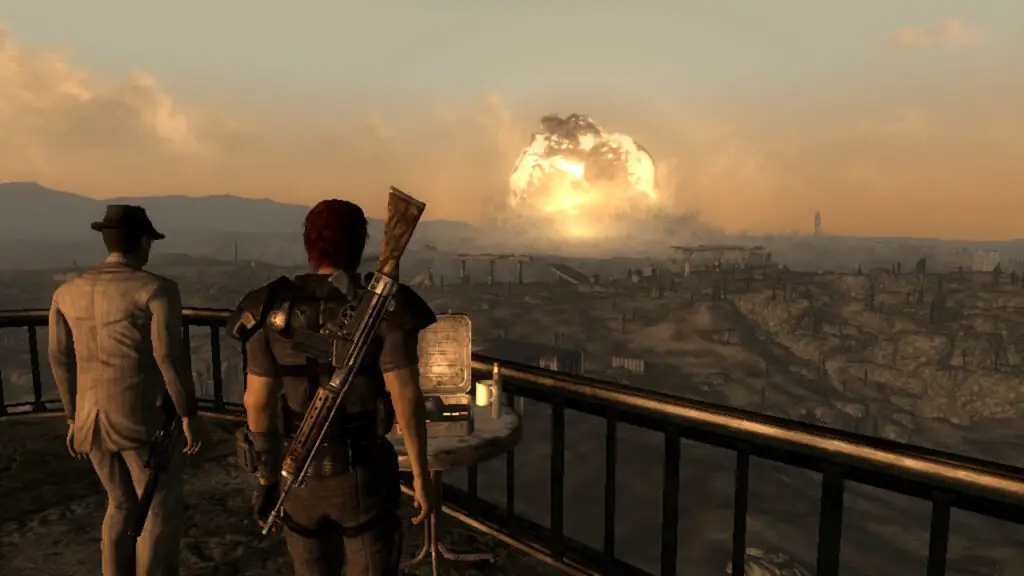
In one of the most surprising revelations for fans of gaming history, the fate of the White House was actually determined by development constraints rather than a script. While players interpreted the radioactive crater as a grim statement on the severity of the Great War, the reality was far more practical: there was simply no gameplay designed for that specific location.
Istvan Pely explained that because the level designers hadn’t requested the White House for a quest, the asset was never prioritized. When the team realized they couldn’t leave a gaping hole in the map where the U.S. executive seat should be, they pivoted. “Put a crater there. People will buy it,” Pely remarked. This “Indiana Jones” approach to problem-solving—choosing the most efficient path to resolve a complex issue—allowed the team to focus their energy on areas where the player would spend more time.
Development Summary: Fallout 3 Creative Decisions
| Feature/Issue | Development Insight | Origin/Reason |
|---|---|---|
| The White House | Rendered as a radioactive crater. | Pragmatic choice; no specific quests were set there. |
| VATS System | The iconic cinematic combat camera. | Inspired by “Crash Mode” in Burnout 2. |
| Iconic Landmarks | Bespoke assets vs. modular kits. | To ensure landmarks felt unique and recognizable. |
| Original Ending | The “Full Stop” conclusion. | Later changed via DLC due to intense player feedback. |
Bridging Reality and the Wasteland
The decision to destroy the White House actually ended up reinforcing the game’s overall world-building. Studio head Todd Howard has often spoken about the importance of setting a world in a reality that players can “reach and touch.” By taking familiar locations and twisting them through the lens of nuclear catastrophe, Bethesda created a sense of morbid discovery. Players weren’t just exploring a map; they were exploring a “what-if” version of their own history.
From Racing Games to RPG Mechanics
The tech behind Fallout 3 also drew inspiration from unexpected places. Todd Howard revealed that the VATS system—the tactical combat mechanic that allows players to target specific body parts—was inspired by the visual satisfaction of “Crash Mode” in Burnout 2. Just as Burnout rewarded players with slow-motion shots of car parts flying, Bethesda wanted to provide that same visceral feedback with “eyeballs and guts” in the wasteland.
At Digital Tech Explorer, we love these deep dives into how hardware limitations and creative pivots shape the games we love. These behind-the-scenes stories highlight the evolving challenges of digital innovation and the responsiveness required to maintain a beloved franchise. As Bethesda continues to look toward the future of the series, these lessons from Fallout 3 remain more relevant than ever for developers and fans alike.
For more insights into the intersection of technology and digital storytelling, stay tuned to Digital Tech Explorer.