
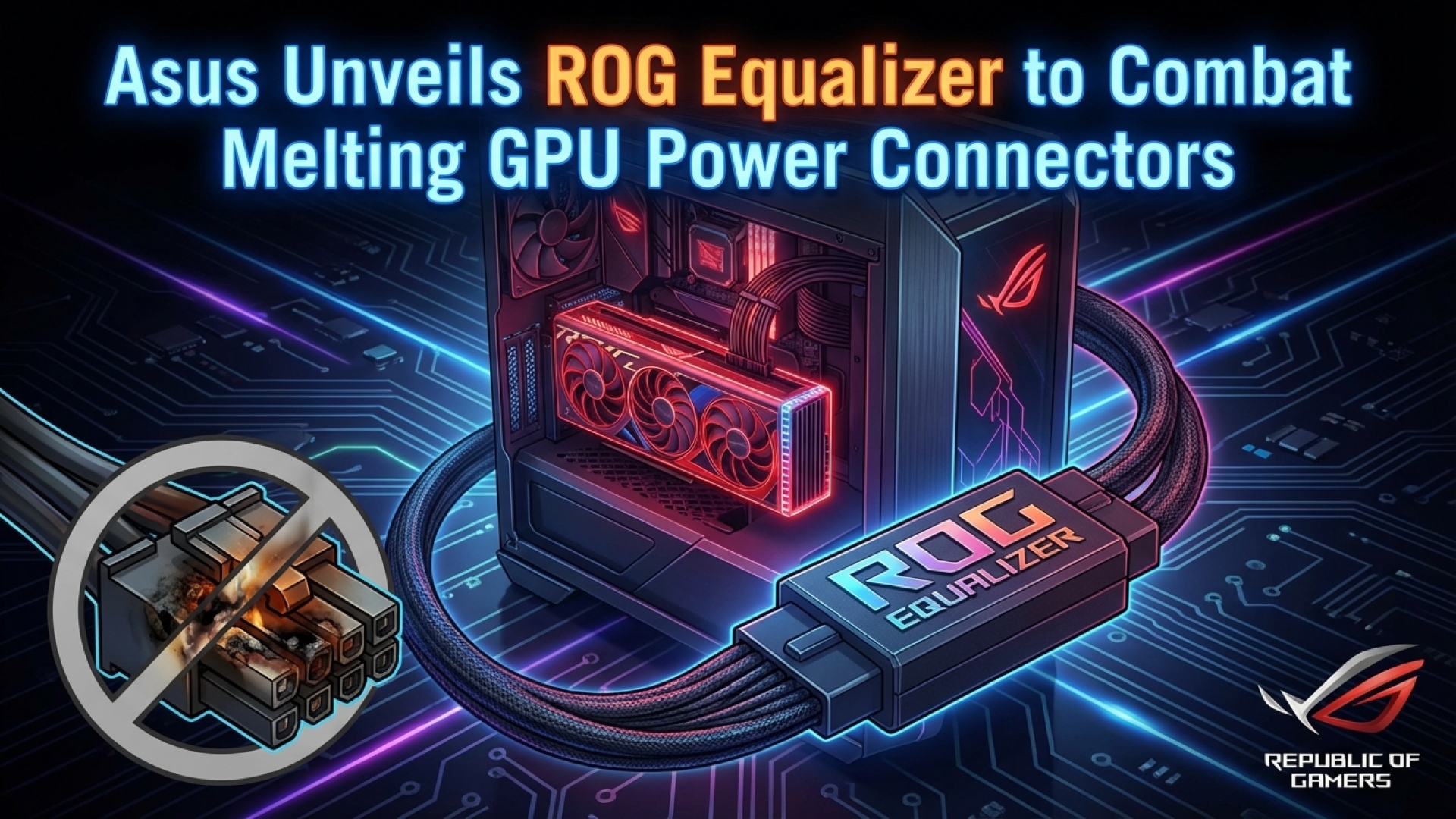
If you frequent the usual social media channels for PC enthusiasts, you’ve likely seen the recurring nightmare: images of high-end graphics cards with charred, melted power connectors. Despite various industry attempts to revise the 12VHPWR standard, the issue hasn’t been entirely extinguished. At Digital Tech Explorer, we’ve followed these hardware failures closely, and Asus thinks they finally have the definitive solution: the ROG Equalizer.
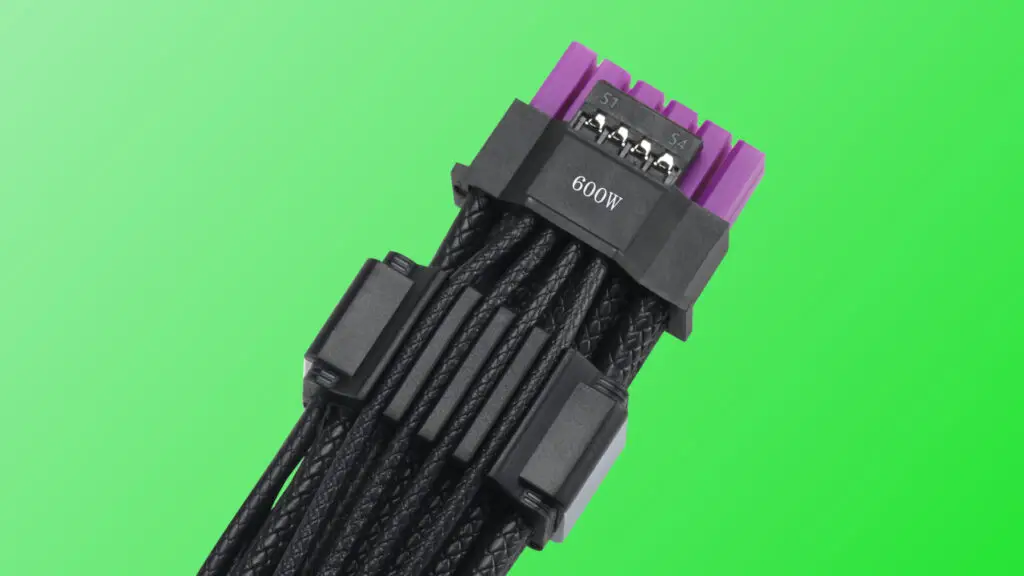
On the surface, the ROG Equalizer looks like any other premium 12VHPWR/12V-2×6 power cable, but the engineering beneath the sleeve is what sets it apart. Asus claims this new design ensures “balanced current delivery,” specifically engineered to prevent a single 12V pin from bearing the brunt of the load—a critical failure point for power-hungry gaming hardware like the upcoming RTX 50-series.
Robust Engineering for High-End Power Delivery
As a software engineer-led platform, we appreciate the math behind the ROG Equalizer. While the standard 12V-2×6 specification is rated for 9.2A, Asus has over-engineered this cable to handle up to 17A of current draw. This massive overhead provides a safety margin that should, in theory, make connector meltdowns a thing of the past for hardware enthusiasts.
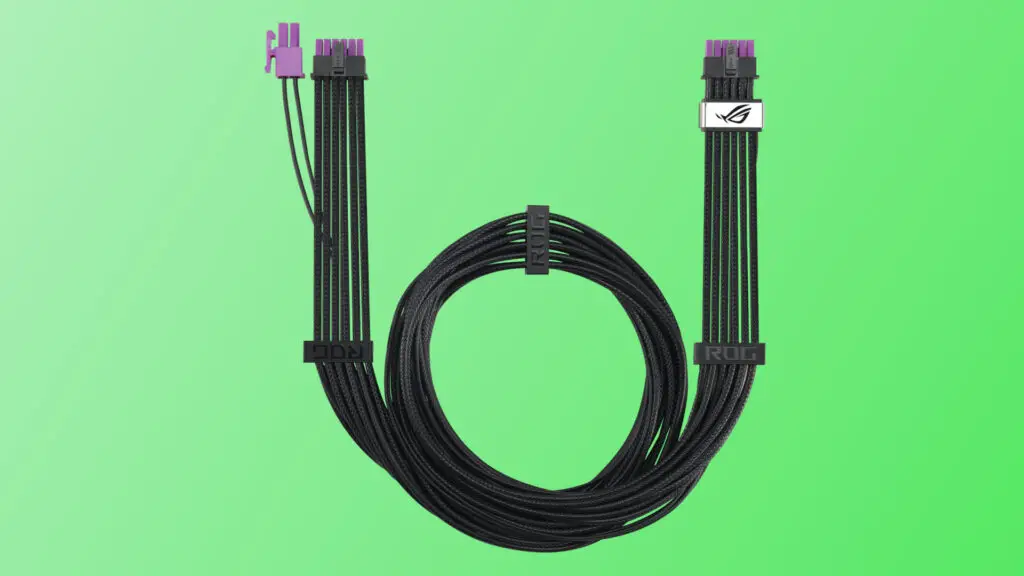
Furthermore, the cable features an integrated data line that connects to a dedicated socket on the new Asus ROG Thor III and ROG Strix Platinum power supplies. This hardware handshake allows for a level of communication between the PSU and the GPU that we haven’t seen in consumer-grade builds until now.
| Feature | Standard 12V-2×6 Cable | Asus ROG Equalizer |
|---|---|---|
| Current Rating | 9.2A | 17A |
| Current Balancing | Passive | Active (ROG Equalizer Mode) |
| Monitoring | None | Real-time via GPU Tweak III |
Software Integration: The “ROG Equalizer Mode”
TechTalesLeo always looks for the narrative in the data, and the real story here is the software integration. Asus is set to update its GPU Tweak III utility to include a dedicated “ROG Equalizer mode.” This isn’t just a marketing gimmick; it provides users with a real-time monitor of the current draw across each individual pin. For the professional builder or the overclocking enthusiast, this transparency allows for proactive monitoring of power delivery health before a catastrophic failure occurs.
Compatibility and Market Availability
While other manufacturers like MSI and ASRock have introduced color-coded connectors to ensure they are fully seated, Asus is the first to address the internal metallurgy and current distribution of the cable itself. It represents a significant step forward in 2024-2025 hardware trends.
Regarding availability, the ROG Equalizer will initially be bundled with the 2026 iterations of the ASUS ROG Thor III and ASUS ROG Strix Platinum power supplies. However, there is good news for those not ready to swap their entire PSU. Because the cable utilizes standard 12V-2×6 connectors at both ends, it remains compatible with ATX 3.1 power supplies from various manufacturers, though the advanced software monitoring features may require the Asus ecosystem.
As power demands for AI acceleration and high-end gaming continue to climb, the ROG Equalizer might just be the “peace of mind” accessory that becomes a standard requirement for premium PC builds. Stay tuned to Digital Tech Explorer as we get this cable into the lab for real-world stress testing.