
While the tech world has recently been buzzing with news regarding Intel’s Panther Lake and the looming Nova Lake processors, a cryptic message from a veteran industry leaker suggests that AMD is preparing a massive counterstrike. The next-generation Zen 6 architecture appears poised to redefine core density, promising a significant shift in the hardware landscape that both developers and enthusiasts need to track closely.
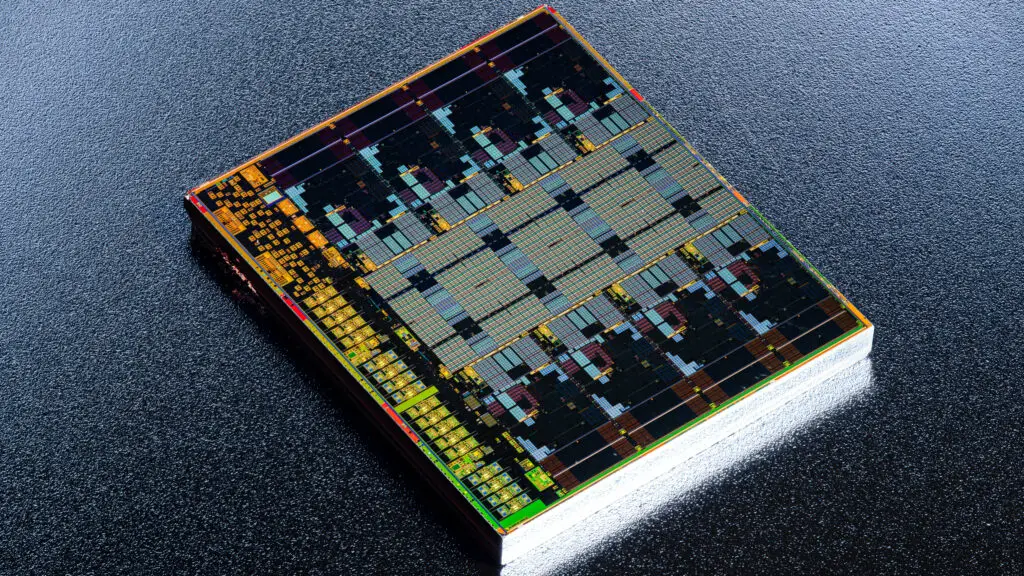
Decoding the Cryptic “Zen 6” Leak
At Digital Tech Explorer, we keep a close eye on industry insiders who have a history of moving the needle. The source of this latest insight is HXL (user @955pro on X), a leaker with a formidable track record for accurate CPU and GPU predictions. Their recent post was characteristically brief but packed with implications, consisting of two specific sequences: “6 8 10 12” and “8+8 10+10 12+12.”
In the context of AMD’s processor roadmap, these numbers are widely interpreted as the core configurations for the upcoming Zen 6 “Medusa” desktop Ryzen processors. If these figures hold true, we are looking at the most significant shake-up in Ryzen core counts since the introduction of the Zen 2 architecture.
The Shift to 12-Core CCDs
To understand why these numbers matter, we have to look at how AMD builds its chips. Historically, AMD has utilized a chiplet design consisting of one or two Core Complex Dies (CCDs) paired with an Input/Output Die (IOD). For several generations, the standard has been 8 cores per CCD.
The “6 8 10 12” sequence suggests that Zen 6 will move to a 12-core CCD design. This allows AMD to offer a broader range of single-CCD processors with higher native core counts. Under this new structure, a next-gen Ryzen 7 model could transition from an 8-core/16-thread part to a 12-core/24-thread powerhouse, significantly boosting multi-threaded performance for gaming and productivity alike.
High-End Evolution: Dual-CCD Ryzen 9 Configurations
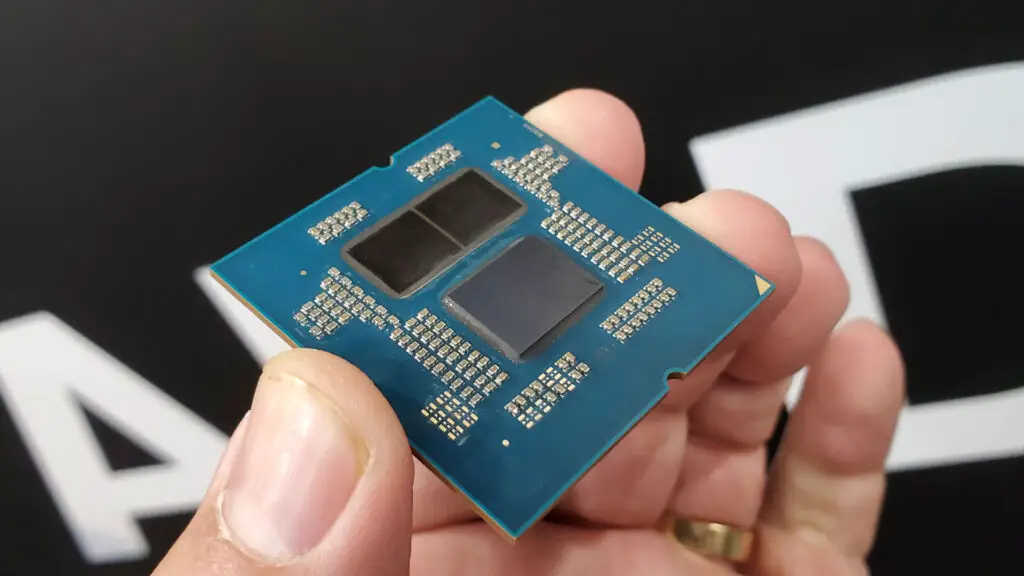
The second part of the leak, “8+8 10+10 12+12,” details the dual-CCD configurations typically reserved for the Ryzen 9 family. By leveraging the new 12-core CCD architecture, AMD can scale its flagship processors to unprecedented levels for the consumer desktop market.
The following table outlines the potential core and thread configurations for the Zen 6 Ryzen 9 lineup based on these leaks:
| Configuration (CCD1 + CCD2) | Total Cores | Total Threads | Market Segment |
|---|---|---|---|
| 8 + 8 | 16 Cores | 32 Threads | High-End Desktop |
| 10 + 10 | 20 Cores | 40 Threads | Enthusiast / Content Creation |
| 12 + 12 | 24 Cores | 48 Threads | Flagship / Workstation-Lite |
This expansion introduces a new 20-core tier and pushes the flagship to 24 cores, bringing mainstream Ryzen processors closer to the thread counts previously seen only in the Threadripper lineup. For digital innovators and software engineers, this extra headroom is a game-changer for compiling code and running complex virtualized environments.
Strategic Implications: The “Rampage of Ryzens”
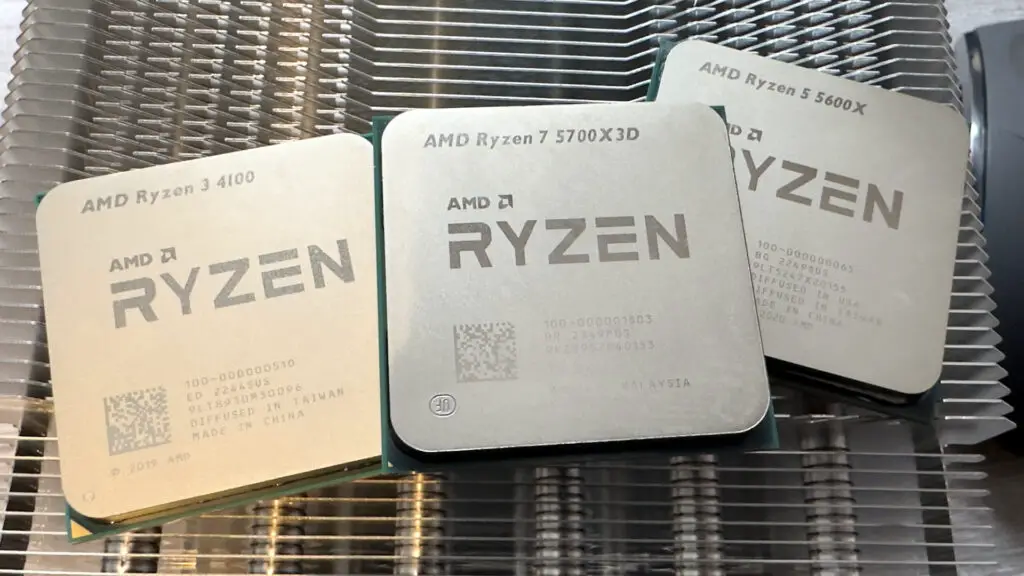
From my perspective as TechTalesLeo, this isn’t just about higher numbers—it’s about market dominance. Following the initial launch of the “X” variant processors, AMD is expected to roll out non-X models, performance-tuned X3D variants with 3D V-Cache, and budget-friendly versions without integrated graphics. This could result in a massive lineup of nearly 30 different Zen 6 SKUs.
This strategy, often referred to as a “Rampage of Ryzens,” allows AMD to maximize the yield of every silicon wafer. By utilizing dies with varying numbers of active cores, they reduce waste and provide a specific price point for every type of user, from the casual student to the professional developer.
As we continue to monitor the intersection of AI acceleration and raw processing power, the Zen 6 architecture stands as a testament to AMD’s commitment to pushing the boundaries of what desktop hardware can achieve. Stay tuned to Digital Tech Explorer for further deep dives as more technical specifications emerge from the silicon labs.
Disclaimer: All content on Digital Tech Explorer is for informational and entertainment purposes only. We do not provide financial or legal advice. Some links may be affiliate links; we may earn a commission at no additional cost to you.