
In the ever-evolving landscape of digital innovation, even the giants of the industry must navigate unpredictable tides. At Digital Tech Explorer, we’ve been tracking the shifting currents of the hardware market, and a recent update from AMD serves as a stark reminder of the complexities behind the silicon. The company has officially updated its financial risk assessments to include a looming shadow: a significant, industry-wide memory shortage that could reshape the tech world in 2024 and beyond.
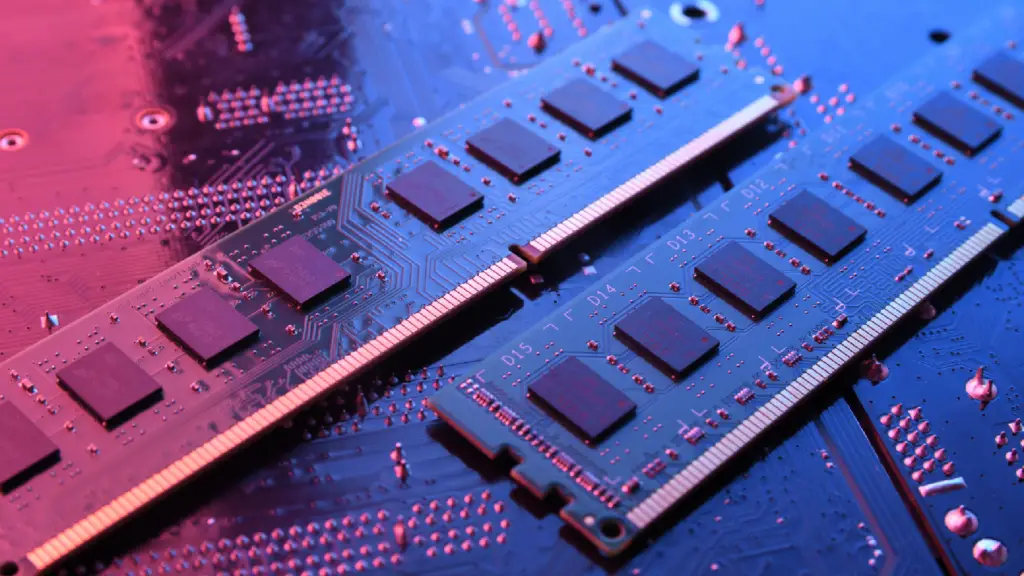
Decoding the Memory Supply Crisis
In its latest Form 10-K filing, AMD has adjusted its narrative regarding economic and market uncertainty. Under the section detailing risks to business and operating results, the company explicitly identifies a memory supply crisis. The filing states, “there is currently an industry-wide memory shortage as the demand for such components has outpaced supply.”
This is a pivot from previous annual reports, where memory availability was not highlighted with such urgency. The narrative has shifted from general supply chain concerns to a specific warning about the rising price of memory and its potential to squeeze gross margins. For tech enthusiasts and professionals, this translates to a simple reality: the cost of staying at the cutting edge is likely to climb.
Ripple Effects Across the Hardware Ecosystem
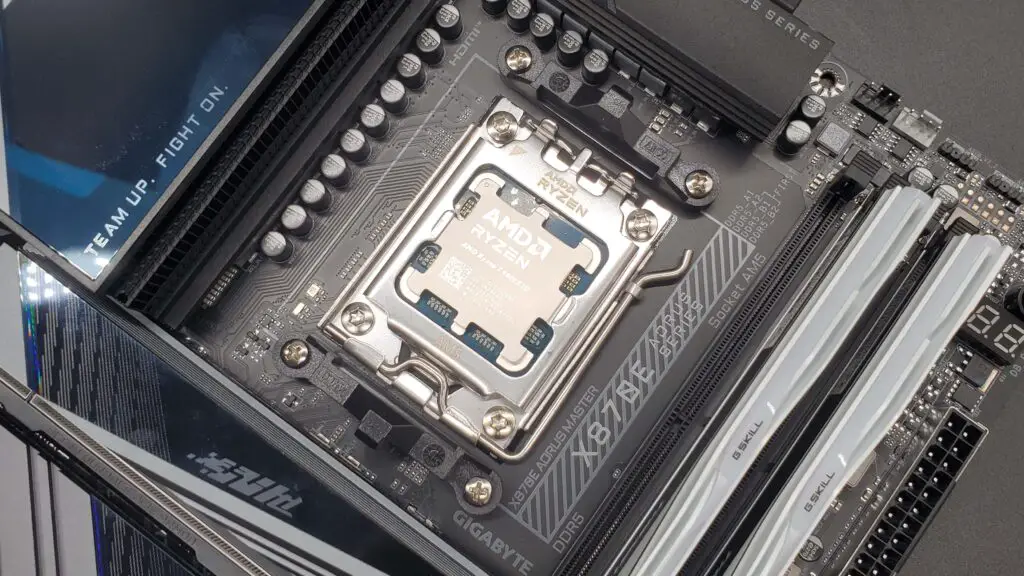
While AMD is famous for its AMD Ryzen processors and Radeon GPUs, it does not manufacture memory in-house. It relies on third-party DRAM modules to bring its hardware to life. Any disruption in this external supply chain sends tremors through their entire product lineup.
| Risk Factor | Potential Impact on Consumers |
|---|---|
| Memory Scarcity | Limited availability of high-end graphics cards and pre-built systems. |
| Increased Production Costs | Higher MSRP for next-generation gaming hardware. |
| Supply Chain Instability | Delays in product launches and regional stock shortages. |
The alarm bells aren’t just ringing at AMD. Zotac recently voiced similar concerns, suggesting that the current market volatility threatens the very survival of graphics card manufacturers and distributors. Even during a period of record CPU sales revenue, the inability to secure affordable memory could deter users from essential system upgrades, cooling off an otherwise red-hot market.
The Path Forward: Navigating “Interesting Times”
At Digital Tech Explorer, we believe that transparency is the key to navigating these “interesting times.” AMD’s decision to explicitly list these shortages as a risk factor is more than just corporate due diligence; it’s a signal to the industry to prepare for a period of adjustment. As AI acceleration and advanced gaming demand more memory-intensive solutions, the bridge between complex manufacturing and everyday usability becomes more difficult to maintain.
For the savvy tech enthusiast, this is a moment to watch the market closely. Whether you are eyeing a new 4K gaming rig or upgrading a workstation, the stability of the memory market will be the deciding factor in the year’s most important tech stories. Stay tuned to TechTalesLeo for further insights as we continue to bridge the gap between emerging trends and practical tech advice.