
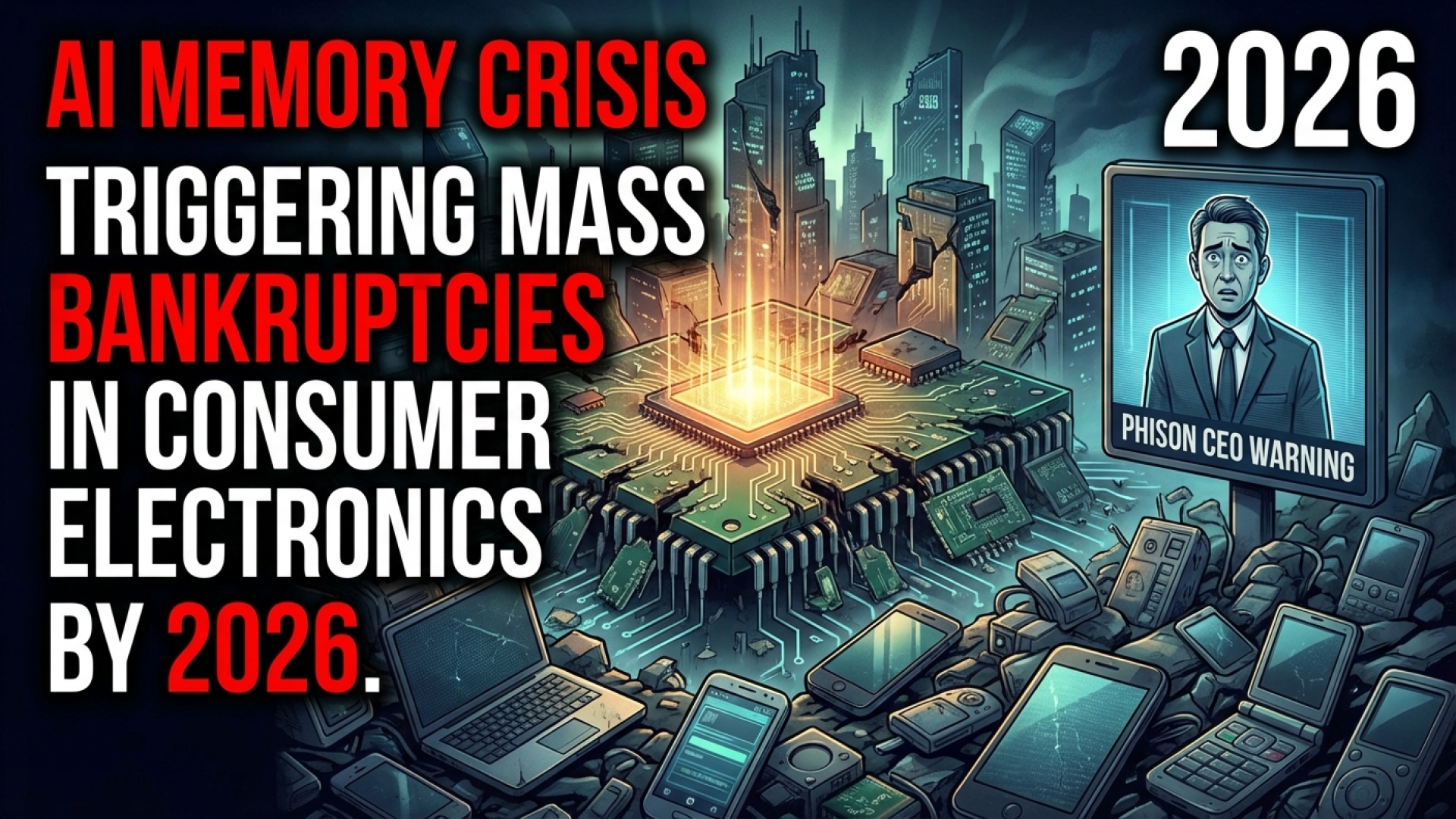
The consumer electronics landscape is currently navigating a period of unprecedented volatility. At Digital Tech Explorer, we’ve been tracking the intersection of software demands and hardware limitations, and we are now witnessing what industry insiders call the “AI-memory-boom.” This surge, driven by the insatiable appetite of AI acceleration, has triggered a “chatbot-slop-crisis” that is sending ripples through the global supply chain. Recent data suggests that memory prices have skyrocketed, creating a bottleneck that threatens the viability of several hardware sectors.
Phison CEO Issues a Warning to the Industry

In a revealing interview, Phison CEO Pua Khein-Seng offered a sobering perspective on the immediate future of computer hardware. As someone who navigates the complexities of digital innovation daily, TechTalesLeo finds these insights particularly telling of a shifting market narrative. Khein-Seng noted that the current imbalance between memory supply and demand isn’t a temporary glitch; it is a structural shift likely to persist through 2030. The demand for AI-driven components is so intense that DRAM and NAND Flash are facing extreme scarcity, leading to a “seller’s market” where buyers are being forced into unprecedented three-year prepayment agreements.
The most startling revelation involves the potential for a “large number of failures” within the consumer electronics sector. Khein-Seng predicts that between now and late 2026, many system vendors may face insolvency or be forced to abandon specific product lines due to these shortages. The projected statistics for the next two years highlight the severity of the situation:
| Market Segment | Projected Impact / Metric |
|---|---|
| Mobile Phone Production | Reduction of 200–250 million units |
| Global Supply Gap | Estimated 10–20% shortage |
| Market Duration | Constraints expected until 2030+ |
| Vendor Risk | High bankruptcy risk for system vendors through 2026 |
How Next-Gen AI Hardware Fuels the Crisis
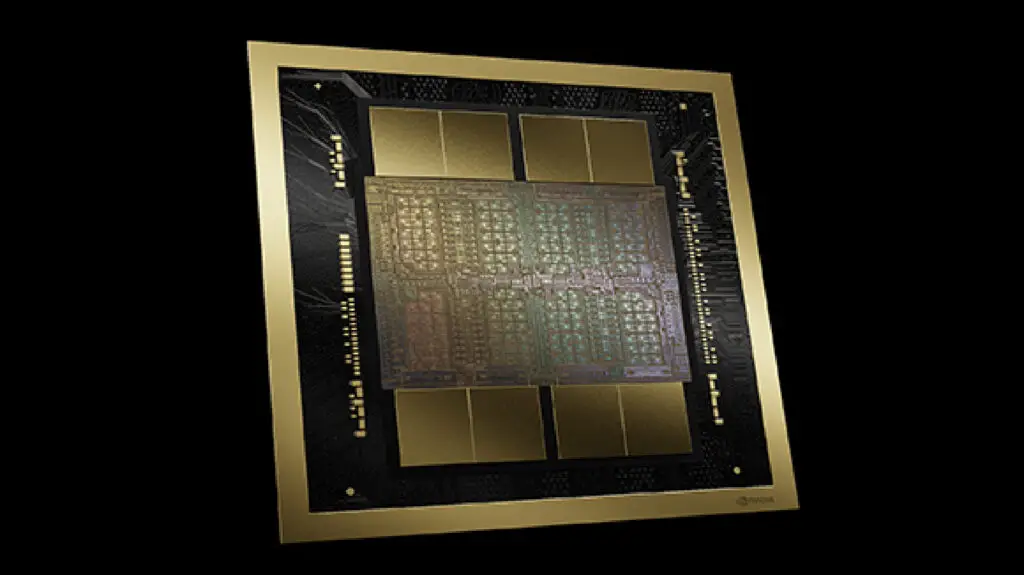
The crisis is being supercharged by the rollout of massive 2024 releases in the enterprise sector. Pua Khein-Seng specifically pointed to the influence of Nvidia’s next-generation GPUs. If enterprise-level units ship in the tens of millions, the storage requirements alone—often exceeding 20TB of SSD capacity per unit—could consume roughly 20% of the world’s total NAND production. This pivot toward high-margin AI infrastructure means that traditional consumer devices like PCs and TVs are being deprioritized in the global manufacturing queue.
A Long-Term Supply Constraint
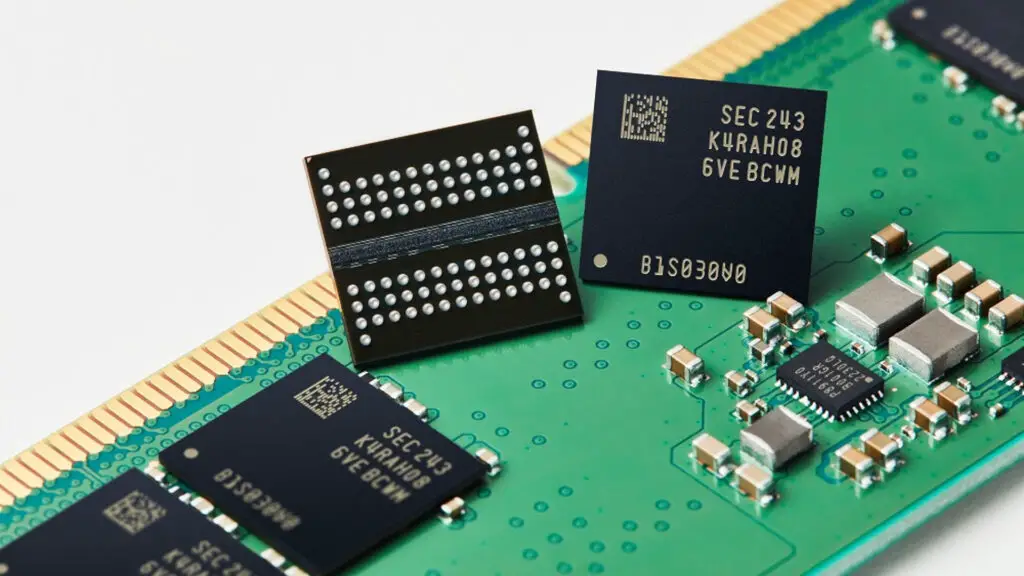
While industry giants like Samsung, Micron, and SK Hynix are aggressively investing in new facilities, the road to recovery is long. It typically takes a minimum of two years for a new facility to reach actual production capacity. Furthermore, analysis shows that new manufacturing output from China is only expected to contribute 3-5% to the global total—nowhere near enough to bridge the 10-20% supply gap. For tech enthusiasts and professionals, this suggests that the era of “cheap RAM” is over for the foreseeable future.
Sustainability vs. Market Reality
There is a growing debate within the tech community about whether this scarcity will lead to more sustainable consumer habits. If hardware becomes more expensive, will users prioritize repairs and extended lifespans? While TechTalesLeo appreciates the narrative of a more circular economy, the data suggests a different reality. Even if Android or Apple smartphone production slows, the total energy and material consumption of the tech sector is still rising due to the massive power requirements of AI servers. Replacing a fleet of consumer laptops with a single 1,400W Nvidia B300 GPU cluster creates a complex environmental trade-off that the industry has yet to fully resolve.
At Digital Tech Explorer, we remain committed to providing transparent, research-backed insights into these emerging trends. Whether you are a software engineer or a casual enthusiast, staying ahead of these hardware shifts is crucial for making informed decisions in an increasingly expensive digital world.