

For those of us who live and breathe hardware, the current state of the memory market feels like a plot twist we never asked for. If you have been keeping an eye on your next build or server upgrade, you know it is a challenging time for RAM prices. While we are all waiting for the moment memory costs return to some semblance of sanity, recent spot price data suggests a slight shift—though it is hardly the relief we were hoping for.
At Digital Tech Explorer, we have been tracking the ripples caused by the AI industry’s insatiable hunger for high-performance components. This bottomless appetite for system storage and memory has triggered a global supply crisis. According to reports from DigiTimes, spot prices for 16Gb DDR4 modules skyrocketed by a staggering 2,200% over the last year. While prices have finally begun to dip, the 5% decrease we are seeing is a mere drop in the bucket.
DDR4 and DDR5: A Tale of Two Trends
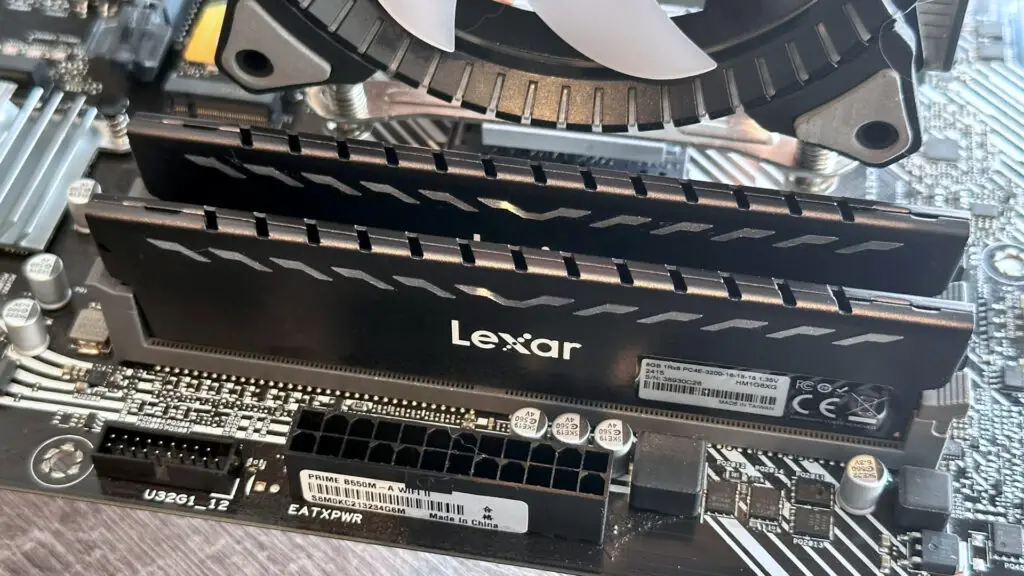
The scale of this volatility is hard to overstate. In early 2025, a 16Gb DDR4 module was priced around $3.20. Today, even with the recent minor correction, that same module is trading at roughly $74.10. While any downward movement breaks the months-long streak of aggressive growth, it provides little comfort to developers and enthusiasts trying to stay within a budget.
| Memory Type (16Gb) | Historical Price (2024/Early 2025) | Peak/Current Price (2025) | Approx. Increase |
|---|---|---|---|
| DDR4 | $3.20 | $74.10 | 2,200% |
| DDR5 | $5.30 | $37.20 | 600% |
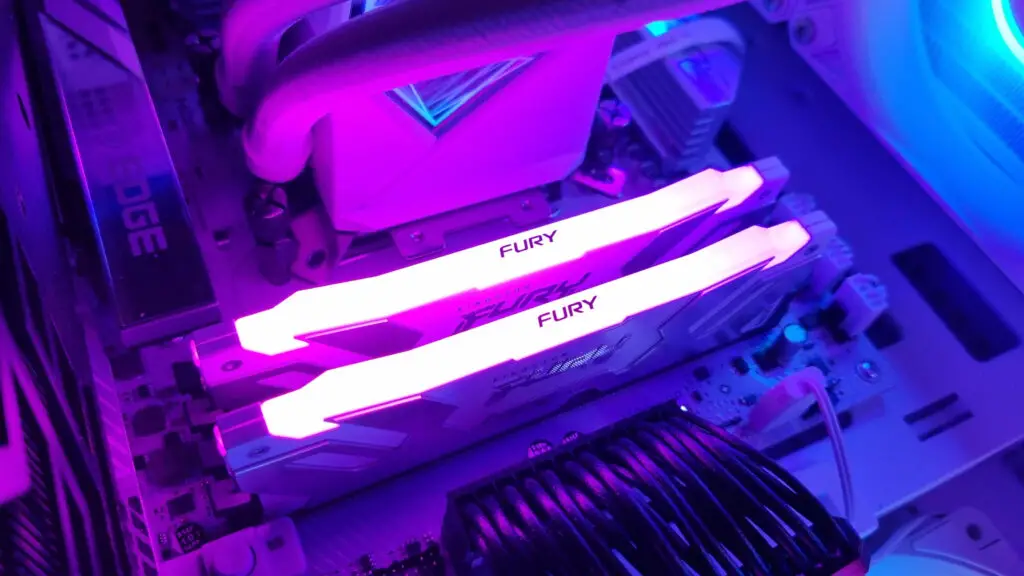
DDR5 modules have followed a similar trajectory. Prices previously climbed from $5.30 last year to a peak of $37.20 last month. While a minor percentage drop has been recorded, it is essential to distinguish between spot pricing (bulk market trades) and the consumer pricing you see at retail. Retailers are often slow to pass on these tiny savings, especially when supply remains tight.
When Will Consumers See Relief?
For the average builder, the outlook remains cautious. These minor market fluctuations have yet to impact the channels where PC manufacturers source their components. Despite the occasional retail discount, anyone planning an AMD or Intel build upgrade this year should be prepared for sustained high costs. We don’t expect hardware prices to tumble significantly in the immediate future.
The Long-Term Forecast: 2028 and Beyond
Market research points toward a long road to recovery. Current estimates suggest that truly affordable RAM may not return until 2028. Industry giant Micron recently confirmed that NAND demand is significantly exceeding available supply, and their new fabrication facilities won’t be ready for meaningful shipments for several years. Meanwhile, Samsung is reporting profits nearly eight times higher than the previous year, highlighting the massive financial gain for those at the top of the supply chain.
The implications are serious for the broader industry. Phison CEO Pua Khein-Seng has warned that the AI memory crisis could lead many consumer electronics manufacturers to face bankruptcy or exit specific product lines by the end of 2026. Even Framework founder Nirav Patel expressed concern, suggesting a scenario where the landscape of personal computing as we know it is fundamentally altered.
At Digital Tech Explorer, we believe in transparency and providing the facts you need to make informed decisions. While the “memory doomsday” scenarios are concerning, we will continue to monitor the GPU, AI, and Hardware markets to help you navigate these turbulent times. For now, if you find a kit at a price you can live with, it might be better to secure it rather than waiting for a market crash that is years away.
Disclaimer: All content on Digital Tech Explorer is for informational and entertainment purposes only. We do not provide financial or legal advice. Some of the links on Digital Tech Explorer are affiliate links. This means we may earn a commission if you click through and make a purchase, at no additional cost to you. Our recommendations are based on thorough research and real-world testing.