
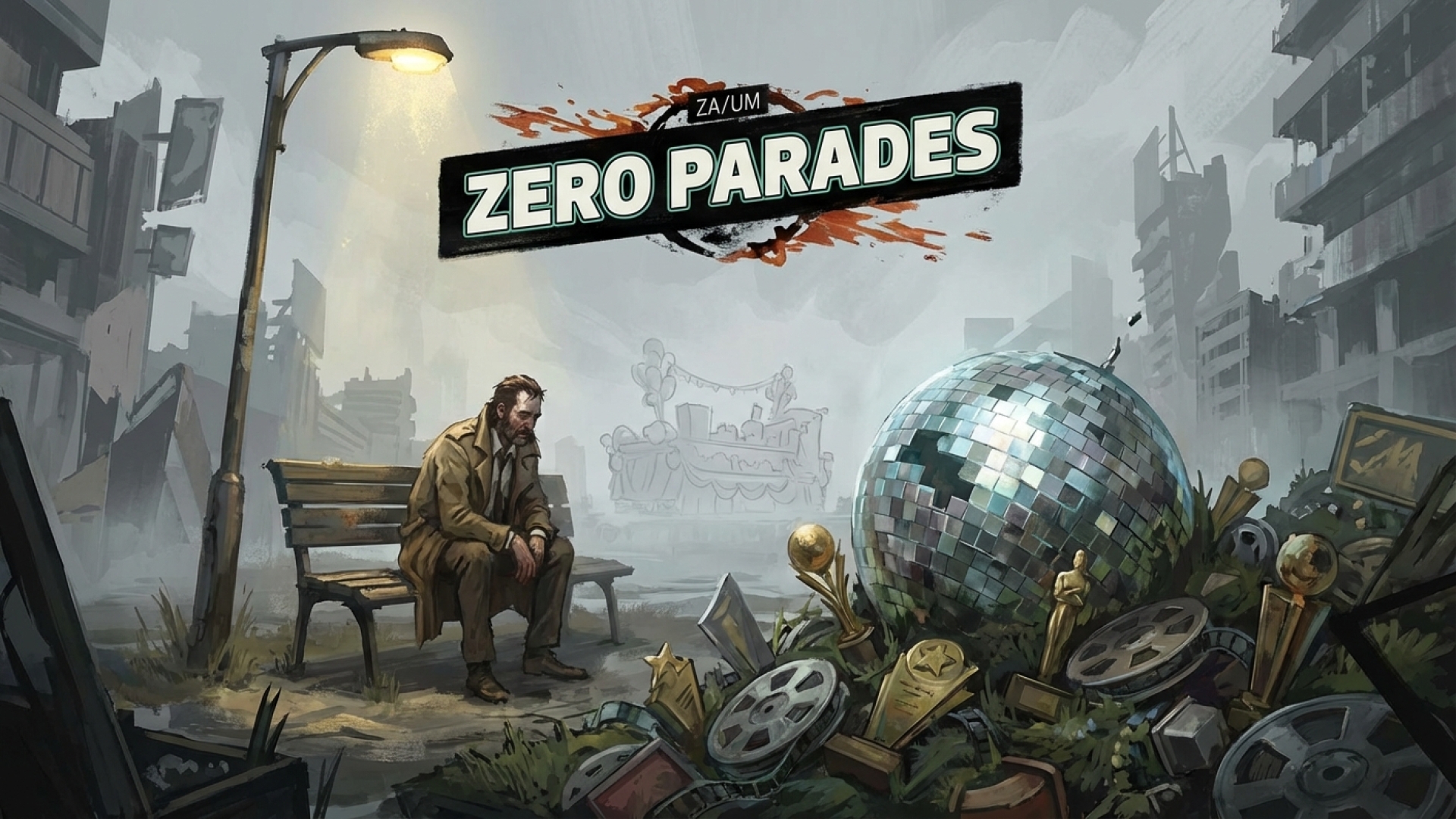
At Digital Tech Explorer, we often delve into the mechanics of software and the narratives behind development. The upcoming title, Zero Parades: For Dead Spies, from the studio legacy behind Disco Elysium, offers a fascinating case study in narrative architecture. Playing the demo makes it impossible to ignore the “ghosts” of its development history. This game emerges from a splintered studio—a collective fractured after the immense success of its predecessor. Many founding members departed under acrimonious circumstances, leaving this project to navigate the high expectations of the gaming community while under the long shadow of its lineage.
The Protagonist: Hershel Wilks (Alias CASCADE)
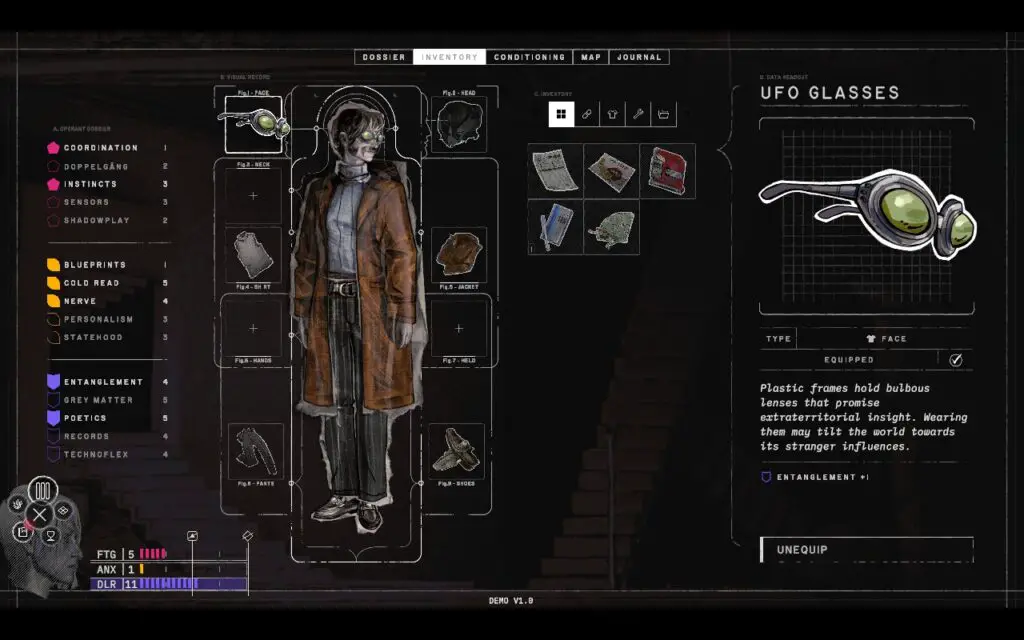
As TechTalesLeo, I look for characters that bridge the gap between complex digital worlds and human relatability. Players step into the shoes of Hershel Wilks, known by her alias CASCADE. She is a spy for the communist “Superbloc” of People’s Republics, dispatched on a mission shrouded in secrecy. Her backstory reveals a self-proclaimed “fuck-up”; five years prior, an undisclosed error led to the demise of her entire spy cadre. Consequently, she was banished to “The Freezer”—a disciplinary holding akin to Slow Horses’ Slough House, where Superbloc washouts fade into ignominy.
The narrative skillfully employs the detached, grey, and dissociative style found in classic spy fiction, reminiscent of John le Carré. However, the parallels to Disco Elysium are evident: a terminal loser on an ill-understood mission in a world of ideological extremes. While Harrier DuBois was a competent detective despite his vices, early impressions suggest Hershel Wilks possesses her own hidden potential as a spy, regardless of her superiors’ low opinion. For those following PC games in 2024, this narrative depth is a hallmark of the genre’s evolution.
Gameplay Mechanics and Innovation
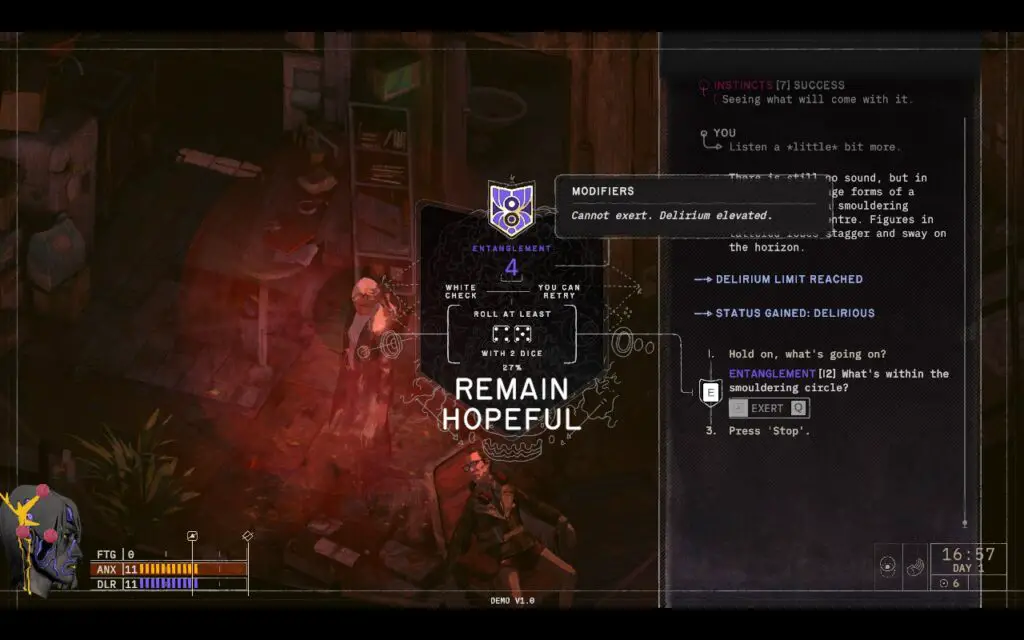
Mechanically, Zero Parades adopts a skill and check system that feels like a natural evolution of the distinctive style we’ve come to expect. Your abilities engage in internal dialogue, and progression is marked by white (repeatable) and red (non-repeatable) skill checks. The game introduces three core ability pools: physical, interpersonal, and intellectual skills, each with its own health bar.
| Mechanic | Function | Innovation Factor |
|---|---|---|
| Skill Pools | Physical, Interpersonal, Intellectual stats. | Individual health bars for different skill types. |
| Exert System | Sacrifice skill HP for an advantage on rolls. | Adds a tactical layer of “risk vs. reward” to dialogue. |
| Internal Dialogue | Skills talk back to the player. | Enhanced vocal variety and tone shifts. |
The key innovation is the “Exert” mechanic: if a skill pool’s HP isn’t critically low, players can “Exert” themselves on relevant skill checks to gain an advantage, similar to a D&D 5e advantage roll. This comes at the cost of some damage to that skill pool’s health, and excessive damage may require sacrificing an ability point to recover. This adds a layer of digital strategy that we value at Digital Tech Explorer.
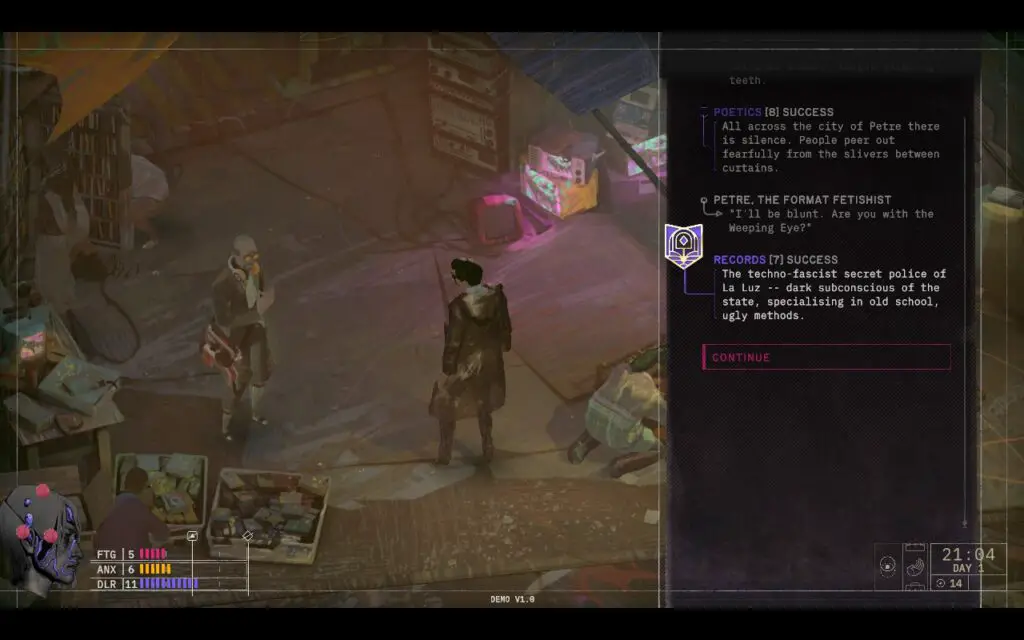
The voice narration also marks a significant shift. Instead of a neutral, bassy rumble, Zero Parades features a nasal, feminine voice that is both ancient and adolescent, delivering lines with a perpetual semi-mockery. The dialogue remains sharp, strange, and often very funny. The game excels at crafting memorable, off-kilter personalities, such as Constanz, the safehouse manager rebelling against her bourgeois background, and Petre, a music salesman with eccentric genre categories like “Hairdresser Music.”
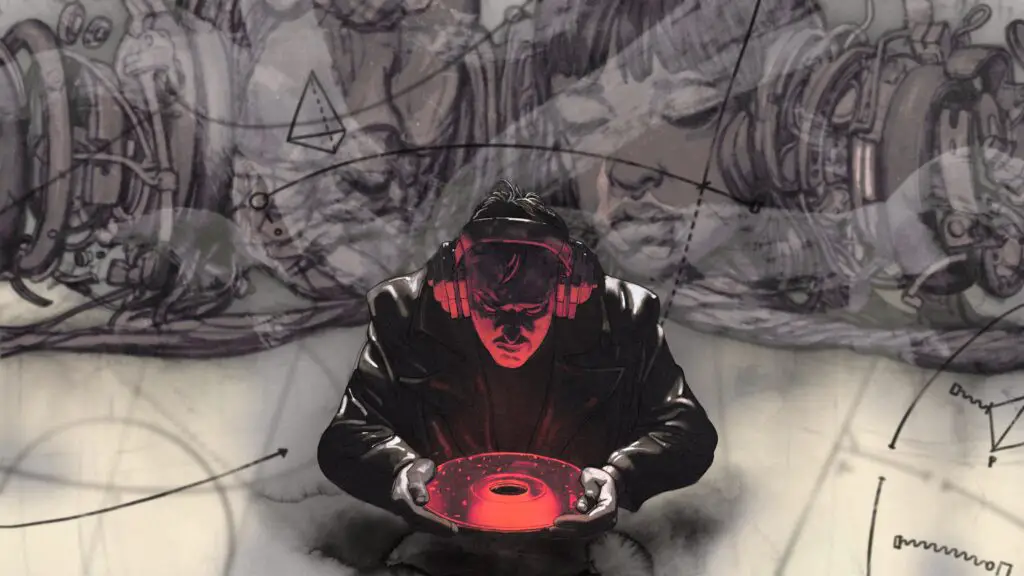
Escaping the Shadow of the Past
Despite its unique elements, Zero Parades struggles to transcend the shadow of its predecessor. In its current demo form, it occasionally feels more like an imitation than a true evolution. For instance, some dialogue options for Hershel Wilks, such as adopting a “Superstar” mode, seem almost directly lifted from the templates of the past.
This persona feels particularly unnatural for Wilks. For a female character in this specific spy setting, these same lines feel out of place, suggesting the development might be relying on popular tropes rather than developing a voice authentic to Hershel. This sentiment extends to smaller details, like a fax machine subtask that attempts to channel a familiar narrative style but ultimately feels like an “off-brand” impression.
The overall experience of playing the Zero Parades demo is bittersweet. While technically proficient and narratively ambitious, there is an undeniable sense of what is missing from the original collective. In conclusion, while Zero Parades: For Dead Spies offers a high-quality experience, it remains in a struggle to define itself as more than a successor to an acclaimed predecessor. We will continue to monitor its development as we approach the full 2024 releases.
All content on Digital Tech Explorer is for informational and entertainment purposes only. We do not provide financial or legal advice. Some of the links on Digital Tech Explorer are affiliate links. This means we may earn a commission if you click through and make a purchase, at no additional cost to you. Our recommendations are based on thorough research and personal experience.