
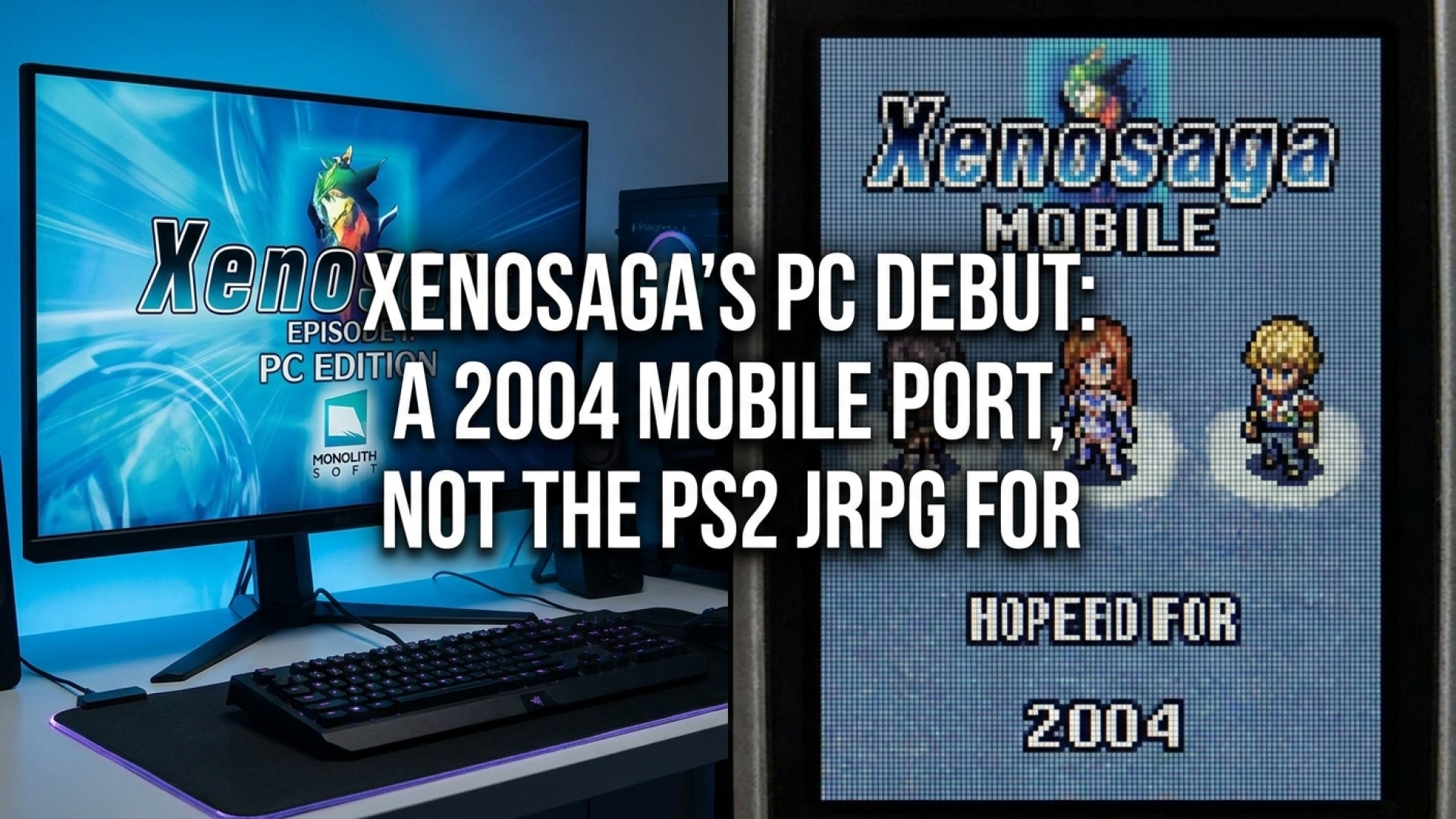
The expansive Xeno series, beloved for its deep philosophical narratives and the massive success of the Xenoblade Chronicles franchise, is finally bringing a forgotten piece of its history to the PC. While many long-term fans have been holding their breath for a modern revival of the classic PlayStation 2 trilogy, the first Xenosaga title to officially hit Steam is a fascinating technical relic: the 2004 mobile-exclusive prequel, Xenosaga: Pied Piper.
Resurrecting a Mobile Legend: What is Xenosaga: Pied Piper?
For the average JRPG enthusiast, Xenosaga is synonymous with the high-budget cinematic experiences of the PS2 era. However, Xenosaga: Pied Piper represents a unique moment in gaming history. Originally released exclusively for Vodafone mobile phones in Japan, the game predates the modern smartphone revolution by years. Developed by Monolith Soft in collaboration with Tom Create and Namco, this title served as a crucial backstory for the character Ziggy, yet it remained geographically and technically locked away for two decades.
At Digital Tech Explorer, we closely monitor how legacy software is preserved for modern audiences. This PC port is coming via G-Mode as part of their “G-MODE Archives+” series—a dedicated effort to rescue titles from the “Galapagos phone” era of Japanese mobile gaming. This follows their successful archival work on titles like Armored Core: Mobile 3, proving that there is a significant market for preserving digital history on modern hardware.
Technical Specifications and Port Details
As a storyteller focused on the evolution of digital media, TechTalesLeo notes that this release is a “pure” port. It is designed to emulate the original mobile experience rather than overhaul it. Here is a breakdown of what to expect from this archival release:
| Feature | Details |
|---|---|
| Platform | PC (via Steam) |
| Developer/Publisher | G-Mode (Original: Monolith Soft / Namco) |
| Visual Style | Original 2D Pixel Art (Scaled for modern displays) |
| Language Support | Japanese Only (No official English translation) |
| Control Input | Keyboard and Controller Support |
Preservation Over Modernization: Challenges for Players
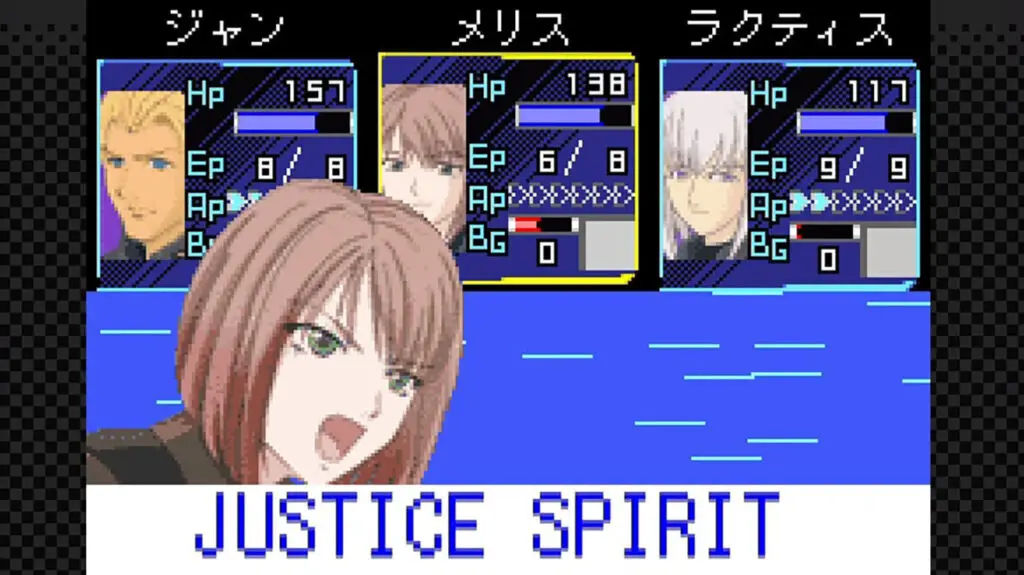
The transition to PC games often brings expectations of remastered textures and quality-of-life updates. However, Pied Piper remains a window into 2004. The most significant hurdle for international fans is the lack of an official English localization. Because the game is text-heavy and narrative-driven, non-Japanese speakers will need to rely on fan-translated scripts or external tools to fully grasp the story.
Despite the language barrier, the technical preservation is impressive. The pixel art scales remarkably well, maintaining the aesthetic charm of mid-2000s mobile development. For tech enthusiasts and software historians, seeing how these developers squeezed a complex JRPG experience into the limited memory of a flip phone is a masterclass in optimization.
The Future of Xenosaga on Modern Platforms
While Pied Piper is a niche entry, its arrival on Steam sparks a larger conversation about the series’ future. With Monolith Soft now a subsidiary of Nintendo, the licensing between the developer, the original publisher (Bandai Namco), and platform holders remains complex. However, G-Mode’s initiative proves that the “impossible” task of porting legacy Xeno content is technically feasible when there is a commitment to preservation.
For those who value the intersection of storytelling and digital innovation, Xenosaga: Pied Piper is more than just a game; it is a recovered chapter of a larger digital saga. It serves as a reminder that in the world of technology, no software should be left behind.
Disclaimer: All content on Digital Tech Explorer is for informational and entertainment purposes only. We do not provide financial or legal advice. Some of the links on Digital Tech Explorer are affiliate links. This means we may earn a commission if you click through and make a purchase, at no additional cost to you.