
At Digital Tech Explorer, we often look at how digital innovation reshapes industries. Usually, that involves software or hardware breakthroughs, but in the 1990s, the world of professional wrestling attempted a high-tech crossover that became a legendary case study in “digital branding” gone wrong. As TechTalesLeo, I love unearthing these moments where pop culture, gaming, and massive financial investments collide in spectacular fashion.
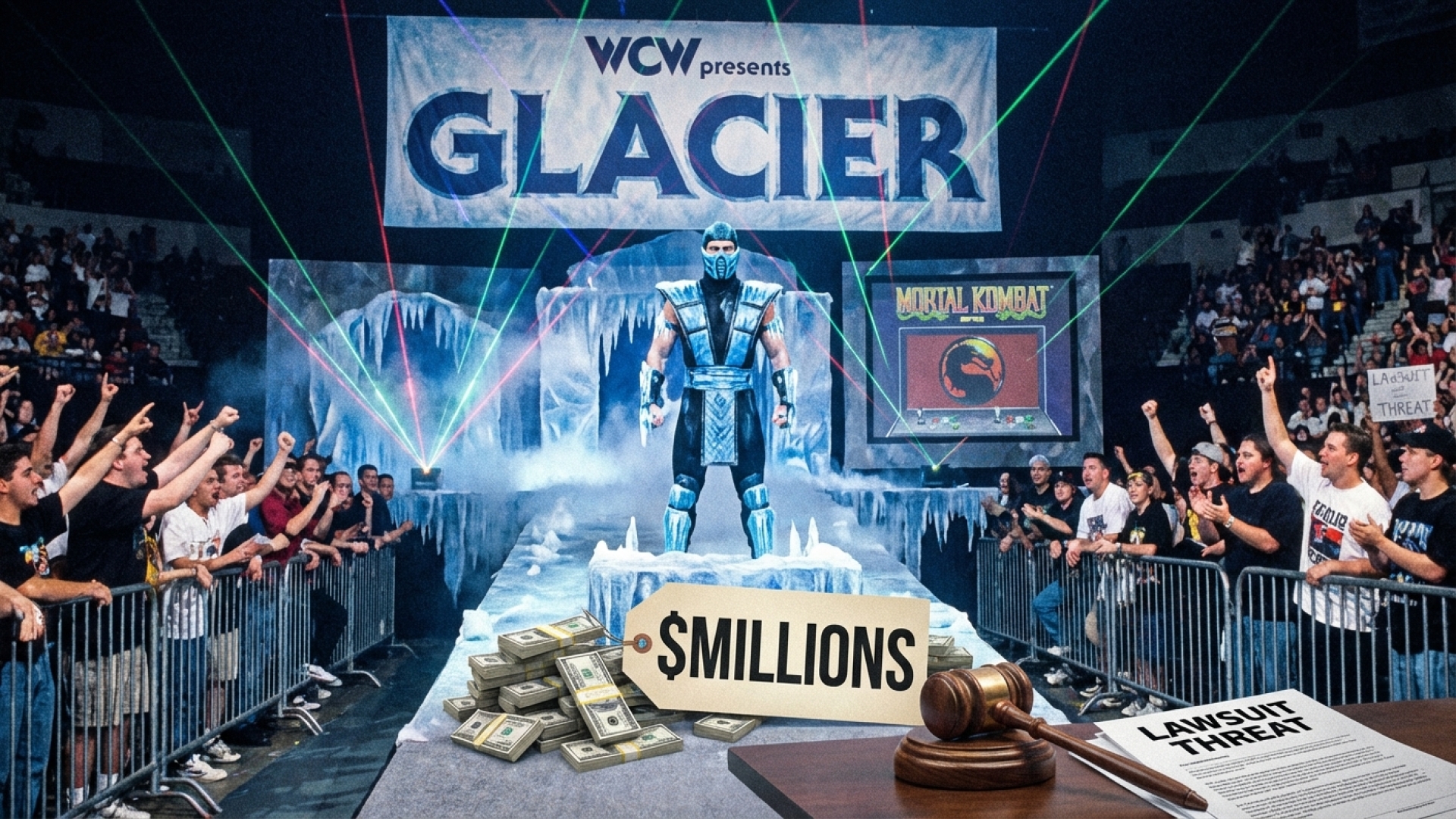
The now-defunct World Championship Wrestling (WCW) was infamous for burning through billionaire Ted Turner’s cash. During the “Monday Night Wars” against Vince McMahon’s WWF, WCW had a blank check to pursue any trend. Their most expensive creative blunder? A character named Glacier—an unashamed, high-cost rip-off of Mortal Kombat’s Sub-Zero. It was a project that combined state-of-the-art 90s pyrotechnics with a catastrophic misunderstanding of intellectual property law.
The Digital Inspiration: From Console to Canvas
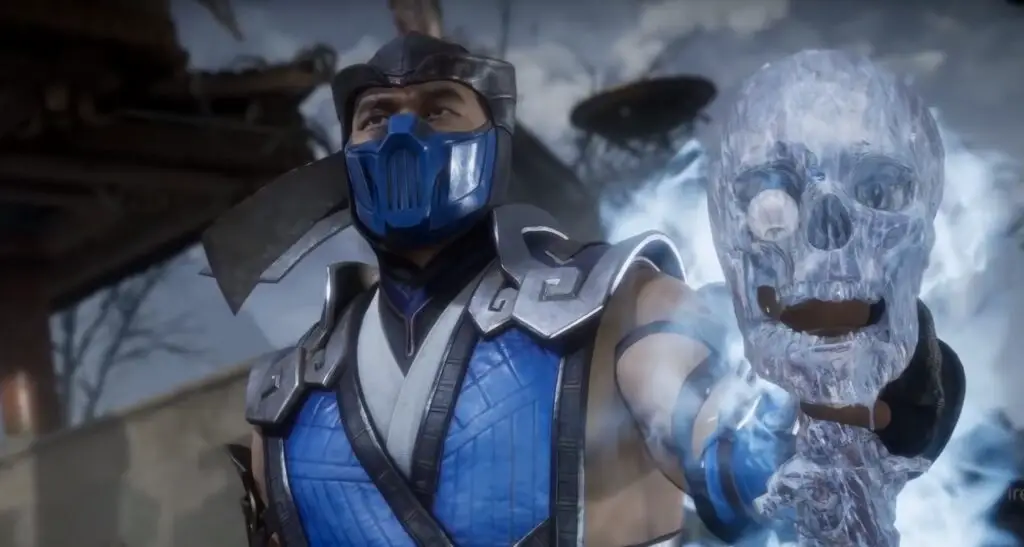
In the mid-90s, the Mortal Kombat franchise was the pinnacle of gaming technology and cultural relevance. WCW Executive Vice President Eric Bischoff, a martial arts enthusiast, saw the success of the 1995 Mortal Kombat movie and wanted to capture that “digital warrior” energy. When Ray Lloyd—a legitimate karate champion—entered the picture, the plan for Glacier was born.

The investment was staggering for the time. WCW paid AFX Studios, a professional Hollywood prop house, $35,000 just to design a Sub-Zero-style costume. This wasn’t just a wrestling outfit; it was intended to be a piece of live-action cinema brought to the ring, showcasing the same level of detail found in the PC games and arcade hits of the era.
A $400,000 Entrance for a Two-Minute Match
If the costume was expensive, the tech behind the entrance was astronomical. WCW invested in a spectacle that featured blue lasers, synthetic snow, and specialized lighting. Producer Keith Mitchell reportedly informed Lloyd that the full entrance setup cost $400,000, with an additional $10,000 in technician fees every single time the “ice” effects were deployed.
The branding efforts were equally intensive. WCW ran video vignettes from April to September 1996, utilizing imagery and scripts that were nearly identical to the Mortal Kombat film. One promo declared, “In each of us burns the fury of a warrior,” a direct lift from the movie’s “In each of us burns the soul of a warrior.” Despite the high-tech marketing blitz, the timing was unfortunate. By the time Glacier debuted, the nWo (New World Order) storyline had shifted the industry toward realism, making Glacier’s “Spooky Boy” aesthetic look outdated and overly “cartoonish.”
The Naming Bug: Almost “Stone Cold”
In a fascinating twist of “what-if” history, WCW nearly stumbled upon the most successful brand name in wrestling history by accident. While brainstorming 150 different cold-themed names for the character, “Stone Cold” was on the short list. Ultimately, they chose Glacier, while Steve Austin in the WWF would adopt the “Stone Cold” moniker months later, becoming the biggest star in the industry. Bischoff also pushed for the name “Cryonic,” but settled for naming the character’s finishing move the “Cryonic Kick.”
The Legal Patch: Midway’s Cease and Desist
The ultimate downfall of the original Glacier concept wasn’t just the creative shift—it was Intellectual Property law. Midway, the developers behind Mortal Kombat, took notice of the striking similarities between their character and WCW’s new star.
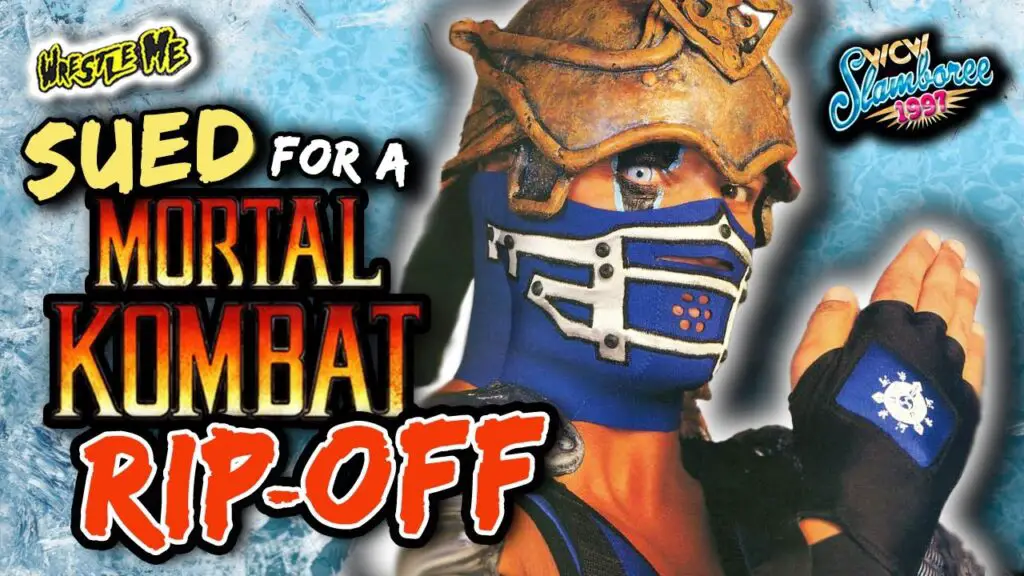
Lloyd recalled being summoned to Bischoff’s office to be told that Midway was threatening a massive lawsuit. Recognizing they would “lose and lose big,” WCW was forced to scramble. Unwilling to spend another $35,000 on a new design, they sent the original suit back to AFX for a “legal patch”—modifying it just enough to avoid a courtroom battle. After only four matches, the expensive lasers and original music were scrapped, and the character’s look was significantly altered.
The Tech Legacy of a Million-Dollar Disaster
The Glacier saga serves as a cautionary tale for any brand trying to “copy-paste” digital trends into a different medium. WCW spent over a million dollars on a “Temu version” of a video game character, refusing to pivot until legal reality set in. For tech enthusiasts and gaming fans, it remains a bizarre relic of an era where companies had more money than creative foresight.
Despite the gimmick’s failure, Ray Lloyd remains a respected figure in the community for his professionalism. Reflecting on the era, Lloyd shared last year: “I’ve learned in this long, great career that the secret to success is going out there and doing your best… For people who were critics about my gimmick, well, god bless you for at least watching it.”
For more stories on the intersection of digital media and entertainment, keep exploring Digital Tech Explorer. We bridge the gap between complex tech history and everyday usability, ensuring you stay ahead of the trends—unlike the creators of Glacier.
Disclaimer: All content on Digital Tech Explorer is for informational and entertainment purposes only. We do not provide financial or legal advice. Some links may be affiliate links; we may earn a commission at no additional cost to you.