
Warner Bros. Discovery has recently found itself at the epicenter of intense industry speculation. With potential acquisition bids circulating from titans like Netflix and Paramount, the spotlight has primarily remained on its prestigious film and TV libraries. However, here at Digital Tech Explorer, we’ve noticed a curious trend: during Netflix’s massive $83 billion valuation analysis, Warner Bros.’ gaming division was largely overlooked. This omission is striking, especially considering that Hogwarts Legacy shattered expectations by selling over 15 million copies and generating $1 billion by mid-2023, proving itself as a heavyweight in the digital landscape.
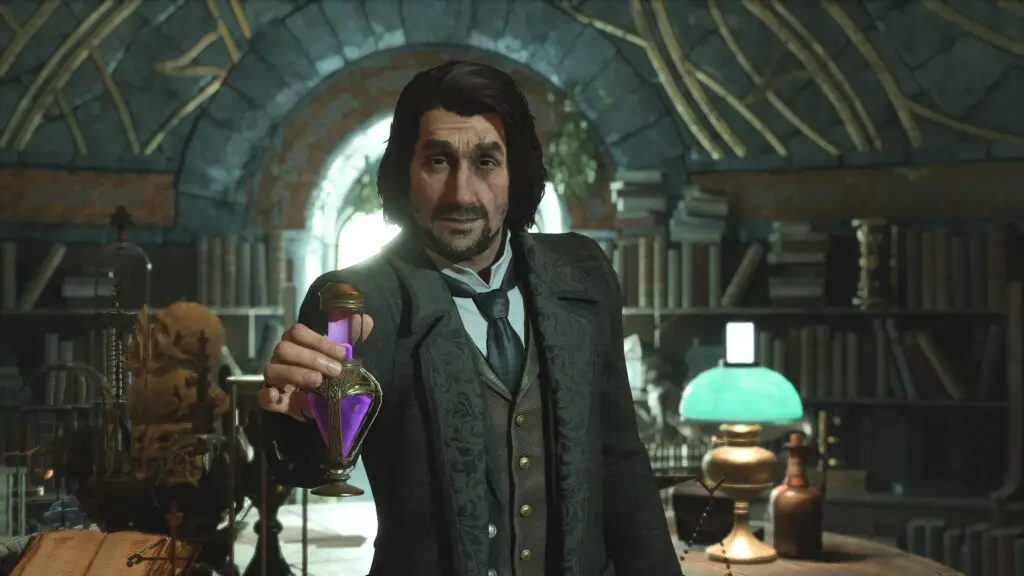
As TechTalesLeo, I’ve tracked how even the most established studios can lose their way. While Hogwarts Legacy and Mortal Kombat 1 provided significant wins, the broader portfolio has faced turbulence. From the lukewarm reception of Suicide Squad: Kill the Justice League to the struggling re-launch of MultiVersus and the quiet release of Harry Potter: Quidditch Champions, the brand’s gaming output has been inconsistent. This mixed bag of results has forced the company to initiate a major strategic pivot.
The 2025 “Year of Reset”
WB Games CEO JB Perrette recently addressed investors, labeling 2025 as a “year of reset.” The leadership admitted that the studio had become overextended, attempting to deploy too many intellectual properties across a fragmented set of developers. This “distracted” approach diluted the quality and market impact of their releases, leading to the current cooling-off period.
The realization is clear: quantity does not equal quality in the modern PC games and console market. By spreading resources too thin, Warner Bros. failed to maintain the momentum needed to dominate the industry. The new directive focuses on consolidation, ensuring that every project aligns with the company’s most powerful assets.
Refocusing on Blockbuster Franchises (2027-2028)
The long-term vision for Warner Bros. Games is now centered on a 2027-2028 resurgence. Perrette noted that the “real fruits” of this labor will emerge when they return to their core pillars. While niche projects like a new Lego Batman and a Game of Thrones mobile title are slated for the near term, the primary focus is shifting back to guaranteed hits that leverage high-end hardware capabilities.
To provide a clearer picture of where the company is heading, here is a breakdown of their current franchise status:
| Franchise | Current Strategic Status | Outlook for 2027-2028 |
|---|---|---|
| Harry Potter | Top-tier Priority | High (Potential Hogwarts Legacy Sequel) |
| Mortal Kombat | Stable Revenue Driver | Continued expansion and live-service support |
| DC / Batman | Re-evaluating (Post-Suicide Squad) | Rumored return to “Arkham-style” single-player |
| Game of Thrones | Mobile & Licensing Focus | Focus on recurring revenue via mobile platforms |
Industry insiders suggest that Rocksteady Studios may return to the critically acclaimed Arkham formula, moving away from the live-service models that hindered recent projects. It’s a safe bet that experimental titles that don’t carry the weight of a major IP will be sidelined in favor of “sure things.”
Implications for Future Acquisitions
This strategic narrowing could significantly impact the ongoing acquisition talks surrounding Warner Bros. Discovery. While the gaming division was previously “utterly dismissed” by potential buyers like Netflix, a leaner, more profitable roadmap for 2027-2028 changes the narrative. By proving that their IPs—like Minecraft-level cultural phenomena or Harry Potter—can consistently generate billion-dollar returns, the gaming arm becomes a crown jewel rather than a footnote.
Conclusion: A Narrative of Resurgence
Warner Bros. Games is currently in a state of calculated retreat, preparing for a more focused and powerful comeback. By trimming the fat and doubling down on what fans truly want—immersive, high-quality experiences in established universes—the company is positioning itself for a mid-decade rebirth.
For tech enthusiasts and developers alike, this serves as a reminder that even the biggest players must occasionally “reset” to stay ahead of trends. At Digital Tech Explorer, TechTalesLeo will continue to monitor these shifts, bringing you the stories behind the software and the strategies defining the future of entertainment. The next few years will be the ultimate test of whether this recalibration can restore Warner Bros. to its former glory in the gaming world.