
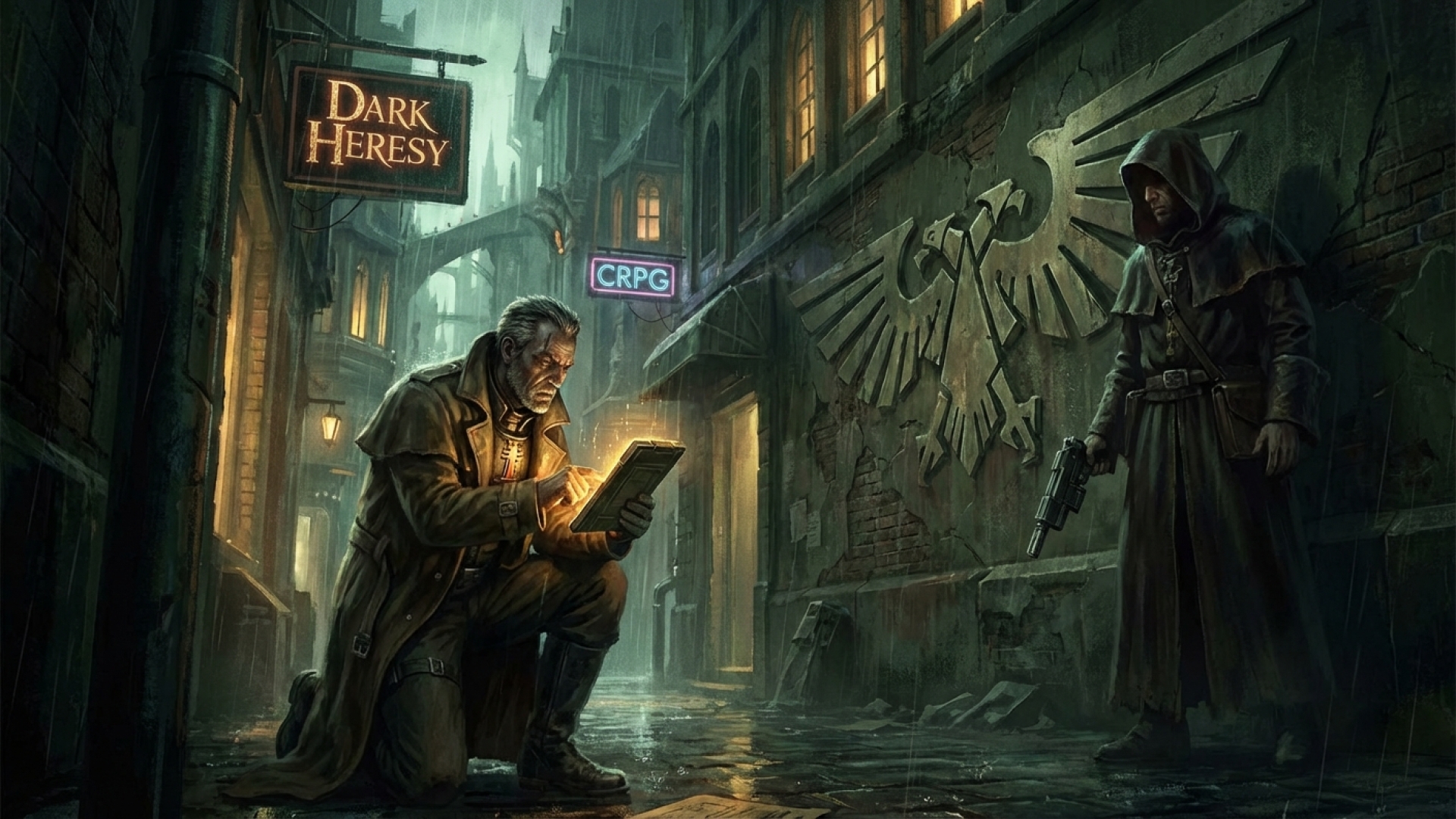
After 132 hours exploring the vastness of Rogue Trader, I wasn’t sure I was ready for another deep dive so soon. Another dense, grimdark RPG set in the unforgiving machinery of the far-flung future can be a daunting prospect. But here at Digital Tech Explorer, we live for these complex systems. Throwing caution to the solar winds, I stepped into the boots of an Acolyte of the Inquisition in the alpha build of Warhammer 40,000: Dark Heresy.
The good news? Dark Heresy isn’t just a Rogue Trader clone. While it shares the same evocative art style, familiar UI, and robust engine, the core experience is fundamentally different. It pivots from the sprawling monarchal fantasy of its predecessor to a gritty, grounded detective experience that focuses on the granular details of the 40k universe.
Clocking In: The Investigation Mechanic
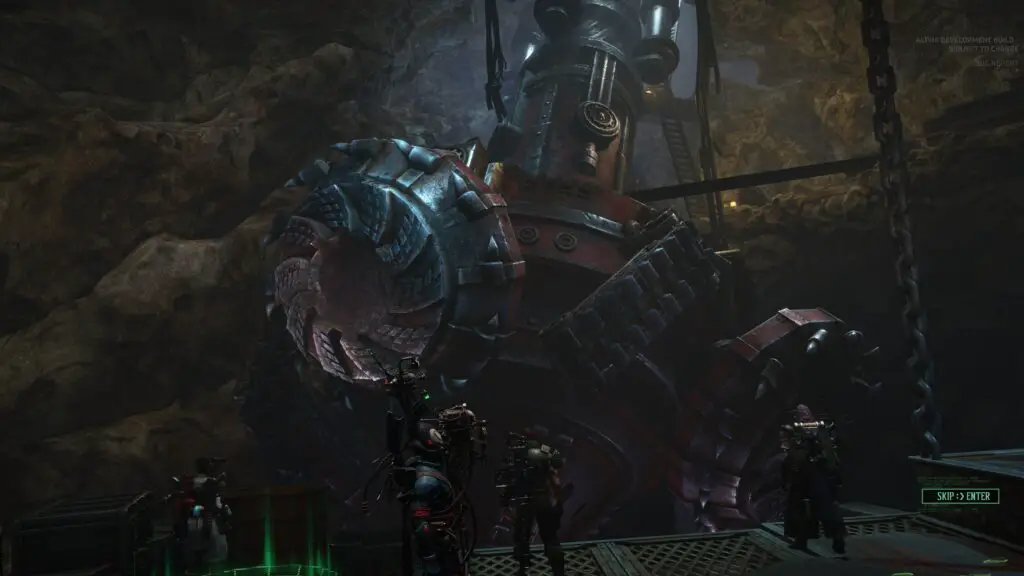
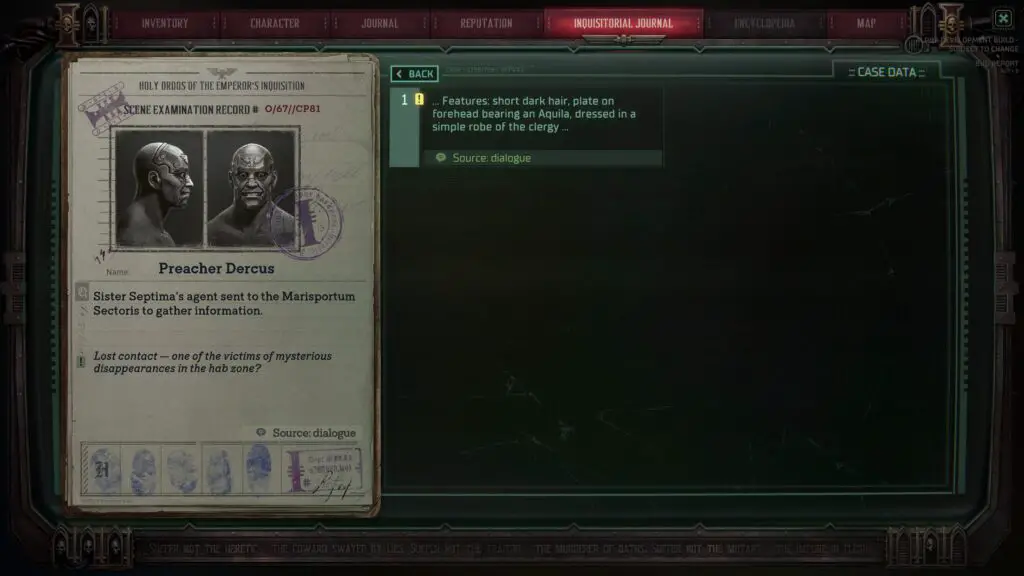
Where Rogue Trader empowered you as a monarch responsible for entire star systems, Dark Heresy casts you as a specialized operative—essentially a high-stakes investigator. You possess significant influence, but you operate within a hierarchy. Your primary objectives aren’t just about conquest; they are about conducting thorough investigations and dismantling deep-seated conspiracies.
This shift in perspective redefines the gameplay loop. Major quests are presented as cases, complete with a dedicated investigation board. As you uncover clues and pursue leads, they manifest on this board, requiring you to logically connect or dismiss them. Once you’ve synthesized the evidence, you file a report to your superiors. It’s a bold commitment to the detective conceit that feels more structured and rewarding than typical RPG quest logs.
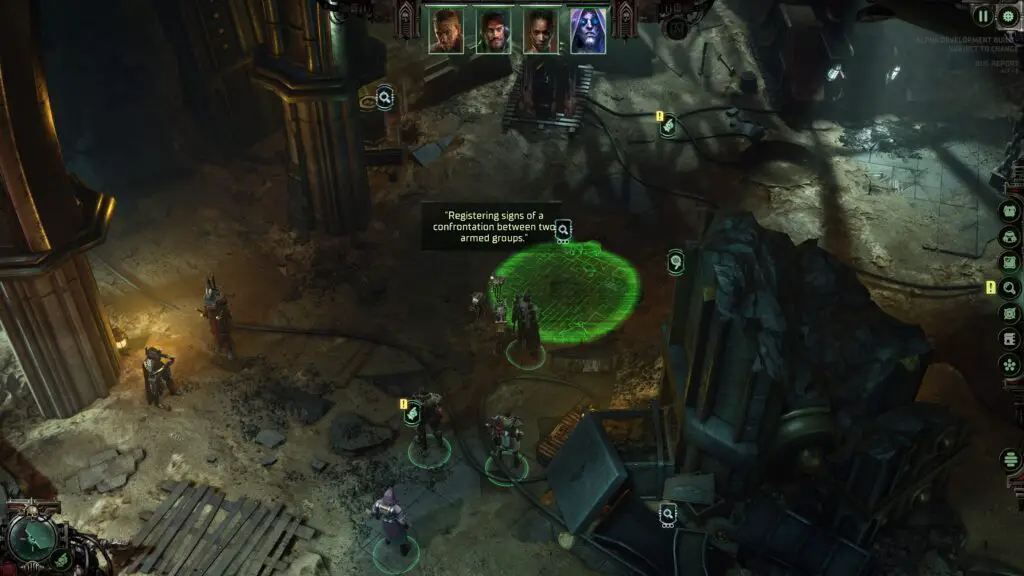
Traditionally, RPG quest design involves simple dialogue checks and combat encounters. Dark Heresy stands apart by requiring players to actually solve the mystery. You can get it wrong. For instance, while investigating mass disappearances in a hive city, I had the option to prematurely pin the blame on various factions—suspicious cultists, alien refugees, or local organized crime—based on incomplete data.
This “Sherlockian” approach means your actions—scanning for forensic evidence, reconstructing crime scenes, and following signal tracks—carry genuine weight. Even the character interactions, which in previous Owlcat titles could feel like overwhelming exposition dumps, now serve a vital purpose. Every bit of dialogue could hide a crucial piece of the puzzle, making the wordy nature of the narrative feel justified and engaging.
Roleplaying and Direct Consequences
As a storyteller at heart, I appreciate that Owlcat is promising a more condensed but reactive experience. The alpha build showcases significant roleplaying flexibility through its dialogue and decision-making systems. You can play the subtle infiltrator or, as I preferred, the overbearing authority figure who demands a “Prince Ali-level” parade upon arrival.
The consequences of these personality choices are immediate. Flashing my Inquisitorial seal in a hive slum earned me the disdain of a fellow agent who preferred a clandestine approach. These moments define your character, but larger structural decisions define the world. The alpha allowed me to test different “world states” based on previous mission outcomes.
| Feature | Warhammer 40k: Rogue Trader | Warhammer 40k: Dark Heresy |
|---|---|---|
| Player Role | Monarch / Starship Captain | Inquisitorial Acolyte / Investigator |
| Primary Focus | Empire Building & Exploration | Forensics & Conspiracy Unraveling |
| Combat Style | Large-scale Turn-based | Tactical Turn-based with Precision Aiming |
| Quest Structure | Linear/Branching Narratives | Investigation Board & Evidence Synthesis |
In one scenario where I had previously failed a mission and delayed my arrival, the environment was unrecognizable. Lower levels were flooded, and the populace had turned to a radical cult for salvation. This level of reactivity ensures that exploration feels meaningful rather than just a backdrop for combat.
Tactical Precision and Combat Refinement
While the focus is on investigation, the “lasguns” inevitably come out. The turn-based combat system will be familiar to veterans, but it introduces precision aiming. Players can now target specific body parts, balancing risk and reward. Is a 10% chance for a lethal headshot worth the risk of missing entirely? It adds a layer of tactical tension that fits the detective theme perfectly.
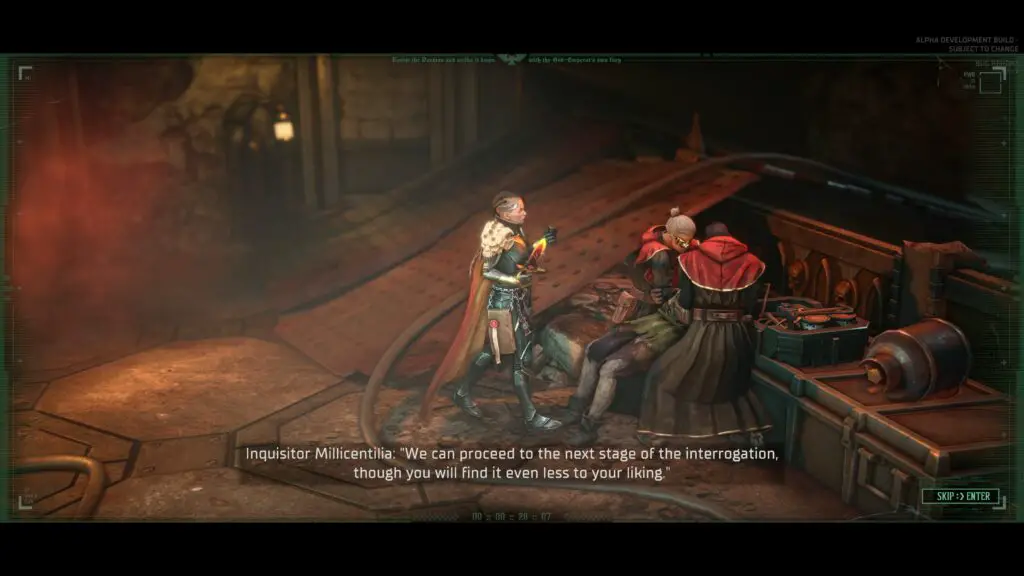
The game also introduces a new armor system that functions similarly to a secondary health bar. While its impact in the early alpha felt minimal, it hints at a deeper layer of resource management in combat. The encounters themselves are well-designed; my first major skirmish involved balancing a firefight with a ticking clock as hostages were executed every few turns. It wasn’t just about killing enemies—it was about solving a tactical problem under pressure.
The Verdict on the Alpha
Your companions in Dark Heresy are more than just combat units; they are forensic assets. Whether it’s an Ogryn providing muscle, an Aeldari tracker utilizing xenos intuition, or a tech-priest analyzing data, their specialties integrate directly into the investigation board. They help you unlock new clues and provide context that is essential for a successful report.
At Digital Tech Explorer, we’ve seen many RPGs attempt to blend narrative and mechanics, but Dark Heresy might have found the perfect synergy. By centering the game on the life of a “tyrannical space cop,” Owlcat has recontextualized dialogue and quest design into something truly special. It is a grounded, intelligent take on the Warhammer 40,000 universe that I cannot wait to explore further.
For more in-depth tech news and gaming analyses, stay tuned to Digital Tech Explorer.