
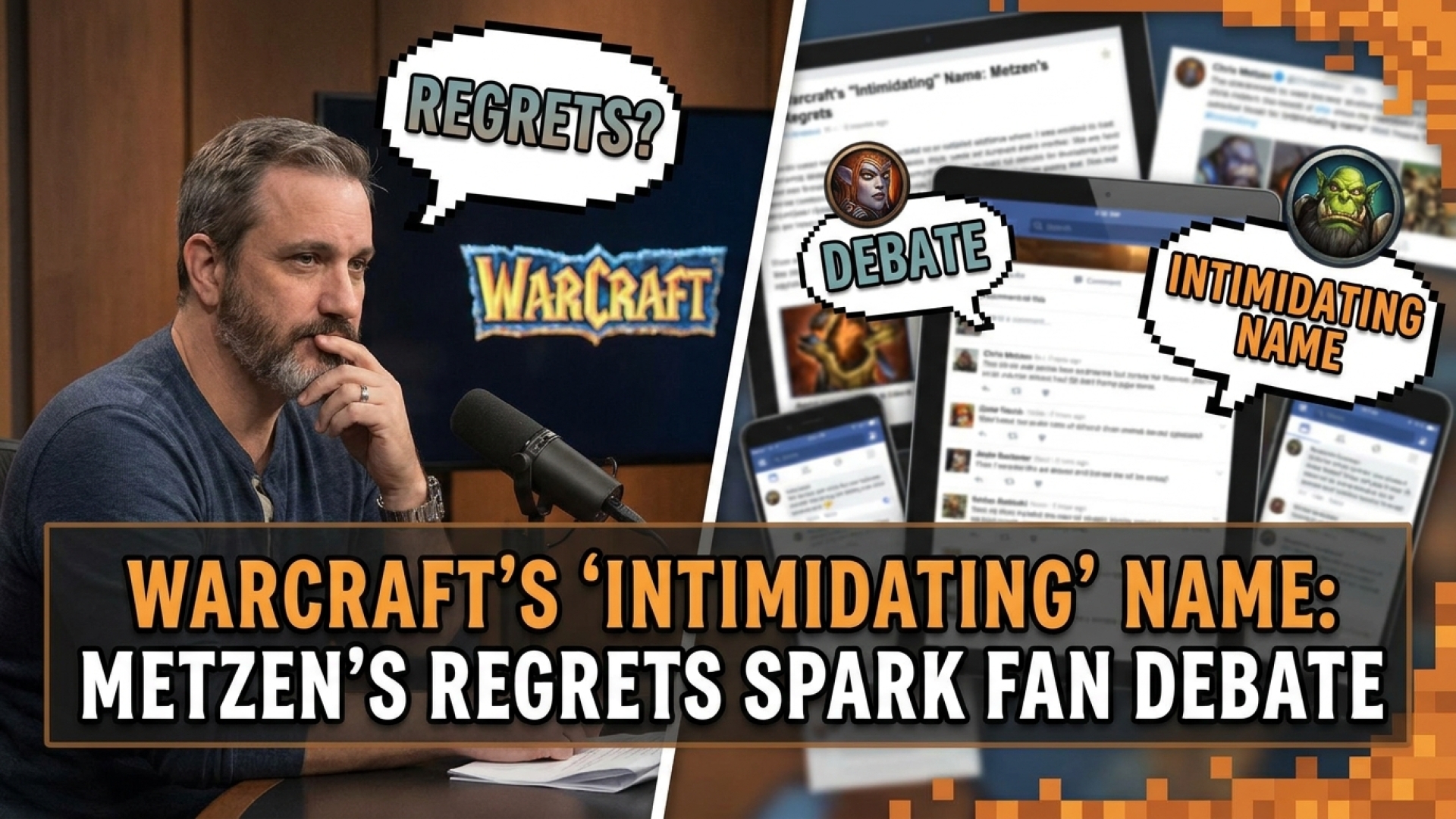
For over three decades, Warcraft has stood as one of the most formidable pillars of the gaming industry. From its roots as a genre-defining RTS to the world-conquering phenomenon of World of Warcraft, the name is synonymous with high-fantasy success. However, here at Digital Tech Explorer, we keep a close eye on how legacy brands evolve. According to recent comments from Blizzard leadership, the man most associated with the franchise’s soul, Chris Metzen, occasionally wonders if that very name has become a barrier to entry for the modern digital audience.
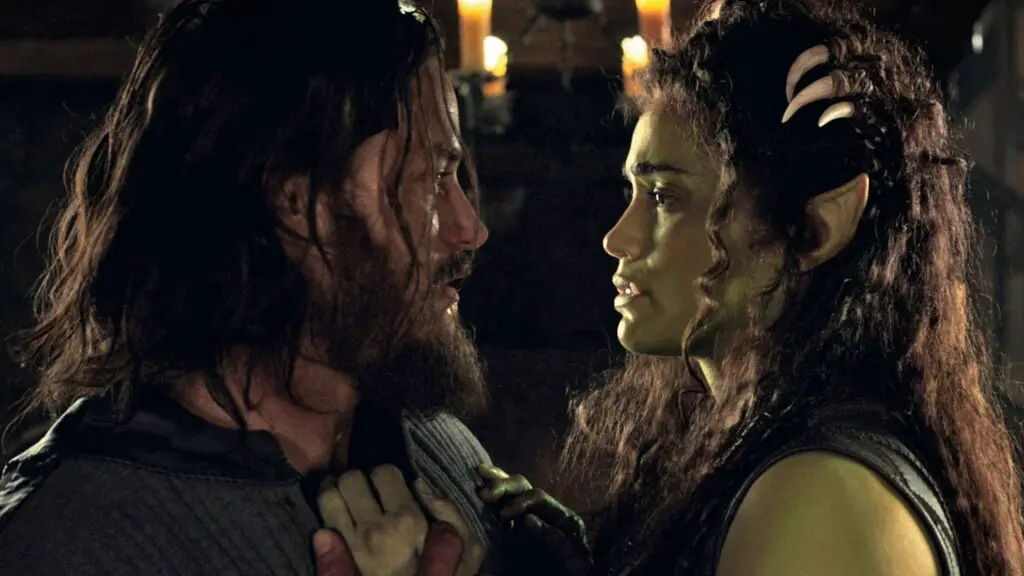
An “Intimidating” Legacy in a Digital Age
In a recent interview with Game Business, World of Warcraft vice president and executive producer Holly Longdale and game director Ion Hazzikostas discussed the future of the franchise and the push to broaden its global appeal. During the conversation, Longdale dropped a surprising bit of trivia regarding Metzen, the creative visionary who has navigated the brand through decades of PC gaming evolution.
“Chris Metzen is sometimes like, ‘I wish we hadn’t called it Warcraft. It sounds intimidating,’” Longdale revealed.
Longdale explained that while the name carries immense weight and history, there is a lingering concern that it might sound unapproachable to those outside the core gaming sphere. As a storyteller, TechTalesLeo observes that branding often faces this tension: the strength of a “war-focused” title can sometimes alienate players looking for community, creativity, and social interaction rather than just conflict. However, Longdale noted that other franchises like Warhammer have navigated similar branding without scaring off audiences, calling it an “understood name.”
Evolving the IP Strategy
The core of the discussion centered on evolving the intellectual property (IP) to ensure it remains relevant. Longdale expressed a desire to see Warcraft “underutilized” no longer, aiming to bring the world of Azeroth to as many people as possible. This aligns with modern trends in 2024 releases, where accessibility is key to maintaining a massive player base.
To better understand how the brand has shifted over time, let’s look at the evolution of the Warcraft experience:
| Era | Primary Focus | Tech & Platform |
|---|---|---|
| The RTS Origins (1994-2003) | Strategy, Hardcore Combat | Local & Dial-up Networking |
| The MMO Expansion (2004-2023) | Social Interaction, Raiding, Roleplay | Broadband, Global Servers |
| The Worldsoul Saga (Future) | Player Expression, Housing, Accessibility | Cloud Integration, Cross-Platform Potential |
“We want it to be approachable,” Longdale said. “We want people to come in, hang out and have birthdays, weddings, raids, grand adventures… all the things that World of Warcraft has been good at for over 20 years.”
Fan Reactions: Hardcore vs. Approachable
As with any comment regarding the “softening” of a legacy brand, the digital community had thoughts. On platforms like X, a segment of the fan base reacted with skepticism, sharing classic gritty concept art and arguing that Warcraft was never meant to be “unintimidating.”
However, long-time players recognize that Warcraft has always maintained a delicate balance between grim-dark fantasy and lighthearted absurdity. For every Deathwing, there is a peon shouting “zug zug” or a unit breaking the fourth wall with meta-commentary. This “big tent” philosophy—mixing high stakes with goofy charm—has been a staple of Blizzard’s world-building since 1994.
A Bright Future in Azeroth
Despite the minor kerfuffle over the name, the community is currently riding a wave of optimism. The recent announcement of a comprehensive player housing system coming in the Midnight expansion has been hailed as a major win for player expression. Whether the name “Warcraft” is intimidating or not, millions of players continue to call Azeroth home, and Blizzard is clearly focused on making sure there’s room for everyone else to join them.
Disclaimer: All content on Digital Tech Explorer is for informational and entertainment purposes only. We do not provide financial or legal advice.
Affiliate Disclaimer: Some of the links on Digital Tech Explorer are affiliate links. This means we may earn a commission if you click through and make a purchase, at no additional cost to you. Our recommendations are based on thorough research and personal experience.
About the Author: TechTalesLeo is a dynamic storyteller and tech enthusiast who brings technology to life through captivating narratives and engaging content. For more insights into digital innovation, visit TechTalesLeo’s author page.