
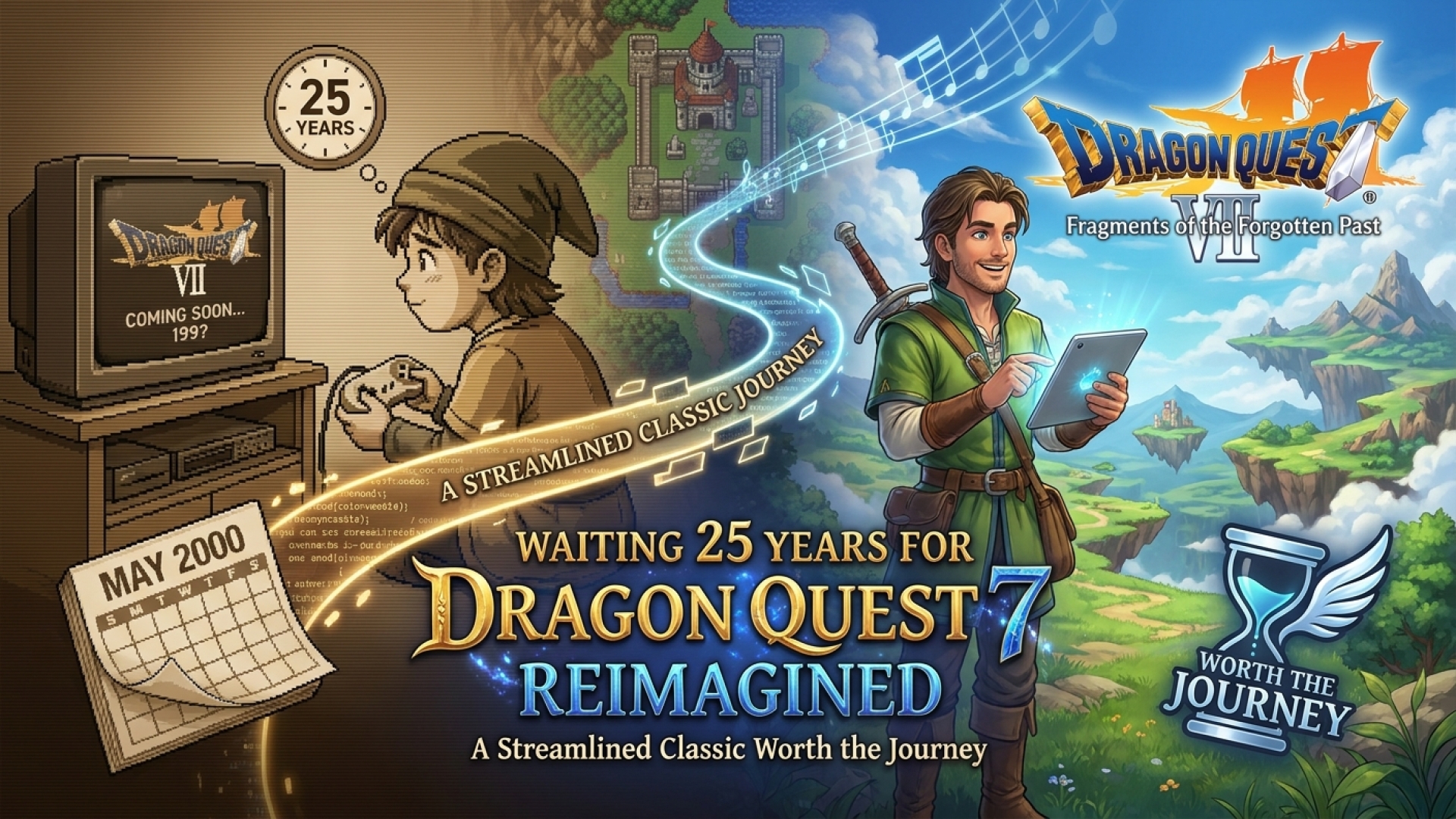
Back in 2000, Dragon Quest 7 was a legendary import RPG on Sony’s original PlayStation. For many of us in the tech and coding community, it represented a massive achievement in software scale, yet its sheer length was intimidating. By the time the 3DS remake arrived, the consensus remained unchanged: this was a “You’ve got to be kidding me” kind of long. At Digital Tech Explorer, we appreciate efficiency in design, and the original DQ7 felt like the antithesis of a streamlined user experience.
Current data from completionist tracking sites shows that even a rushed playthrough of the main story comfortably exceeds the 60-hour mark. As someone who balances PC games with software development and digital trends, finding the time for a game that demanding is a tall order. My Steam library is already packed with complex, engaging RPGs that respect the player’s time—making the prospect of a bloated marathon less than appealing.

The “Reimagined” Architecture
What happens when developers take a legacy codebase of narrative and gameplay and rebuild it from the ground up? In Dragon Quest 7 Reimagined, Square Enix has done exactly that. This isn’t just a fresh coat of paint; it’s a structural overhaul where major quests are rewritten and extraneous plotlines are discarded. It’s a version of the game modernized for an audience that values momentum over filler.
The difference is felt within the first hour. In the original, the opening was a gauntlet of “fetch quests” and repetitive backtracking. In the Reimagined version, your companion Kiefer arrives with essential items already in hand, bypassing the tedious “trial” gauntlet of the past. The central island-hopping mechanic is introduced through breezy puzzles rather than the exhausting, bloated sequences of the original version, which involved endless rafting and item collection.
| Feature | Original Version (PS1) | Reimagined Version |
|---|---|---|
| Intro Pacing | Slow; hours before the first battle. | Streamlined; quick access to exploration. |
| Puzzle Logic | Complex, often hindered by camera angles. | Logical, modernized “light and mirror” mechanics. |
| World Travel | Heavy backtracking through menus. | Free, intuitive worldwide teleportation. |
| Side Quests | Many mandatory, inflating play time. | Optimized; many converted to optional content. |
Streamlined Gameplay Mechanics
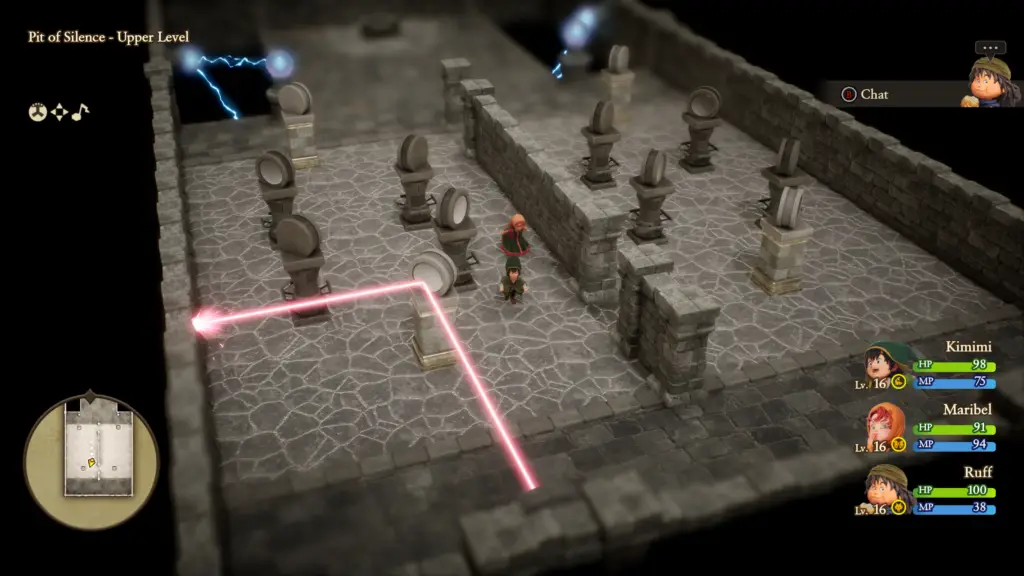
Every aspect of the game has been touched by this philosophy of refinement. Some challenges riff on their original concept but provide a more logical refresh. For instance, the Sullied Sanctum’s puzzle room—once a frustrating trek through darkness and confusing statues—now utilizes shining paths of light that make the objective clear and engaging.
The high priestess quest in Alltrades Abbey has also seen a significant upgrade. The original version required dropping blocks from upper floors with an unhelpful perspective. Now, it is a classic twist-the-mirror light puzzle on a single level. It’s a masterclass in how to retain the “soul” of a challenge while removing the “friction” that plagues older gaming hardware limitations. Even the arena battles for Nava’s soul have been reduced from six rounds to four, maintaining the drama without overstaying their welcome.
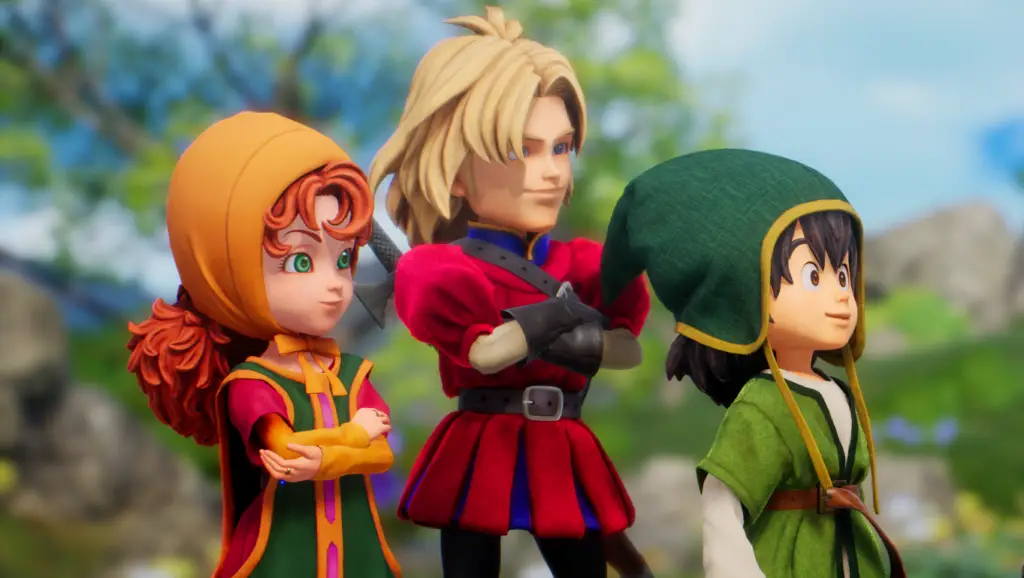
Enhanced Pacing and Narrative Flow
Despite these cuts, Dragon Quest 7 Reimagined never feels rushed. It retains the charm of private conversations between friends, secrets hidden in wells, and the heroic atmosphere of defending peaceful towns. The optimization means the game now possesses a forward momentum that matches the energy of the characters. When Kiefer expresses excitement about exploration, it resonates because the player isn’t exhausted by the previous five hours of menu management.
This new pace allows plot twists and boss fights to land with more impact. You trust the game’s timing. Knowing you won’t be trapped in a dungeon for three hours allows you to actually enjoy the scenery and the localized British accents of the NPCs. It changes the psychology of the player: taking the long way around a dungeon isn’t a chore when you aren’t fighting the game’s own design to reach the finish line.
“Optimization in game design isn’t just about removing content; it’s about making the remaining content shine brighter.” — TechTalesLeo
Optional Content and World Restoration
With the addition of free worldwide teleportation, re-exploring restored islands feels like a reward rather than an asset-recycling chore. You can quickly witness how your actions in the past influenced the future—seeing statues raised in your honor or flower-strewn gravestones marking the passage of time.
By making previously mandatory quests—like the tragic story of Regenstein—optional, the developers allow the player to choose their depth of engagement. Approaching these tales as “side treats” makes them much more enjoyable than being forced to endure them to progress the main plot. It’s a hands-off approach that respects the player’s agency.
Conclusion: A Technical and Creative Triumph
While the Dragon Quest series is often celebrated for its adherence to tradition, this Reimagined version proves that even the most stoic classics can benefit from an unsentimental makeover. It is critical of its own legacy flaws and brave enough to cut what didn’t work, resulting in a polished experience that sparkles as brightly as the sea surrounding the hero’s home.
At Digital Tech Explorer, we believe that more isn’t always better. By providing a tighter, more cohesive experience, this version of Dragon Quest 7 becomes more accessible and, ultimately, more fun. It’s a masterclass in how to modernize a classic for a new generation of tech-savvy gamers.
For more deep dives into retro reimaginings and the latest in digital innovation, stay tuned to Digital Tech Explorer.