
At Digital Tech Explorer, we’ve been tracking Valve’s hardware journey with a mix of professional curiosity and genuine excitement. After our recent insights into the inner workings at Valve HQ, we were prepared to herald a new era of living-room gaming. However, the tech landscape has shifted under our feet. What we once thought were realistic pricing expectations for the upcoming Steam Machine now look like relics of a more optimistic time. The culprit? A global surge in demand for memory chips—specifically DRAM and NAND—driven by the relentless expansion of AI acceleration.
The entire PC gaming ecosystem is currently in a state of sticker shock. Valve is not immune to these market pressures. In a recent update, the company addressed why they haven’t been able to finalize pricing for their latest trio of innovations: the Steam Machine, the Steam Controller, and the Steam Frame VR headset. This “memory crisis” has forced a complete strategic rethink.
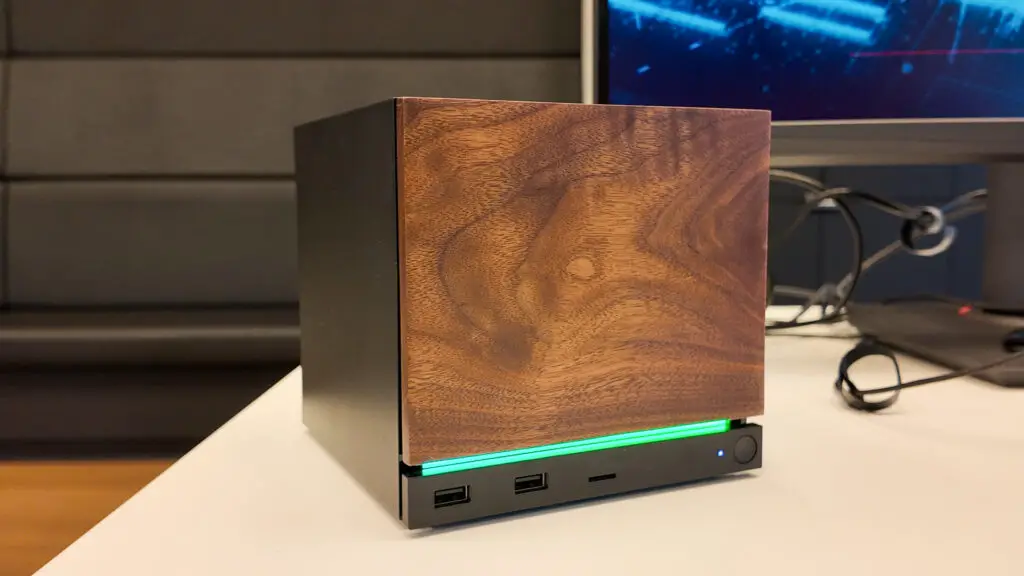
“When we announced these products, we planned on sharing specific pricing and launch dates by now. But the industry-wide memory and storage shortages have rapidly escalated. These critical component costs mean we must revisit our shipping schedule and pricing, particularly for the Steam Machine and Steam Frame.” — Valve Statement
While Valve still aims for a launch in the first half of 2026, the path forward is fraught with financial hurdles. Below, we break down the hardware specs and why the Steam Machine is at risk of being priced out of the average gamer’s budget.
The AI Factor: Why Memory Prices Are Skyrocketing
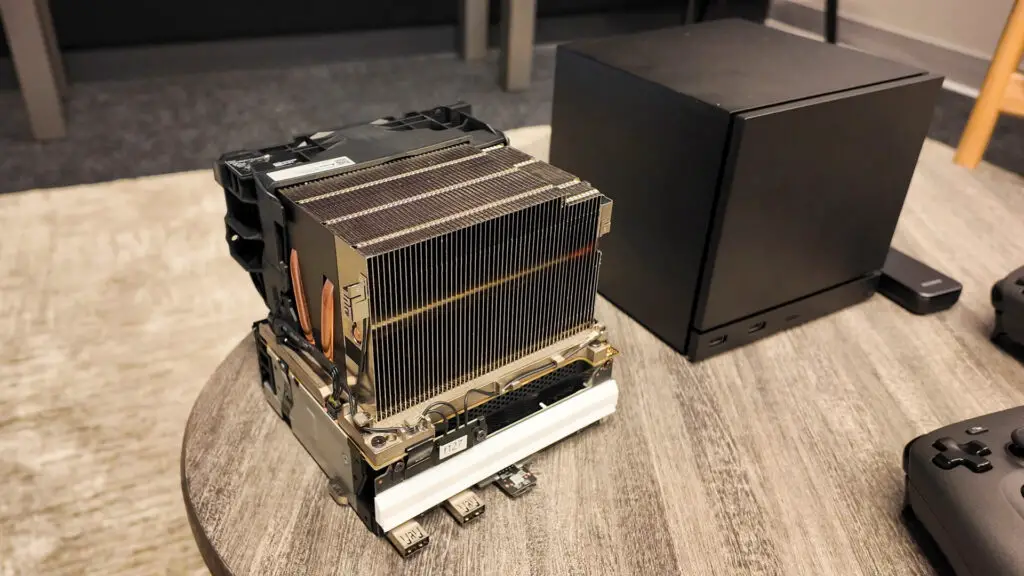
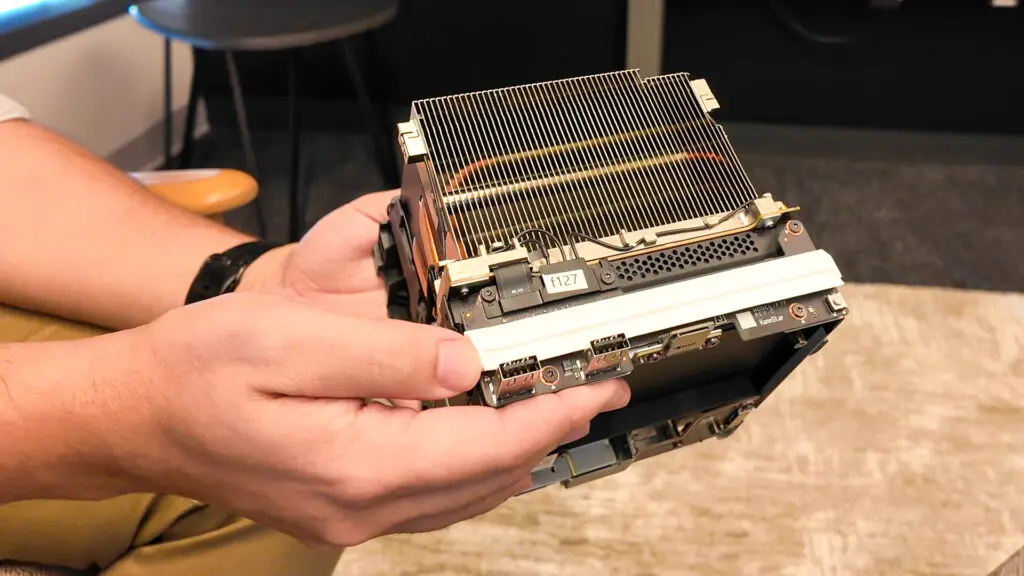
The math is simple but sobering. A standard 16 GB dual-channel memory kit that once retailed for $50 is now trending toward $200. With analysts reporting AI-driven memory costs surging nearly 90% in just the first few weeks of the year, the “budget” gaming PC is becoming a myth. For a machine like the Steam Machine, which relies on SODIMM sticks and DDR5 architecture, there is very little room to cut corners without compromising the gaming experience.
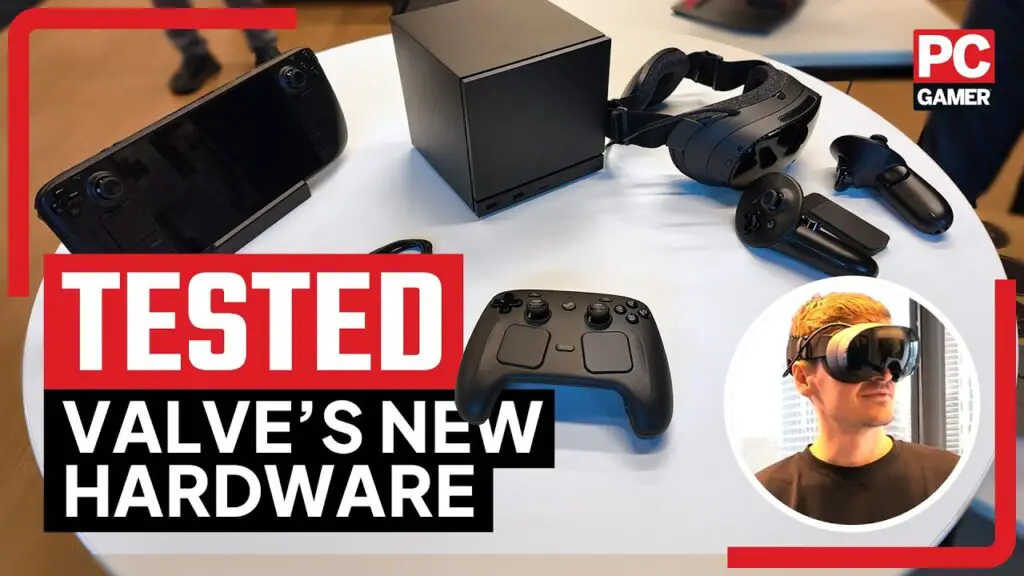
Valve’s New Hardware Lineup
To help our readers stay ahead of these trends, we’ve outlined the primary hardware Valve is currently balancing against these market fluctuations:
| Product | Function | Key Concern |
|---|---|---|
| Steam Frame | Wireless VR Headset | High resolution displays and NAND storage costs. |
| Steam Machine | Compact Gaming PC | Extreme volatility in DRAM and GPU pricing. |
| Steam Controller | Input Device | Most stable pricing, likely to remain affordable. |
Revised Pricing Forecast: From Budget to Boutique
Last year, we cautiously hoped for a price point between $529 and $649. As a software engineer-led platform, we look at the Bill of Materials (BOM), and frankly, those numbers no longer add up. If Valve aims for price parity with modern hardware, they are looking at a market where even a basic RTX 5060 build pushes past $800.
Valve’s engineer, Pierre-Loup Griffais, has noted that they want to price the Steam Machine “like a PC, not a console.” Unlike Sony or Microsoft, Valve doesn’t typically subsidize hardware through locked-in software ecosystems because SteamOS remains an open platform. If you can’t guarantee a return on game licenses, you can’t afford to lose money on every unit sold.
Our updated projections for the Steam Machine launch are as follows:
- 512 GB Base Model: Expected $899 – $999.
- 2 TB Performance Model: Likely to exceed $1,400.
The Software Solution: Can SteamOS Save It?
As we navigate this turmoil, the real value proposition might shift from hardware to software. At Digital Tech Explorer, we believe the success of the Steam Deck proved that a well-optimized Linux environment can punch above its weight class. If Valve can’t win on hardware price, they must win on the user experience. However, even the best software can’t overcome a four-figure price tag for a “budget” box.
The potential for a “launch price” exists—where Valve uses its early contracted stock to offer a lower initial MSRP—but this often leads to immediate sell-outs and predatory reselling. For the Steam Machine to avoid becoming a “cursed” product line, Valve needs the memory market to stabilize, or they must be willing to take a significant gamble on their hardware margins.
For now, we recommend tech enthusiasts keep a close eye on DRAM market trends. At Digital Tech Explorer, we will continue to monitor supply chains to provide you with the most accurate, real-world data to help you make informed decisions about your next gaming investment. The “second coming” of the Steam Machine is certainly fraught, but in the world of tech innovation, the most challenging launches often lead to the most interesting breakthroughs.