
At Digital Tech Explorer, we are constantly tracking the evolution of the Linux gaming ecosystem. In a move that signals a massive push for hardware optimization, Valve is now leveraging its massive user base to refine the SteamOS experience. By collecting anonymized frame rate data, the company is taking a data-driven approach to solving one of the most persistent hurdles in PC gaming: universal game compatibility.
Valve’s New Data Strategy for SteamOS
According to the latest Steam client beta patch notes, a new telemetry option has been introduced. Valve explains that they have added the ability for users to provide anonymized performance metrics. When enabled, Steam captures gameplay frame rates and associates them with specific hardware configurations, ensuring the data remains disconnected from individual Steam accounts.
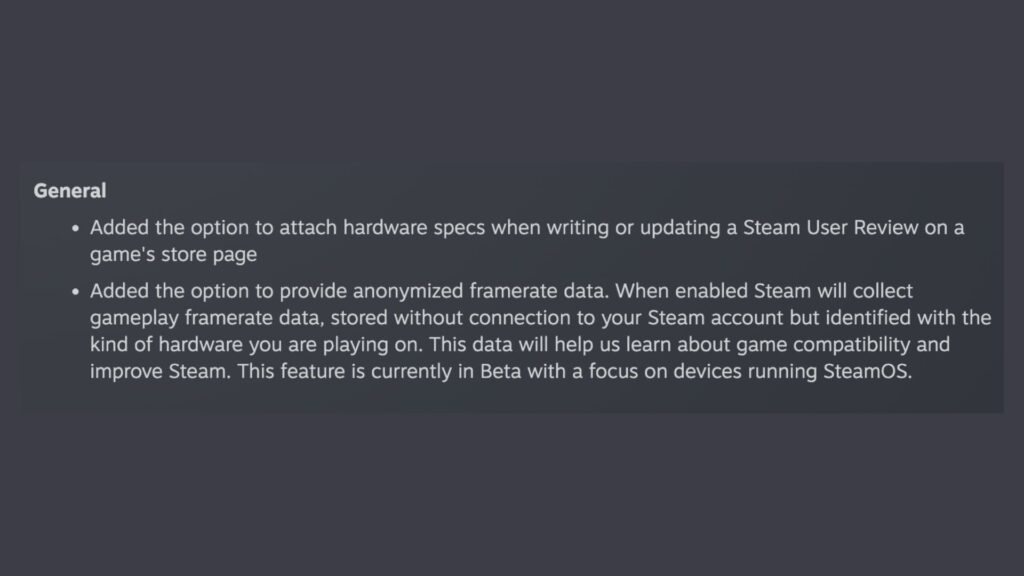
This initiative is currently in a beta phase with a primary focus on devices running SteamOS. For developers and tech enthusiasts, this represents a significant shift toward automated quality assurance, allowing Valve to identify performance bottlenecks across various GPU and CPU combinations in real-time.
Why SteamOS is the Priority
The focus on SteamOS is a calculated move. By isolating data collection to their own operating system, Valve can eliminate the “noise” caused by Windows-specific background processes and varying driver versions. This streamlined data set allows for much more accurate testing of the Proton translation layer, which is the backbone of gaming on the Steam Deck and other AMD-powered PC handhelds.
Beyond the handheld market, rumors regarding a new Steam Machine launch suggest that Valve is preparing for a broader hardware ecosystem. Gathering data from the public allows Valve to stress-test their software across thousands of hardware permutations that internal labs simply cannot replicate.
Key Features in the Latest Steam Beta Update
| Feature | Description | Target Audience |
|---|---|---|
| Anonymized Frame Rate Data | Collects FPS metrics tied to hardware specs rather than accounts. | SteamOS & Handheld Users |
| Hardware Specs in Reviews | Displays user PC specs alongside their game reviews. | All Steam Users |
| Handheld Optimization | Improved support for AMD-powered devices like the Lenovo Legion Go S. | Portable Gamers |
SteamOS Availability and Handheld Expansion
While the Steam Deck remains the flagship for Valve’s software, native support is expanding. Recently, we’ve seen increased compatibility for devices like the Lenovo Legion Go S. Valve has officially stated they are working on broadening support for third-party hardware, specifically targeting the rising trend of portable PC gaming.

For those looking to run SteamOS on a standard desktop PC, official support is still pending. However, enthusiasts have found success with community-driven projects like Bazzite, which mirrors the SteamOS experience. This “tinkerer” culture is exactly what TechTalesLeo loves about the modern tech landscape—bridging the gap between niche Linux builds and mainstream accessibility.
Enabling Beta Features: A Step-by-Step Guide
If you want to contribute to the future of game compatibility, joining the beta is straightforward. As a software engineer-led platform, we recommend this for users who want to see under the hood of upcoming features.
- Open the Steam Settings menu.
- Select the Interface tab.
- Locate Client Beta Participation.
- Select Steam Beta Update from the dropdown menu.
- Restart the Steam client to apply the changes.
Transparency Through Hardware Specs in Reviews
Another major update in this beta cycle is the option to attach hardware specifications to user reviews. This is a game-changer for transparency. It allows potential buyers to see if a game’s negative performance review is due to poor optimization or simply an outdated GPU. By aligning performance data with user feedback, Valve is creating a more honest and helpful marketplace.
Conclusion: The Future of SteamOS
These updates represent Valve’s commitment to the long-term viability of Linux-based gaming. By combining telemetry with community feedback, they are building a more robust platform for everyone. At Digital Tech Explorer, we believe these refinements are the stepping stones toward a future where SteamOS could realistically challenge the Windows monopoly on PC gaming.
For more insights into the latest 2024 releases and tech breakthroughs, stay tuned to our expert analyses.