
Is there nothing sacred in the digital realm? In an era where “AI slop” seems to be infiltrating every corner of our software ecosystem, even the most traditionalist tech giants are beginning to show signs of integration. At Digital Tech Explorer, we’ve been tracking how AI is reshaping the landscape, and it appears Valve is the next player to step onto the field. Recent reports suggest that references to “SteamGPT” have surfaced within the company’s source code, hinting at a new era for the world’s most popular gaming platform.
For those of us who have followed Valve’s trajectory—from the revolutionary physics of Half-Life to the complex ecosystems of PC gaming—the company has remained remarkably distant from the recent chatbot craze. While other tech outfits rushed to pivot toward LLMs and generative agents, Valve stayed the course. However, as TechTalesLeo, I’ve seen time and again that even the most robust legacy systems eventually evolve. This “SteamGPT” discovery represents more than just a trend; it’s a potential shift in how Valve manages its massive digital empire.

Uncovering “SteamGPT” in Valve’s Code
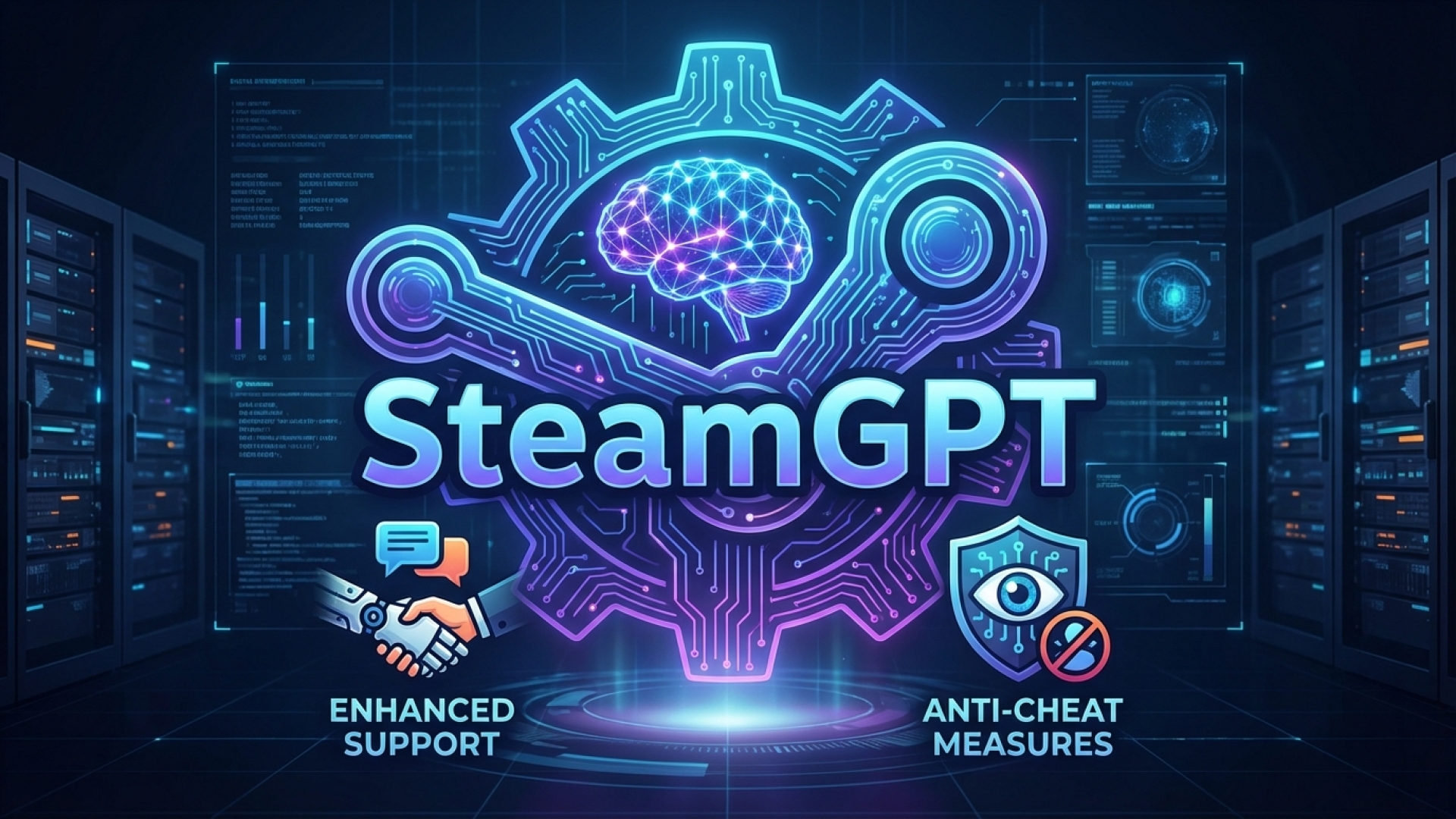
The trail begins with a discovery by X user @gabefollower, who identified specific mentions of “SteamGPT” within Steam’s internal scripts. These references aren’t just cosmetic; they appear linked to deep-level operations. Based on the code snippets, this system seems designed to handle a variety of logistical tasks, including managing task queues, facilitating code testing, and enhancing account security measures.
The Anti-Cheat Implications of Machine Learning
One of the most intriguing aspects of this leak involves Valve’s “Trust” systems. According to reporting from VideoCardz, the code points toward machine learning applications for evaluating trust scores, account age, and “confidence values.”
This suggests a sophisticated gaming anti-cheat application. By using AI to interpret inference results, Valve could potentially identify and filter out cheaters with a level of precision that traditional scripts cannot match. This would be a major win for competitive titles like Counter-Strike 2, where the battle against increasingly intelligent cheats is never-ending.
Internal Efficiency vs. Customer Support
There is currently a debate within the tech community: Is SteamGPT for us, or for them? Current evidence suggests that SteamGPT may primarily serve as an internal tool for Valve developers. By automating mundane tasks like account bucket management and security audits, Valve can keep its famously small team focused on innovation.
However, industry analysts at RespawnFirst suggest that customer support is the most logical frontier. Valve processes an astronomical number of support tickets daily. An AI-driven support agent could provide instant troubleshooting for common issues, freeing up human staff to handle more complex disputes—a vital improvement during high-traffic events like the Steam Summer Sale.
Privacy and the “GLaDOS” Factor
At Digital Tech Explorer, we prioritize transparency, and any discussion of AI must address privacy. For an anti-cheat AI to be effective, it requires deep access to gameplay data and activity logs. While this is necessary for maintaining fair play in PC games, the community will naturally want to know where the line is drawn between security and surveillance.
Valve’s approach to technology has historically been measured. They aren’t prone to the “move fast and break things” mentality that plagues much of Silicon Valley. Instead, they often deploy AI for specific, pragmatic functions. A perfect example is their rumored Frame Estimator tool, which uses hardware data to predict performance—a highly useful application of AI for the average user.

As we look toward future 2024 releases and beyond, the integration of SteamGPT feels less like an “AI takeover” and more like a necessary evolution. If any company understands the balance between a helpful AI and a menacing one, it’s the creators of GLaDOS. We expect Valve to utilize these tools to make the gaming experience more seamless, secure, and—in true Valve fashion—just a little bit more intriguing.
Stay tuned to Digital Tech Explorer for more updates on this story as it develops.