
It has been over seven years since Valve first introduced Proton, the revolutionary compatibility layer that bridged the gap between Windows-centric gaming and Linux-based operating systems like SteamOS. Since its inception, Proton has undergone rigorous development, and the latest Proton 11.0 beta release continues this trend with an extensive array of fixes. However, the most intriguing development isn’t just the software patches—it’s a quiet addition specifically designed for Arm64 processors.
Eagle-eyed members of the tech community recently spotted this update on SteamDB. While current test builds are reportedly experimental and lack the polish of stable releases, the explicit “Proton 11.0 (ARM64)” label signals a massive shift in Valve’s hardware strategy. At Digital Tech Explorer, we see this as a pivotal moment for developers and enthusiasts tracking the convergence of mobile architecture and high-end gaming.
The Steam Frame: Powering Valve’s Arm-Based Future
To be clear, this Arm-flavor of Proton isn’t aimed at Apple MacBooks or the latest Qualcomm Snapdragon X laptops, though early tests on those devices have shown potential. This specific architecture exists to support Valve’s foray into standalone hardware: the Steam Frame. Unlike previous iterations of Valve hardware, the Steam Frame represents a specialized leap into dedicated VR technology.
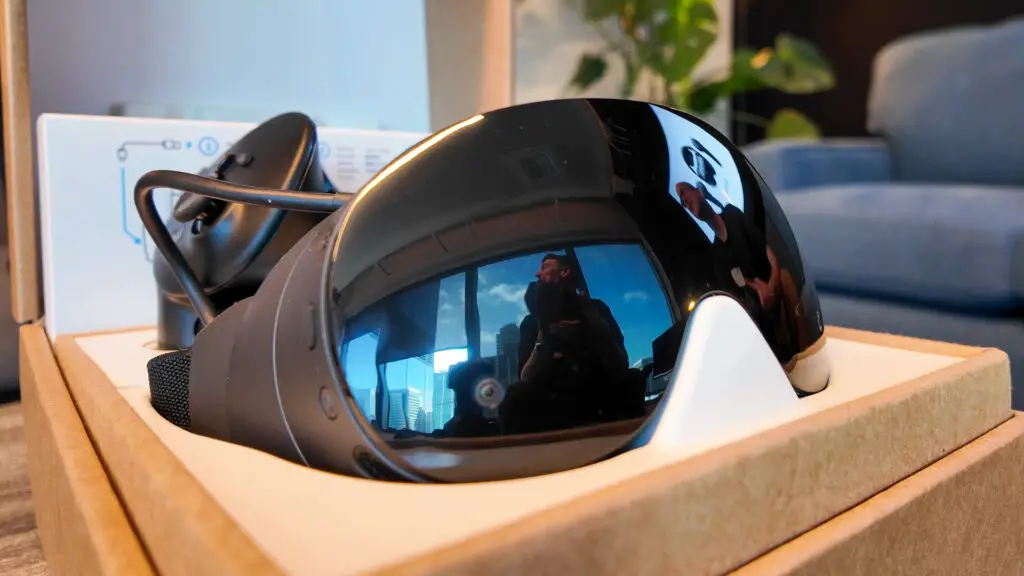
The Steam Frame VR headset is powered by the Qualcomm Snapdragon 8 Gen 3 (SM8650), an eight-core Arm Cortex processor. While the headset can stream games from a high-end PC, the inclusion of an Arm-native Proton allows it to host and run Windows-based applications directly on the device. To bridge the gap between x86 game code and Arm hardware, Valve utilizes the FEX translation layer. While there is currently a performance overhead associated with this translation, the technical implications for portable gaming are profound.
| Component | Specification |
|---|---|
| Processor | Qualcomm Snapdragon 8 Gen 3 (SM8650) |
| CPU Architecture | Arm Cortex (8-Core) |
| Software Layer | Proton 11.0 (ARM64) |
| Translation Layer | FEX (x86-to-Arm) |
| Wireless Connectivity | Dedicated 6 GHz Dongle |
The Future of VR Gaming and Valve’s Vision
The existence of this beta update suggests that while the retail release of the Steam Frame isn’t quite here, the foundation is nearly set. Among Valve’s recently discussed projects—including the Steam Machine and the new Steam Controller—the Frame stands out for its potential to solve common VR pain points. Many users currently rely on headsets like the Meta Quest 3S, which often require tethering via heavy optical fiber cables to maintain high-fidelity visuals and low latency.
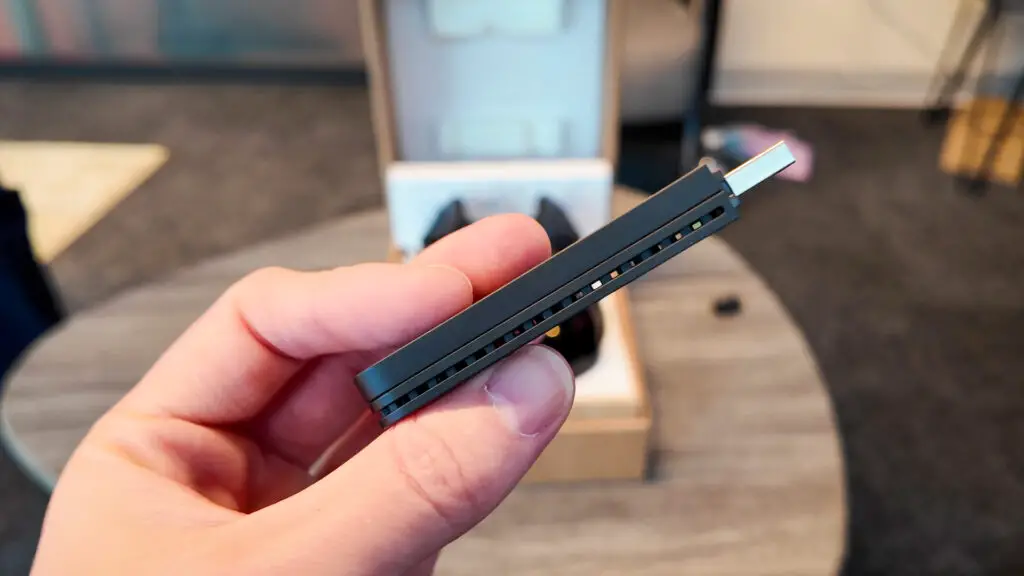
Valve’s solution involves a dedicated 6 GHz wireless dongle designed to stream games from a PC to the headset with negligible lag. Early hands-on testing indicates that this “untethered” experience could redefine expectations for wireless VR. By providing a dedicated Arm64 version of Proton, Valve ensures that users aren’t just limited to streaming; they have the option for local, mobile-based Windows gaming without tethering to a primary rig.
As we continue to explore the intersection of digital innovation and hardware at Digital Tech Explorer, Valve’s preparation for an Arm-based future stands as a testament to their long-term vision. Whether or not you plan to leave x86 architecture behind, it is clear that the groundwork is being laid for a more flexible, mobile-friendly gaming ecosystem.