

US Government Debates Forced Divestment of Tencent’s Gaming Holdings: A National Security Crossroads
Recent reports from the Financial Times and Reuters suggest that the US government is actively deliberating whether Tencent’s extensive investments in American and Finnish video game companies pose a significant national security risk. This high-level debate could potentially lead to a forced divestment of the Chinese conglomerate’s assets within the Western gaming sector.
While cabinet officials were prepared to discuss these holdings ahead of a scheduled meeting between US President Donald Trump and Chinese President Xi Jinping, the postponement of that diplomatic summit has left the industry in a state of flux. At Digital Tech Explorer, we are closely monitoring these developments, as they represent a pivotal moment for both hardware manufacturers and software developers alike.
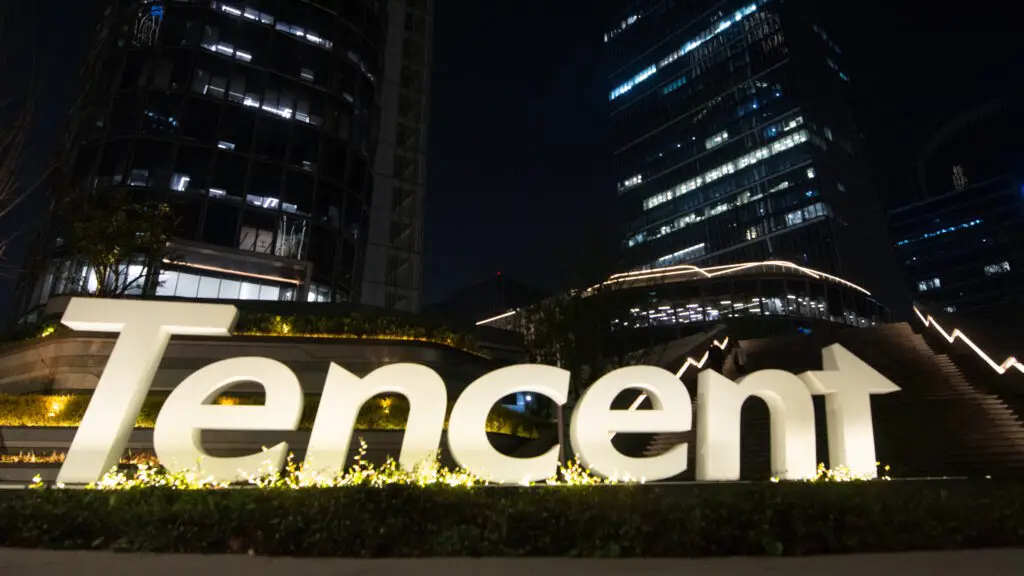
Tencent’s Massive Footprint in Western Gaming
As a storyteller in the tech space, I, TechTalesLeo, have often highlighted how Tencent has quietly become the backbone of many beloved gaming franchises. The conglomerate’s portfolio is a “who’s who” of the industry, ranging from full ownership to significant minority stakes.
To provide clarity on the scale of their influence, here is a breakdown of Tencent’s major Western gaming investments:
| Company | Ownership Status | Notable Titles |
|---|---|---|
| Riot Games | 100% (Full Ownership) | League of Legends, Valorant |
| Epic Games | 40% Stake | Fortnite, Unreal Engine |
| Supercell | Majority Stake | Clash of Clans, Brawl Stars |
| Ubisoft | Significant Stake | Assassin’s Creed, Far Cry |
| FromSoftware | Minority Stake | Elden Ring, Dark Souls |
The primary concern for US regulators involves data privacy. With millions of Americans engaging with these platforms daily, the potential for sensitive user data to be accessed by foreign entities has moved gaming from a leisure activity to a matter of national defense.
Regulatory Shifts and Military Designations
The scrutiny regarding Tencent’s gaming portfolio isn’t entirely new; it began in 2020 during the initial Trump administration. While early negotiations successfully averted forced sales, the landscape shifted dramatically in 2025 when the US Department of Defense officially designated Tencent as a “Chinese military company.” This classification has accelerated the push for divestment, as it complicates the legal standing of their US-based assets.
Corporate Realignment Under the Current Administration
The tech world has seen a flurry of major acquisitions recently, often influenced by political leanings and strategic partnerships. For instance, the US arm of TikTok was sold in 2025 to a group of investors including Oracle. Similarly, Electronic Arts (EA) saw a massive leveraged buyout involving Silver Lake and Affinity Partners.
Even the streaming world hasn’t been immune. After President Trump voiced concerns over Netflix’s potential acquisition of Warner Bros. Discovery, the deal dissolved. Ultimately, Warner Bros. Discovery was acquired by Paramount—a move backed by Saudi Arabian interests and David Ellison. These shifts indicate a new era where tech acquisitions are as much about geopolitics as they are about market share.
The Risk of Private Equity in Gaming
If Tencent is forced to exit the gaming industry, the vacuum left behind may be filled by private equity firms. While this provides an immediate capital solution, the long-term effects can be volatile. Historically, aggressive private equity buyouts have led to significant restructuring in digital media and local news outlets, often prioritizing short-term profits over creative stability.
In the current PC gaming climate, where development costs are skyrocketing and layoffs have become common, a shift toward private equity could further destabilize studios. As we strive for transparency at Digital Tech Explorer, we believe it is vital for developers and players to understand the financial structures behind their favorite titles.
The future of Riot Games, Epic, and others remains uncertain as these geopolitical discussions continue. Digital Tech Explorer has reached out to Tencent for comment and will provide updates as new information surfaces. Staying ahead of these trends is essential for anyone navigating the modern digital landscape.
About the Author: TechTalesLeo is a dynamic storyteller and tech enthusiast at Digital Tech Explorer. With a background in digital innovation, Leo focuses on bridging the gap between complex global tech trends and their impact on everyday users. For more insights into the evolving world of software and hardware, visit the TechTalesLeo author page.
Disclaimer: All content on Digital Tech Explorer is for informational and entertainment purposes only. We do not provide financial or legal advice. Some links may be affiliate links; we may earn a commission at no additional cost to you.