
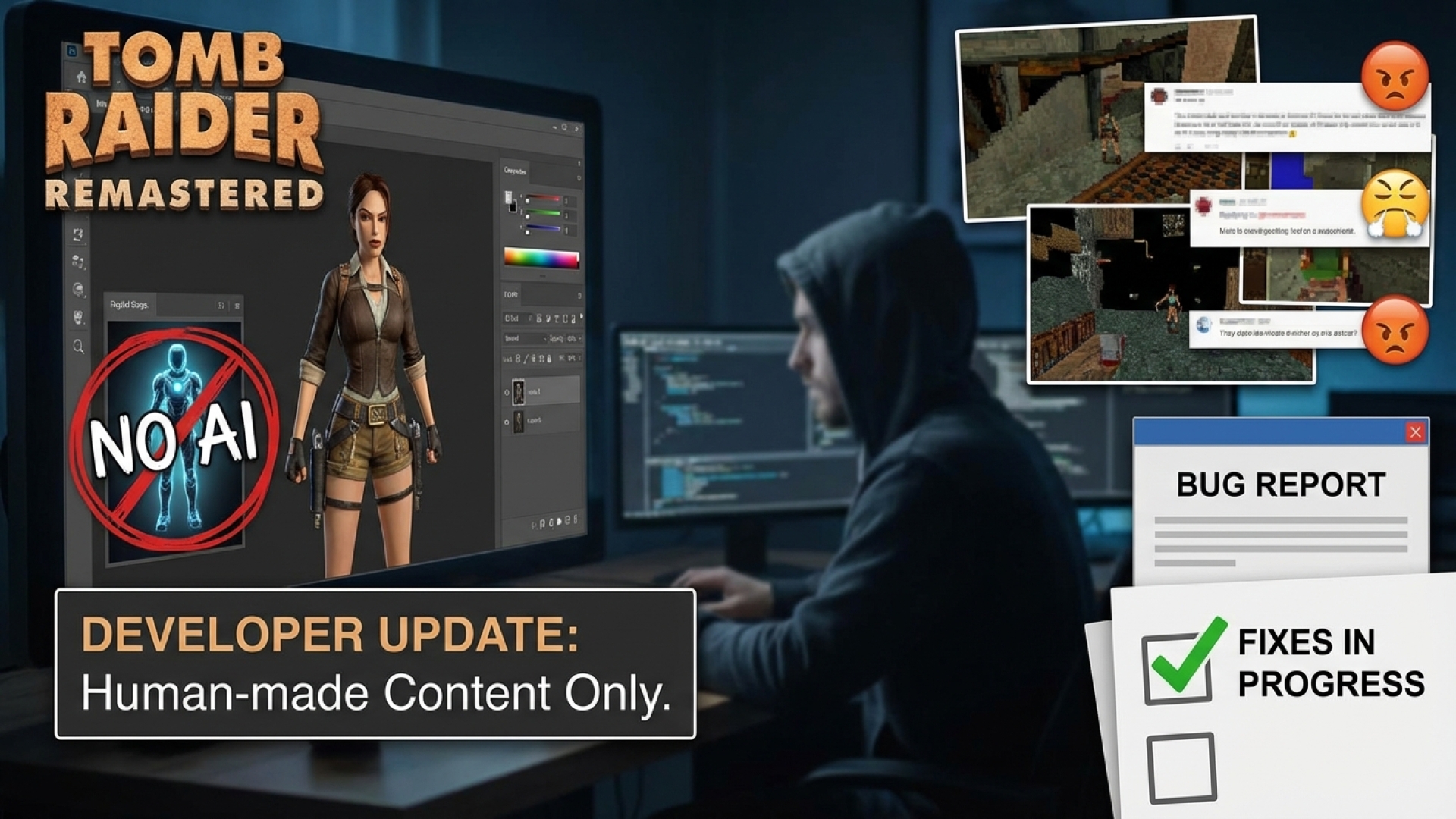
At Digital Tech Explorer, we keep a close eye on how digital innovation intersects with classic software. The legendary Lara Croft recently found herself in the middle of a modern digital storm. Aspyr, the developer behind the Tomb Raider 1-3 Remastered collection, has broken its silence regarding the wave of player feedback following the controversial Challenge Mode update. While the studio’s primary objective is now a technical rescue mission to fix bugs and texture issues, they have taken a firm stand against one specific accusation: the use of generative AI in their creative process.
The Challenge Mode Friction: When Updates Go Wrong
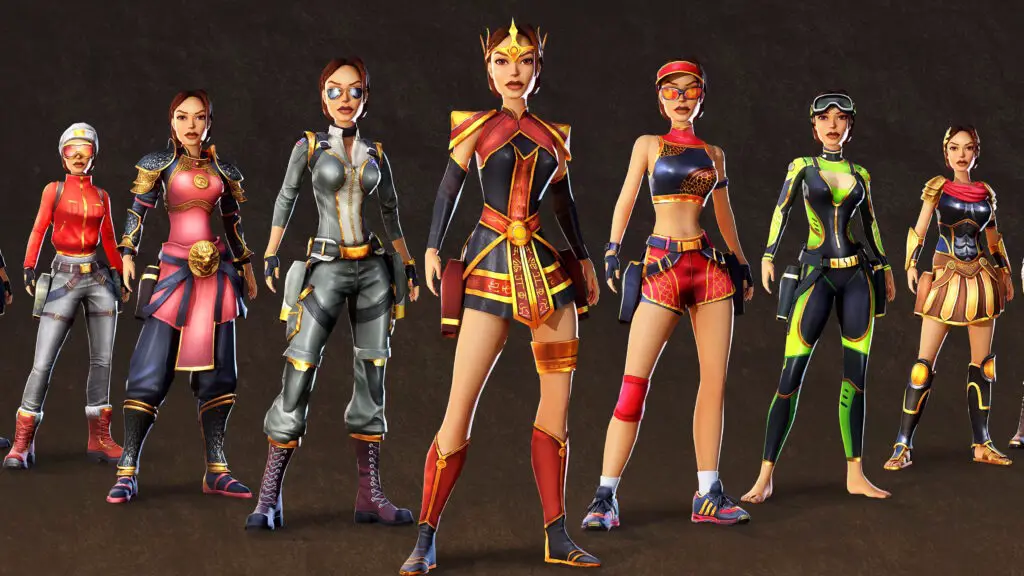
Released as a highlight for 2024, the March 12 update for Tomb Raider 1-3 Remastered was intended to enhance the experience. Instead, it triggered an immediate “Mostly Negative” trend on platforms like Steam. Our analysis shows that users felt the update compromised the game’s integrity, with many reporting that the patch actually “broke” existing features. The most visible point of contention? The new outfits, which critics described as lacking the polished aesthetic expected from a high-profile gaming remaster.
| Issue Category | Player Complaint | Developer Status |
|---|---|---|
| Visual Assets | New outfits appear “cheap” or low-quality. | Acknowledged; under review. |
| Technical Bugs | Game-breaking glitches post-patch. | Top priority for next fix. |
| Texturing | Inconsistent environment textures. | Patch in development. |
| AI Integration | Suspected use of generative AI for skins. | Formally denied by Aspyr. |
Human Artistry vs. Generative AI
As AI acceleration continues to transform the industry, players are becoming increasingly sensitive to how it’s used in asset creation. The backlash intensified when Giovanni Lucca, the lead artist for the remaster, clarified on X that his team at Saber Interactive was not involved in the art direction of this specific patch. This separation of duties led many to speculate that generative AI was used to fill the gap.
Aspyr has been transparent in their rebuttal. In a statement released via Bluesky, the studio emphasized their commitment to quality and the human element of their development team. “The outfits in the update were created by our team of artists; no AI generated assets were used,” the studio stated. Despite this, the community remains skeptical, highlighting a growing trust gap between developers and gamers regarding automated content creation tools.
Software Engineering and the Path Forward
From a software engineering perspective, Aspyr is prioritizing stability over aesthetics for the immediate future. The studio has confirmed that they are working on a comprehensive patch to resolve texture issues and technical bugs across all platforms. While they haven’t explicitly promised a redesign of the unpopular outfits, the focus remains on ensuring the hardware performance and software reliability meet the high standards of the Tomb Raider legacy.
At Digital Tech Explorer, we believe transparency is the key to navigating these digital hurdles. We will continue to monitor the development timeline and provide insights into when players can expect a more stable, polished version of Lara’s latest adventures. Stay tuned as we track the official release date for the upcoming technical fixes.