
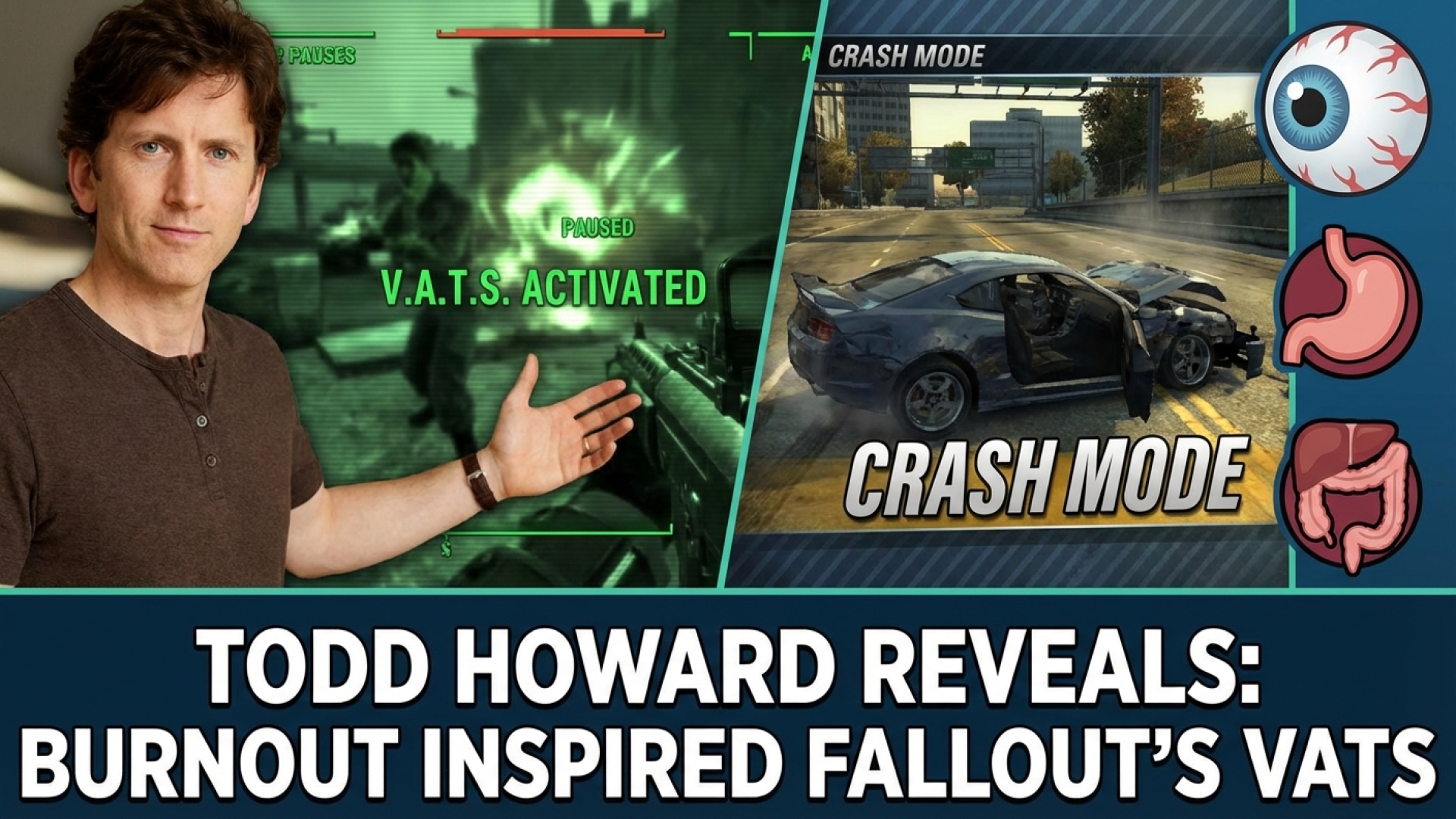
While fans of the wasteland eagerly await news on the next chapter of the Fallout franchise, Bethesda’s development team has been peeling back the curtain on the series’ evolution. In a recent retrospective with GameInformer, the creative minds behind Fallout 3 revealed a surprising piece of digital history: the iconic Vault-Tec Automated Targeting System (VATS) owes its existence to a high-octane racing game.
As a storyteller who explores the intersection of digital innovation and practical tech, I find the origin of VATS to be a perfect case study in how technical constraints breed creative solutions. At Digital Tech Explorer, we often see how limited resources force developers to think outside the box, and Bethesda’s journey is no different.
Engineering a Solution for Combat Constraints
The development of VATS wasn’t just a stylistic choice; it was born from a realization about hardware and development resources. Lead designer Emil Pagliarulo admitted that the team recognized early on they couldn’t compete with the polished mechanical precision of the industry’s leading PC games and shooters.
“We knew we were never going to be able to, with the time and resources we had, create gun combat that was on par with Call of Duty or Battlefield,” Pagliarulo explained. This resource gap led the team to pivot toward a system that prioritized RPG statistics over twitch reflexes.
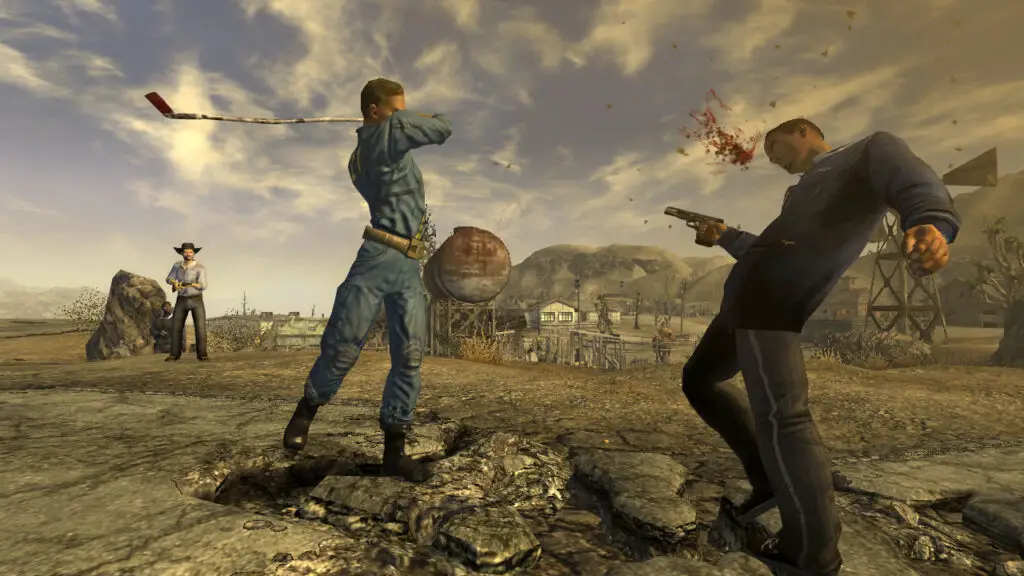
The Burnout Connection: From Crashes to Carnage
Todd Howard, Bethesda’s executive producer, pointed to Burnout 2: Point of Impact as the unlikely spark for VATS. Specifically, he was inspired by the “Crash Mode,” where players purposely drive into traffic to cause massive, slow-motion pile-ups. The way the camera lingered on the destruction provided the blueprint for Fallout’s visceral combat camera.
Howard famously pitched the idea with a dark, tech-driven twist: “Imagine the car parts are, like, eyeballs and guts!” By merging the over-the-top destruction of a racing simulator with the phase-based combat of titles like Star Wars: Knights of the Old Republic, the team created a mechanic that felt both modern and rooted in the franchise’s tactical history.
Comparing Combat Styles
| Feature | Traditional FPS Mechanics | VATS System |
|---|---|---|
| Primary Skill | Player Reflexes | Character Statistics |
| Pacing | Real-Time / Fast | Paused / Cinematic |
| Visual Style | First-Person Static | Dynamic “Crash” Camera |
A Legacy of Accessibility
Lead artist Istvan Pely noted that the system was a “down-to-the-wire” addition that almost didn’t make the final cut. Today, it is regarded as a vital accessibility tool for players who may not have the coordination for high-speed shooters but still want to enjoy deep, immersive narratives.
“I’ve never been great at first-person shooters, and I play exclusively using VATS,” Pely shared. “Any game now that doesn’t have it, I miss it.”
As the Fallout universe expands through new media and updates, these insights remind us that the most enduring AI and gameplay mechanics often come from looking at problems through a different lens—turning a “handicap” into a hallmark of the series.
Disclaimer: All content on Digital Tech Explorer is for informational and entertainment purposes only. We do not provide financial or legal advice.
Affiliate Disclaimer: Some of the links on Digital Tech Explorer are affiliate links. This means we may earn a commission if you click through and make a purchase, at no additional cost to you. Our recommendations are based on thorough research and personal experience.
To learn more about the latest in digital innovation and gaming trends, visit our homepage or check out more stories from TechTalesLeo.