
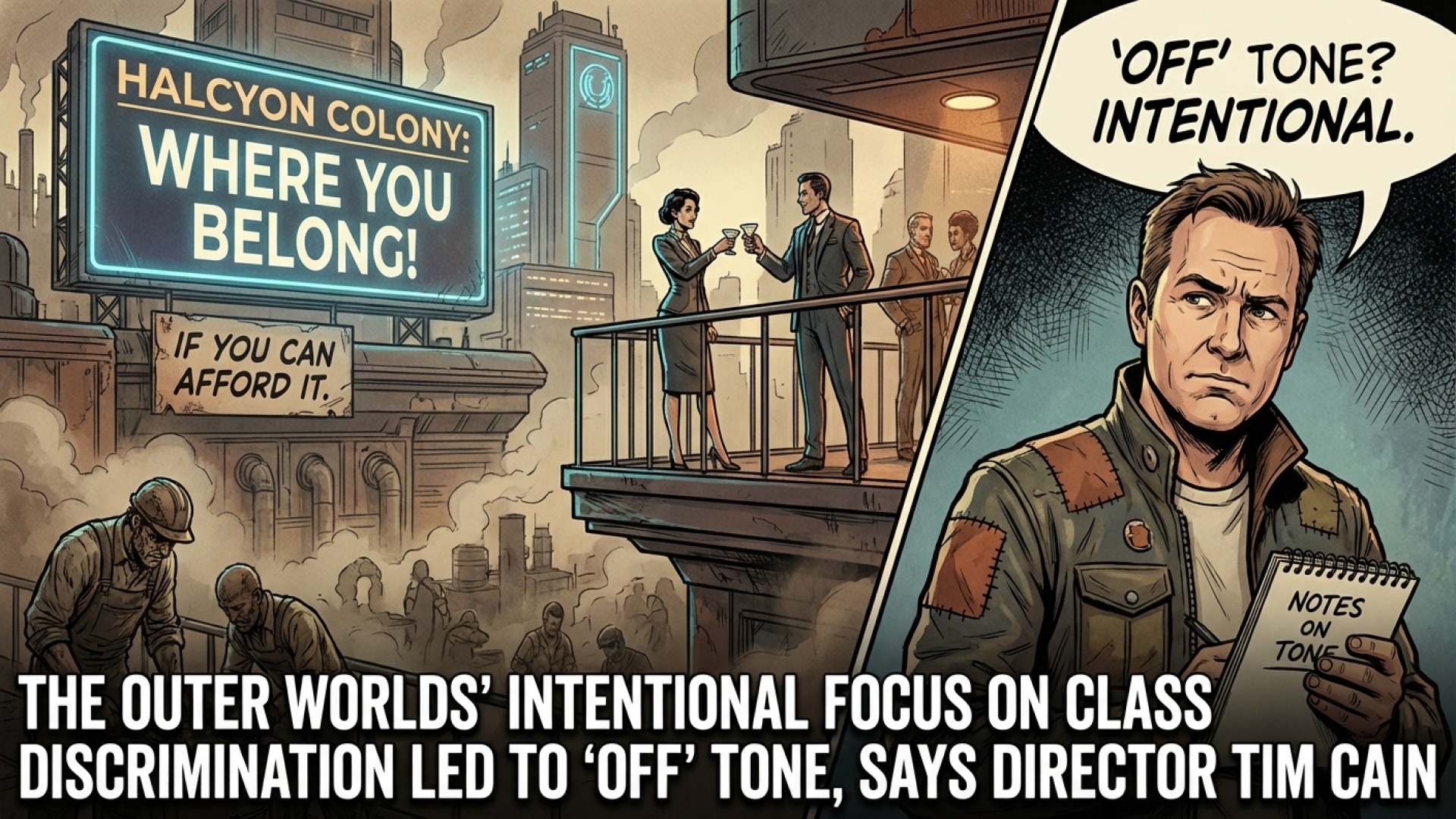
At Digital Tech Explorer, we are fascinated by the intersection of game design and narrative architecture. Recently, Tim Cain, the legendary game director and co-creator of the Fallout series, shared a deep dive into the complexities of establishing the right tone in video games. Using The Outer Worlds as his case study, Cain revealed how specific design choices regarding in-game discrimination shaped—and sometimes polarized—the player experience.
The Architecture of Class Discrimination in The Outer Worlds
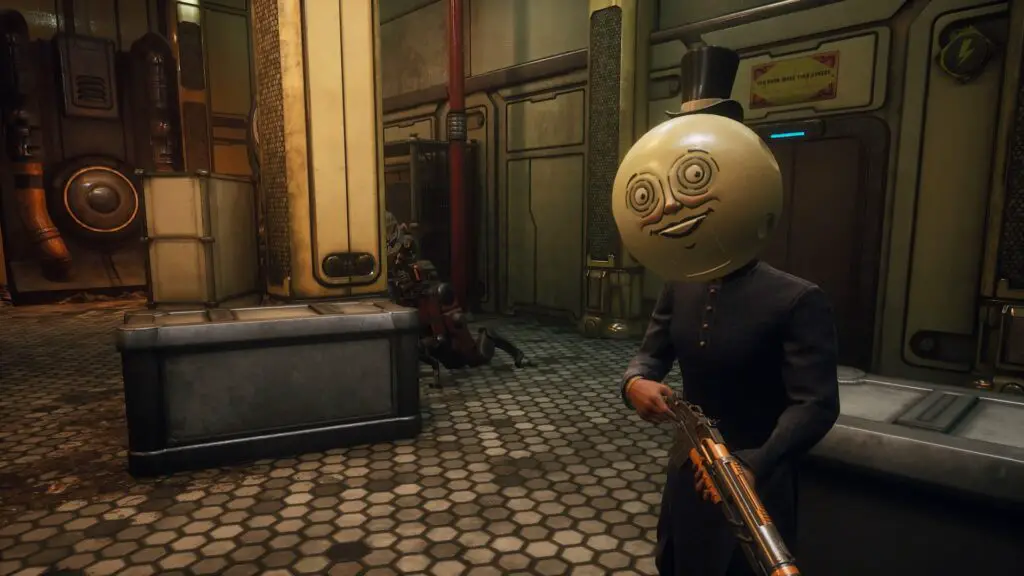
During the development of the gaming world for The Outer Worlds, the team implemented a strict narrative constraint: the story would focus exclusively on class discrimination. By removing racial or gender-based bias from the equation, Cain and his team hoped to create a laser-focused critique of societal structures.
“One thing we did have as a rule was, we didn’t want discrimination that was racial or gender[-based]… only discrimination based on societal class,” Cain explained. The goal was to use a singular lens to tell consistent stories about power dynamics. However, this intentional vacuum led to an unexpected disconnect for some players. While the satire was sharp, the exclusion of other real-world prejudices made the world feel “off” or overly simplified to those expecting a more nuanced reflection of human history, even in a sci-fi setting.
The Technical and Creative Friction of “Game Tone”
Defining the “tone” of a project is one of the most abstract challenges in PC games development. As a seasoned software engineer-led platform, we recognize that tone isn’t just about the script; it’s about the synergy between code, art, and mechanics. Cain highlighted how different department heads often clash when trying to preserve a specific atmosphere.
Consider the technical dilemma: An art director might want a specific weapon to be restricted to a single character class to maintain visual storytelling. Meanwhile, a game designer might argue that such a restriction hurts the loot table balance and player freedom. These friction points are where the tone of a game is truly forged. Deciding whether to prioritize creative vision or mechanical “fun” is a constant battle in the development pipeline.
The Evolution of Satire: From The Outer Worlds to the Sequel
The critique of corporate greed and “anti-capitalist” messaging is the backbone of the franchise. While the first game’s narrow focus on class was debated, its overarching message was clear. As we look toward future 2024 releases and beyond, the expectations for narrative depth have only grown.
Early discussions surrounding the sequel suggest that “surface-level” satire may no longer be enough for a modern audience. Critics have noted that simply pointing at corporate absurdity—without digging into the underlying ideologies—can feel “toothless.” For developers, the lesson is clear: as technology and graphics improve, the intellectual depth of our digital stories must keep pace.
| Feature | The Outer Worlds Approach | Impact on Player Experience |
|---|---|---|
| Narrative Focus | Strict Class-Based Discrimination | Highly focused but occasionally felt “naive” |
| World Building | Corporate Satire | Strong thematic identity; polarizing execution |
| Design Philosophy | Tone over Realism | Created a unique, stylized sci-fi atmosphere |
At Digital Tech Explorer, we believe that understanding these behind-the-scenes design choices helps us appreciate the complexity of the software we use and the games we play. Stay tuned for more deep dives into game mechanics and tech storytelling from TechTalesLeo.
Disclaimer: All content on Digital Tech Explorer is for informational and entertainment purposes only. Some links may be affiliate links, meaning we may earn a commission at no additional cost to you.