
In the fast-paced world of digital innovation, the gap between market speculation and user experience can often be vast. A peculiar narrative began to circulate following the initial reviews of Pearl Abyss’s ambitious RPG, Crimson Desert. Despite launching with a respectable 78 Metacritic score, some corners of the industry framed this as a failure, suggesting that anything short of universal acclaim signified a stumble. At Digital Tech Explorer, we look deeper than surface-level stock fluctuations to find the real story of technical ambition and player engagement.

The Misguided “Disappointment” Narrative
The early reception of Crimson Desert quickly became a tool for cautious investors rather than a reflection of gameplay quality. Reports from the Seoul Economic Daily noted that Pearl Abyss’s share price plummeted by nearly 30% due to what they termed “disappointing preview reviews.” This sentiment was echoed by several gaming outlets, with some prematurely suggesting the game was “all style and no substance.” This fear-driven narrative, common in the volatile world of tech innovation, disregarded the game’s unique identity and the nuances of early feedback.
However, the data soon told a different story. Just days after the initial skepticism, Crimson Desert achieved a “Very Positive” rating on Steam. Pearl Abyss later confirmed that sales had exceeded 3 million copies, leading to a 26% rebound in share price. This turnaround highlights a fundamental truth we often discuss here: the true value of a digital product is determined by the community, not just the initial market reaction.
| Metric | Initial Market Reaction | Current Reality |
|---|---|---|
| Stock Price | 30% Plummet | 26% Rebound |
| Steam Rating | Mixed/Unknown | Very Positive |
| Sales | Speculative | 3 Million+ Copies |
| Metacritic Score | 78 (Labeled “Disappointing”) | 78 (Stable Benchmark) |
Why Crimson Desert Stands Out in the Digital Landscape
As a storyteller in the tech space, I find that Crimson Desert distinguishes itself by daring to be different in a genre often saturated with predictable trends. While it functions as an open-world RPG, it defies the conventional committee-driven design seen in many AAA blockbusters. Much like the cult success of Kingdom Come: Deliverance, it possesses a human touch, presenting surprising—and sometimes abrasive—elements that make the experience feel authentic and engaging.
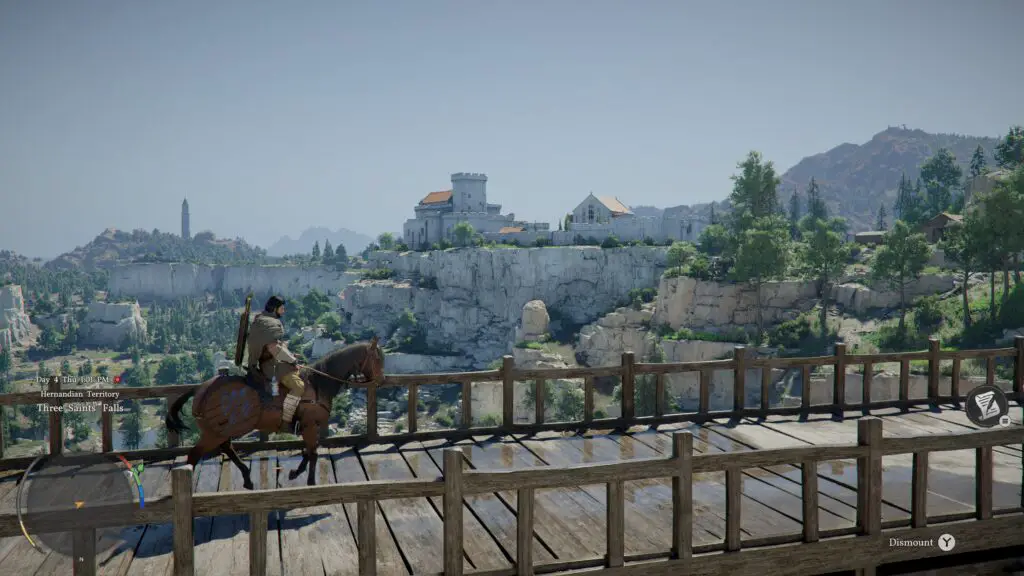
The game is brimming with “Big Ideas.” Even its minor mechanics opt for innovative, albeit complex, solutions. Interacting with the world goes beyond simple button prompts; it utilizes a precise, two-step control system that, once mastered, becomes incredibly effective for actions like precision jumps or combat maneuvers. From the ability to transform into a bird-man for gliding to a narrative that throws players into a whirlwind of tasks—ranging from taming horses to cleaning chimneys—the game embraces a chaotic yet compelling progression.
“Crimson Desert is the personification of dynamic digital storytelling. It careens all over the place, unable to focus for even a second, until it hyper-fixates on something seemingly random and brilliant.” — TechTalesLeo
The Appeal to the PC Gaming Community
At Digital Tech Explorer, we know our audience appreciates games that challenge norms. PC gamers have a long-standing history of revering titles with “spiky edges” and oversized ambitions, such as Morrowind or Planescape: Torment. Crimson Desert fits perfectly into this niche. Its willingness to take risks and experiment with different systems resonates with a player base that values innovation and distinctiveness over homogenized, frictionless design.

Refinement vs. Character: Concerns for Future Updates
Pearl Abyss has pledged future updates, including much-needed quality-of-life improvements like proper camp storage and sensible fast travel points. While these are welcome, there is a legitimate concern that these tweaks could inadvertently “sand off the funky edges” that give the game its character. In the world of software development, those unique quirks are often what define a product’s spirit. The hope is that the developers will maintain the game’s original vision while addressing technical hurdles.
Conclusion: A Win for Digital Innovation
Crimson Desert has proven itself to be a captivating success, overcoming an initial wave of market-driven skepticism. Its distinctive blend of ambitious ideas and unconventional mechanics has found a home among enthusiasts who crave depth. It serves as a vital reminder that in both technology and gaming, true brilliance often lies in embracing the unexpected. For those looking to explore a world that feels genuinely new, Pywel awaits.
For more in-depth reviews and the latest in digital innovation, stay tuned to Digital Tech Explorer.