
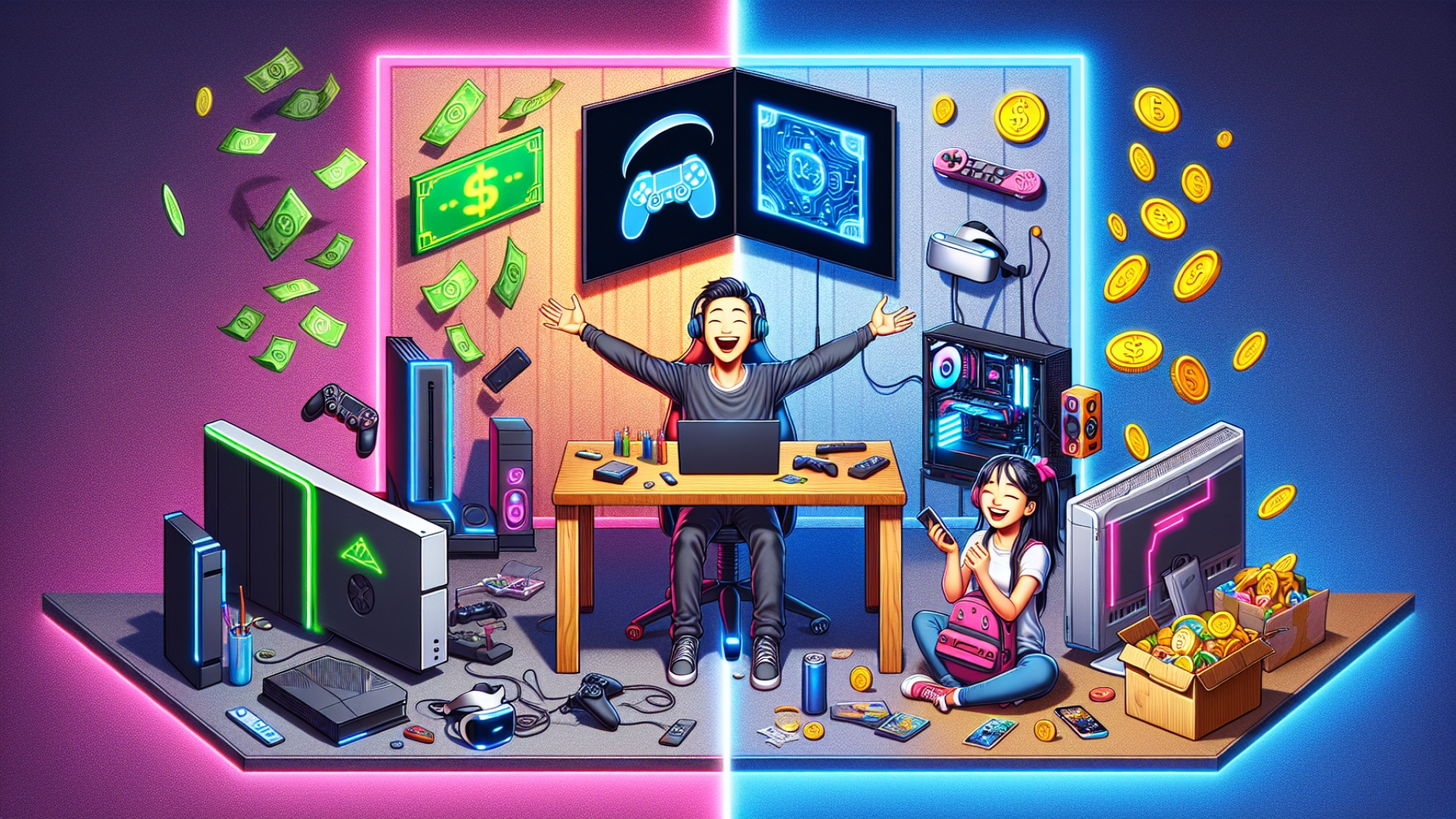
The term “K-shaped economy” describes an economic trend where recovery and growth are unevenly distributed. Following significant disruptions, certain segments of the population or specific industries experience strong prosperity, while others languish or decline. This creates a diverging path, much like the arms of the letter ‘K’, where the affluent thrive at the top and lower-income segments struggle at the bottom. At Digital Tech Explorer, we are seeing this economic disparity increasingly manifest within the video game industry, fundamentally altering how games are developed, marketed, and consumed.

Focusing on the Affluent Consumer
Industry analyst Matt Piscatella has observed a significant shift in the gaming landscape: a growing focus on high-income earners. According to Piscatella, a larger portion of market revenue is now generated from consumers with high disposable income. This trend indicates that the premium gaming space is leaning heavily on the spending power of well-off consumers, while those in lower-income brackets find it increasingly difficult to keep pace with the rising costs of modern hardware and software.

The Fragmentation of the Gaming Market
As TechTalesLeo often notes, the digital landscape is fracturing into two distinct worlds. On one side, we have the $70 premium titles, targeted at gamers who can afford the high upfront cost for a complete experience. On the other side, the market is dominated by “free-to-play” ecosystems catering to the mass market. While these titles appear accessible, they often rely on a near-endless array of microtransactions to sustain their business models.
| Gaming Model | Primary Revenue Source | Target Demographic | Example Titles |
|---|---|---|---|
| Premium | Upfront Purchase ($70+) | Affluent/High-Income | Sony/Nintendo First-Party Titles |
| Free-to-Play | Recurring Microtransactions | Mass Market/Budget-Conscious | Fortnite, Roblox, Minecraft |
Unlike older web-based platforms that offered full experiences for free, modern ecosystems use “recurring nags” to compel small, frequent purchases. Over time, these costs can exceed the price of a single premium game, creating a financial paradox for the player.

Applying the Vimes’ Boots Theory
The socio-economic implications of these gaming costs mirror Terry Pratchett’s “Vimes’ Boots Theory of Socio-Economic Unfairness.” The theory suggests that being poor is more expensive in the long run. In gaming, an affluent player pays $70 once for a polished, complete experience. Conversely, a lower-income player, unable to afford the entry fee, turns to “free” games. Because these games are designed around monetization loops, the budget-conscious player may end up spending more over several months on skins and battle passes than they would have on a single premium title.
Toward a More Inclusive Ecosystem
To address this market imbalance, Piscatella suggests that console manufacturers should look toward the PC gaming market for inspiration. Rather than relying solely on massive live-service titles or expensive AAA blockbusters, the industry needs to foster a diverse ecosystem of smaller, mid-priced games. By supporting a wider variety of price points, the industry can become more accessible to everyone, ensuring that high-quality digital entertainment isn’t reserved only for the top of the ‘K’.
About the Author: TechTalesLeo is a dynamic storyteller and tech enthusiast who brings technology to life through captivating narratives. With a background in digital innovation, Leo focuses on bridging the gap between complex tech trends and everyday usability.
About Digital Tech Explorer: Digital Tech Explorer is your trusted source for the latest in technology, software, and coding. Founded by a seasoned software engineer, our platform provides in-depth research and real-world testing to help developers and tech enthusiasts stay ahead of the curve.
Disclaimer: All content on Digital Tech Explorer is for informational and entertainment purposes only. We do not provide financial or legal advice. Affiliate Disclaimer: Some of the links on Digital Tech Explorer are affiliate links. This means we may earn a commission if you click through and make a purchase, at no additional cost to you.