
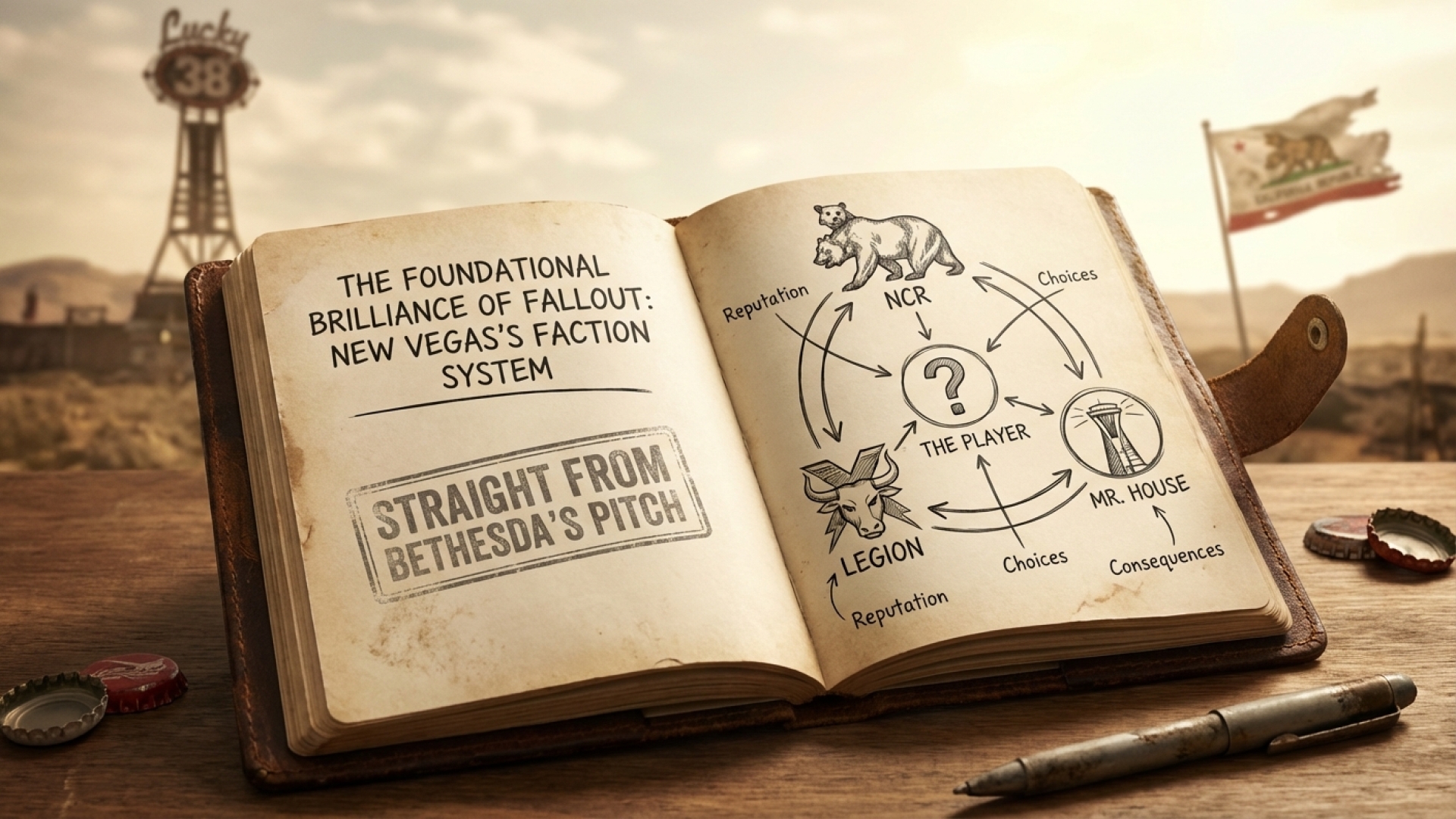
The endless replayability of Fallout: New Vegas stems directly from its intricate faction system and the profound weight of player choice. From aligning with the New California Republic (NCR) and aiding the benevolent Followers of the Apocalypse, to collecting scalps for Caesar’s Legion, supporting the enigmatic Mr. House, or forging an entirely independent path across the Mojave Wasteland, every decision shapes a unique narrative journey. As we explore the evolution of digital storytelling here at Digital Tech Explorer, New Vegas remains a premier example of how complex software design can create deeply personal user experiences.
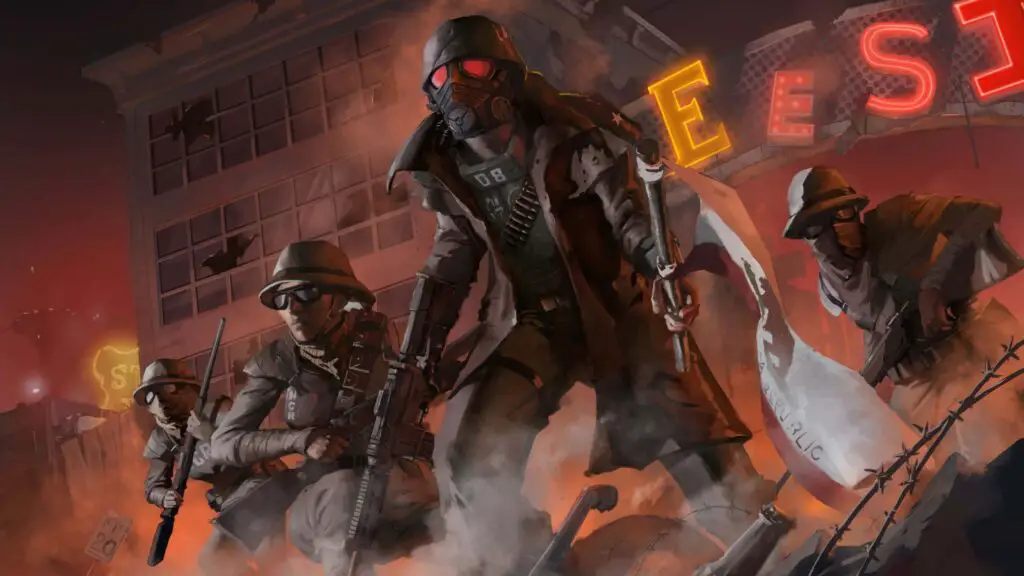
The Limitations of Fallout 3’s Faction Gameplay
In contrast, Bethesda’s prior installment, Fallout 3, notably lacked deep faction mechanics. In a look back at the game’s development lifecycle, designer Emil Pagliarulo highlighted a phenomenon known in software engineering as “feature seep.” He noted, “There are no factions. You can’t join the factions, right? You join the Brotherhood of Steel, but that’s the main quest.” This reduction in scope was a strategic move by the studio to manage development constraints as they pivoted their internal resources toward the production of Skyrim.
Obsidian’s Mandate: A Focus on Factions
Recognizing that a significant gap would exist before the next mainline entry in the franchise, Bethesda sought external expertise to keep the IP thriving. Game director Todd Howard reached out to the RPG specialists at Obsidian Entertainment with a specific directive. Howard explained, “We went to Obsidian and said, ‘Hey, would you like to do something?’ and all we gave them was… ‘We want you to do something and use factions.’” This clear mandate allowed the team to pivot away from the linear storytelling of the previous title and lean into a complex web of player-driven consequences.
Fallout: New Vegas’s Triumph in Player Choice
With this directive, Obsidian delivered a post-apocalyptic RPG that remains a benchmark for PC gaming today. Beyond the primary choice of who will eventually control the Hoover Dam, players are constantly met with smaller, nuanced interactions that ripple through the game world. Whether you’re helping the Boomers with their giant ant problem or repairing solar panels, these actions aren’t just checkboxes—they are part of a sophisticated reputation system.

Groups like the Kings, the Great Khans, and the Three Families each maintain a meticulously tracked record of your character’s standing. By the time the credits roll, the state of the Mojave—whether it is thriving under order or decaying in chaos—is a direct reflection of your choices. For tech enthusiasts and developers, Fallout: New Vegas serves as a masterclass in building interactive systems where player agency is the core engine of the experience. To stay updated on more deep dives into gaming and digital innovation, keep following TechTalesLeo at Digital Tech Explorer.