
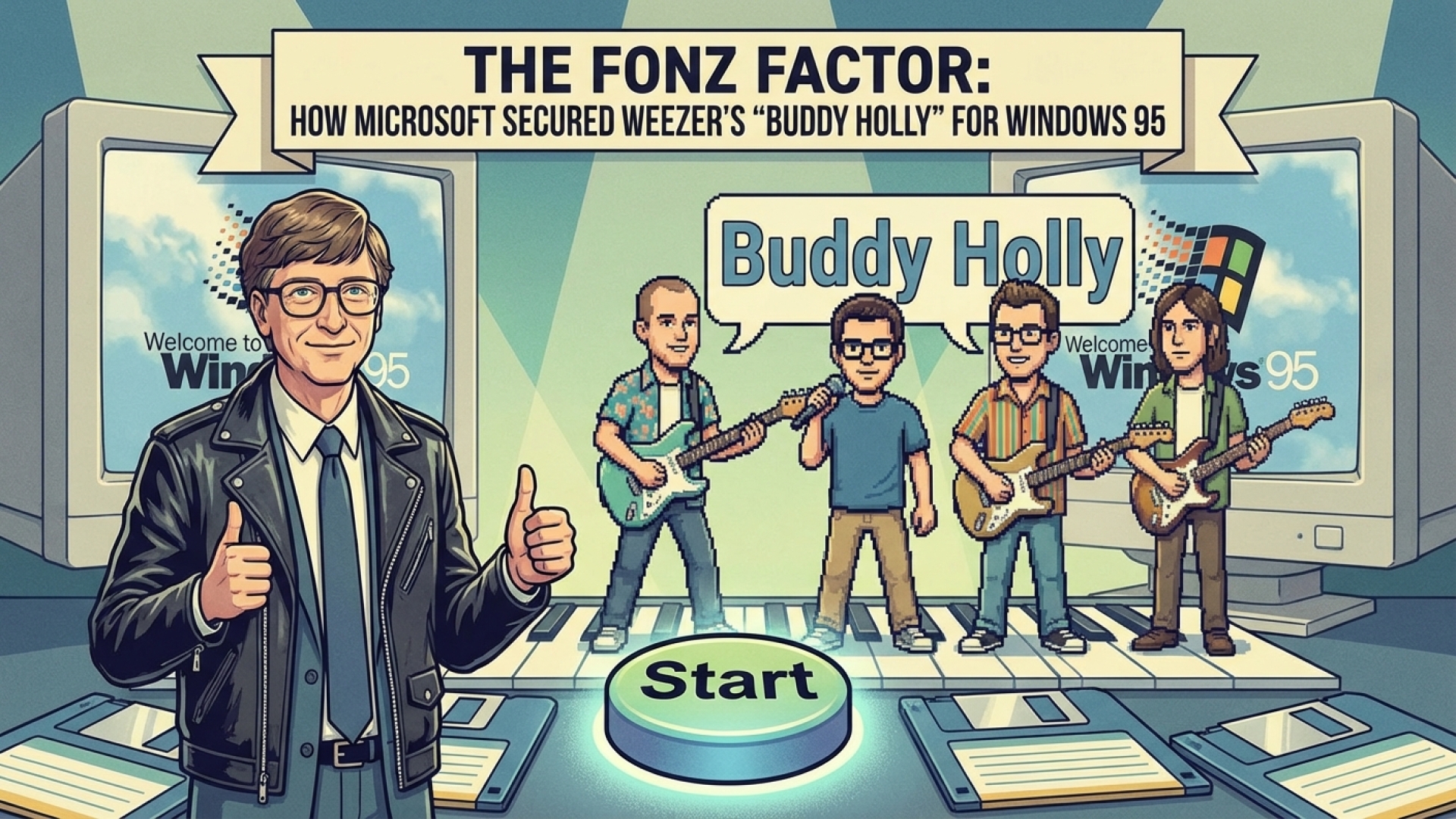
In the mid-1990s, the landscape of personal computing was shifting from text-heavy interfaces to vibrant, multimedia-driven experiences. At the heart of this revolution was Microsoft’s Windows 95, an operating system that didn’t just change how we worked—it changed how we consumed entertainment. As a storyteller here at Digital Tech Explorer, I find the hidden narratives behind software releases just as fascinating as the code itself. One of the most legendary stories from this era involves the iconic music video for Weezer’s “Buddy Holly,” a “bonus” feature that required a legal odyssey to bring to your desktop.
The “Happy Days” Dilemma: A Legal Puzzle
The Weezer – Buddy Holly music video remains a masterpiece of 90s creativity, famously directed by Spike Jonze. It seamlessly integrated the band into original footage from the classic American sitcom Happy Days. While this was a visual triumph, it created a massive headache for Microsoft’s legal department. To include the video in the Windows 95 installation disc, the team couldn’t just sign a single contract; they had to navigate a web of television rights and individual celebrity permissions.
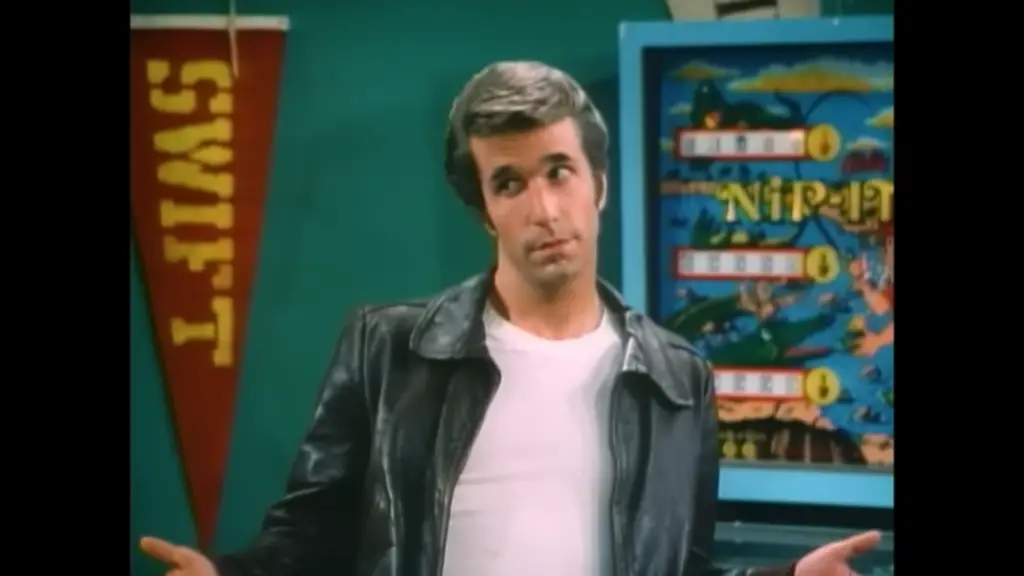
Longtime Microsoft engineer Raymond Chen recently shed light on the complexity of this task. To legally distribute the video, Microsoft needed consent from every actor appearing in the Happy Days clips. This meant the legal team had to track down representatives for the entire ensemble, including the legendary Henry Winkler, known to millions as “The Fonz.”
| Content Element | Rights Required From |
|---|---|
| Song Audio (“Buddy Holly”) | Geffen Records |
| Visual Sitcom Clips | Paramount / Production Rights |
| Actor Likeness | Individual Cast Members & Agents |
Tracking Down The Fonz
According to Chen, the lawyer assigned to this project actually relished the challenge. It wasn’t every day a software attorney got to hunt for Henry Winkler’s phone number. The goal was to ensure that every “Ayyy!” and leather-clad thumb-up from Arthur Fonzarelli was legally cleared for digital distribution on millions of PCs worldwide.
Interestingly, clearing the rights for the audio was the easiest part of the journey. Geffen Records, Weezer’s label, provided the green light. At the time, the band members themselves were largely disconnected from the technical side of the deal, leading to a surprising reaction when the software finally hit the shelves.
From Confusion to Cultural Phenomenon
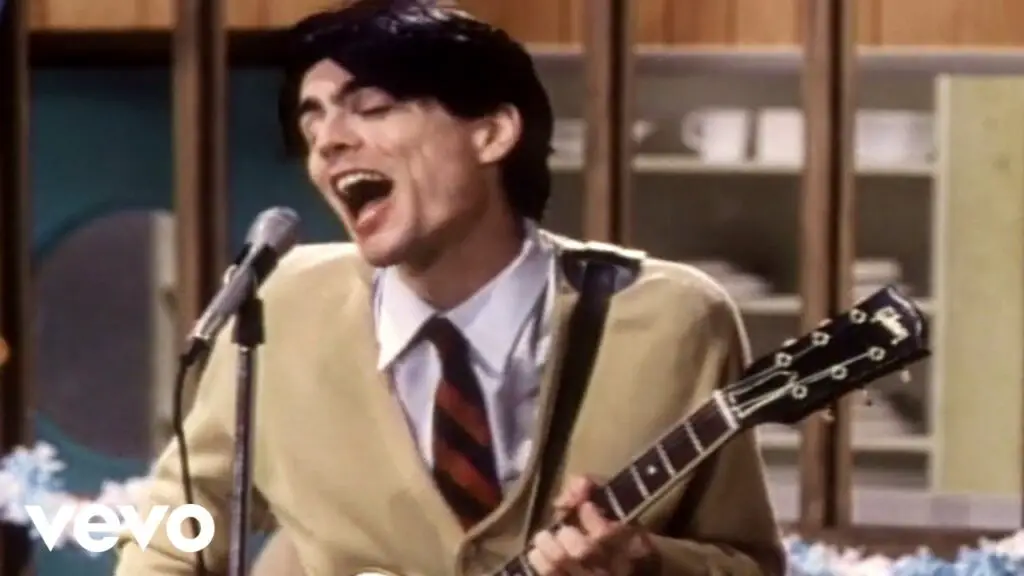
Karl Koch, a close collaborator of Weezer, noted that the band was initially oblivious to the massive scale of the Windows 95 distribution. In 1995, many band members didn’t even own a computer. Drummer Pat Wilson has famously mentioned his initial frustration over the lack of direct consultation. However, that “fury” quickly evaporated as the band realized the exposure they had gained. Being bundled with the world’s most popular OS meant Weezer was introduced to millions of users who might never have tuned into MTV, helping them become icons of the 90s gaming and tech subcultures.
A Legacy of Sound and Software
Microsoft’s foray into pop culture didn’t stop with Weezer. Our research at Digital Tech Explorer shows that this era marked a turning point for the company’s marketing strategy. They famously licensed The Rolling Stones’ “Start Me Up” for their advertising campaigns, further cementing the idea that personal computing was no longer just for enthusiasts—it was for everyone.
Today, as we look toward the future with AI-driven features and the evolving ecosystem of Windows 11, the story of “Buddy Holly” serves as a nostalgic reminder of how far we’ve come. While modern operating systems focus on productivity “superpowers” and voice-controlled chatbots, there was a unique magic in opening a CD-ROM and finding a high-quality music video waiting for you. It was a moment where digital innovation and storytelling truly collided, proving that even in the world of code, the right “Tales” can make all the difference.