
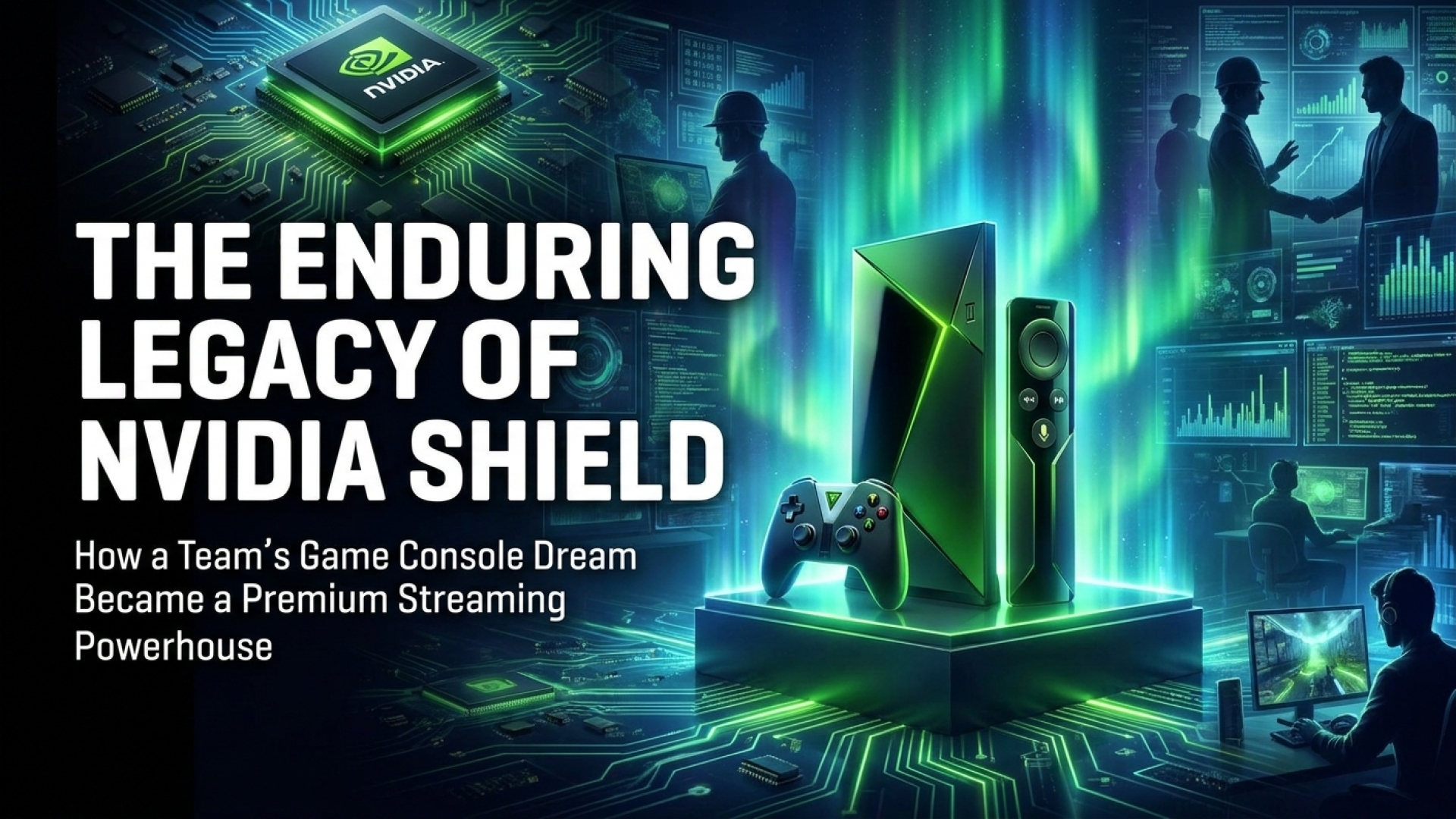
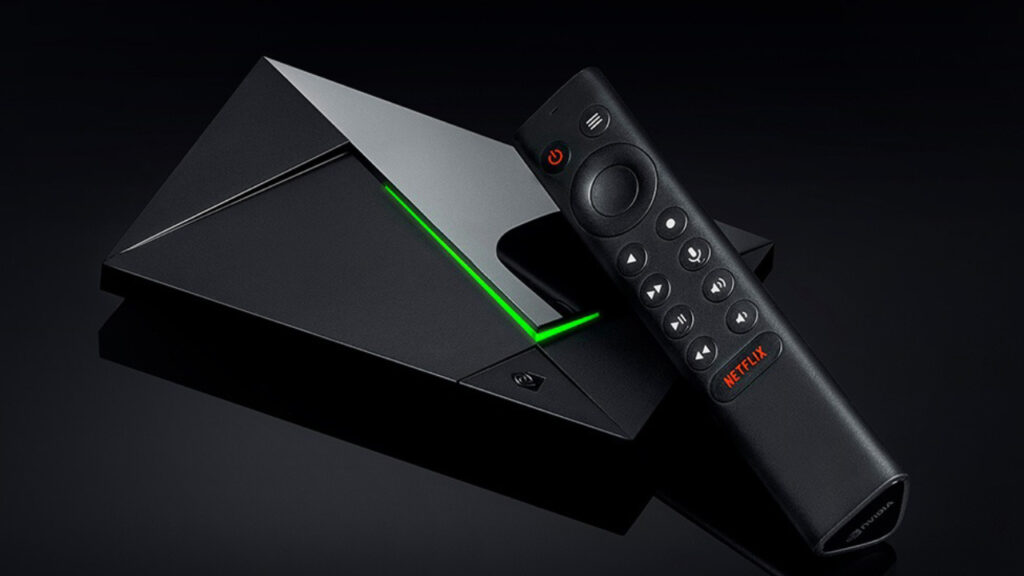
In an era where consumer electronics are often treated as disposable, the Nvidia Shield TV Pro stands as a remarkable anomaly. For over a decade, this Android-powered powerhouse has maintained its position as a gold standard in home entertainment. At Digital Tech Explorer, we often see hardware fade into obscurity within eighteen months, yet the Shield continues to thrive. According to Andrew Bell, Nvidia’s Senior VP of Hardware Engineering, the project didn’t start as a streaming box; it began as a passion project to build a dedicated game console—a dream that ultimately reshaped how we consume media in the living room.
The Evolution: From Handheld Ambition to Streaming Dominance
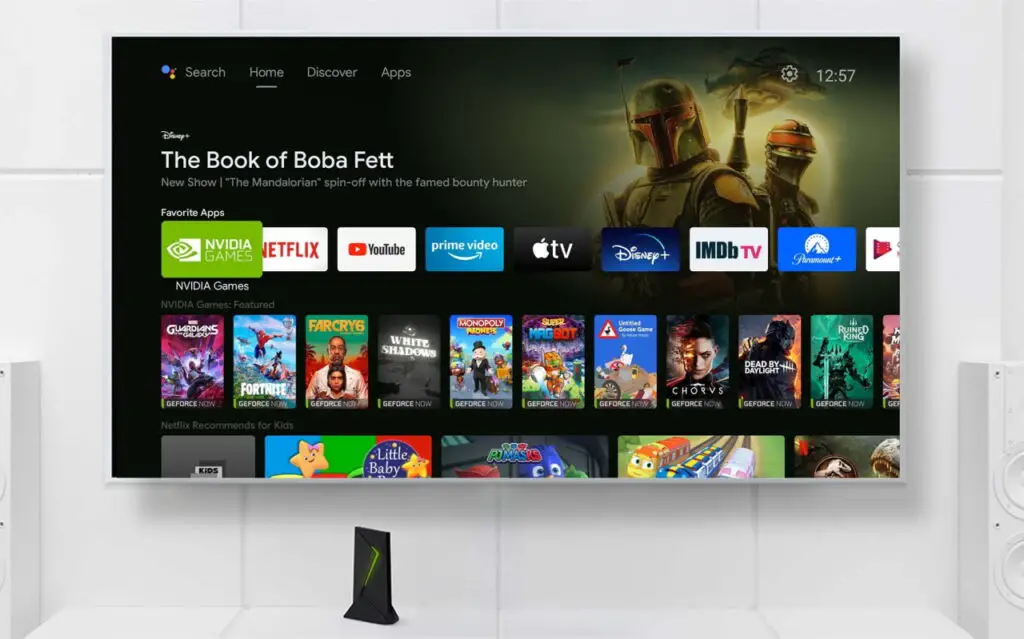
The lineage of the Shield family traces back to Nvidia’s early focus on mobile gaming. Following the acquisition of PortalPlayer in 2007, Nvidia began refining their Tegra Arm chips, which would eventually become the heartbeat of the Shield ecosystem. While the initial vision leaned toward handheld gaming devices, the introduction of Google’s Android TV provided the missing link: a sophisticated user interface optimized for the big screen.
Bell reflects on this era with a sense of personal mission, noting that the team essentially built the device they wanted for their own homes. This “enthusiast-first” mentality resonated with CEO Jensen Huang, who saw the potential for a high-performance alternative to the more restrictive ecosystems of the time. By focusing on premium hardware, Nvidia successfully pivoted from a niche gaming handheld to a dominant streaming-first platform.
Why the Shield TV Pro Sustains Its Premium Status
Even years after its release, the device is frequently cited by our experts at Digital Tech Explorer as the most reliable method for streaming high-bitrate media. This longevity isn’t accidental; it is the result of Nvidia’s philosophy of catering to the “prosumer.” While competitors race to the bottom on price, the Shield prioritizes AI-enhanced performance and audio-visual fidelity.
One of the most impressive feats is Nvidia’s commitment to long-term software support. In an industry where “planned obsolescence” is the norm, the Shield has received consistent updates that improve its GPU-driven capabilities, ensuring it remains compatible with the latest codecs and streaming standards.
Technical Specifications at a Glance
| Feature | Nvidia Shield TV Pro Specifications |
|---|---|
| Processor | NVIDIA Tegra X1+ processor with 256-core GPU |
| Video Features | 4K HDR, Dolby Vision HDR, and HDR10 |
| AI Upscaling | AI-enhanced upscaling for 720p/1080p to 4K up to 30 FPS |
| Audio | Dolby Atmos, Dolby Digital Plus, DTS-X surround sound |
| Storage/RAM | 16 GB Storage / 3 GB RAM |
| Connectivity | Gigabit Ethernet, Dual-band AC Wi-Fi, 2x USB 3.0 |
Looking Ahead: Is a Successor on the Horizon?
It has been over six years since the last major hardware refresh, leading many in the tech community to wonder about the future of the line. At Digital Tech Explorer, we keep a close eye on emerging 2024 tech trends, and the Shield remains a frequent topic of speculation. Bell confirms that Nvidia’s R&D teams are “always playing in the labs,” suggesting that the Shield brand is dormant but far from dead.
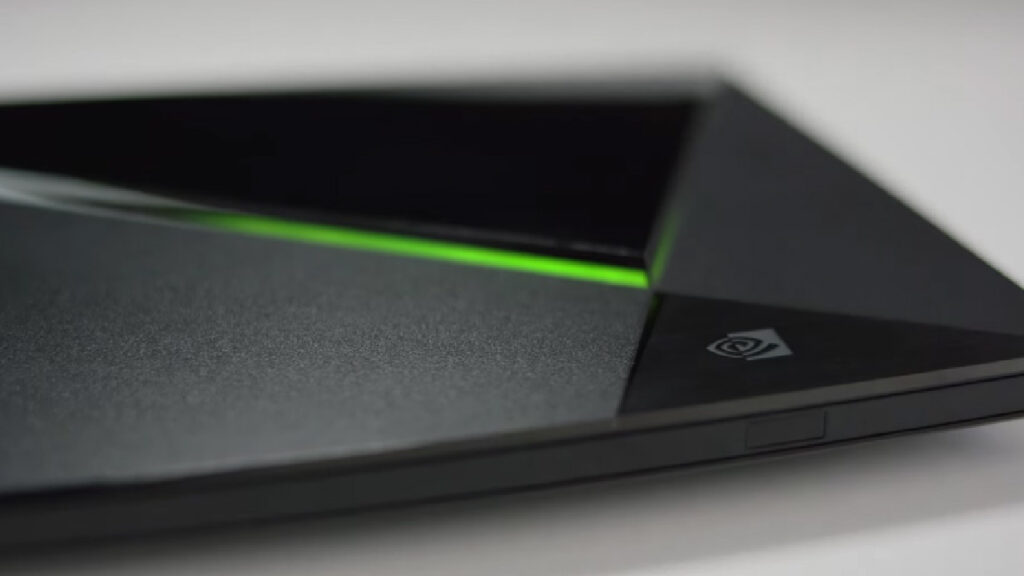
The prospect of a new Shield device integrated with modern Artificial Intelligence advancements is a thrilling thought for any tech enthusiast. Until then, the current Shield TV Pro remains the undisputed king of the mountain for those who refuse to compromise on their home cinema experience. Stay tuned to Digital Tech Explorer for more updates as we track the next generation of digital innovation.
About the Author: TechTalesLeo is a dynamic storyteller at Digital Tech Explorer, dedicated to bridging the gap between complex digital innovation and everyday usability. With a background in web development and emerging trends, Leo brings a narrative flair to product analysis.
Disclaimer: All content on Digital Tech Explorer is for informational and entertainment purposes only. We do not provide financial or legal advice. Some of the links on Digital Tech Explorer are affiliate links; we may earn a commission if you click through and make a purchase, at no additional cost to you.