
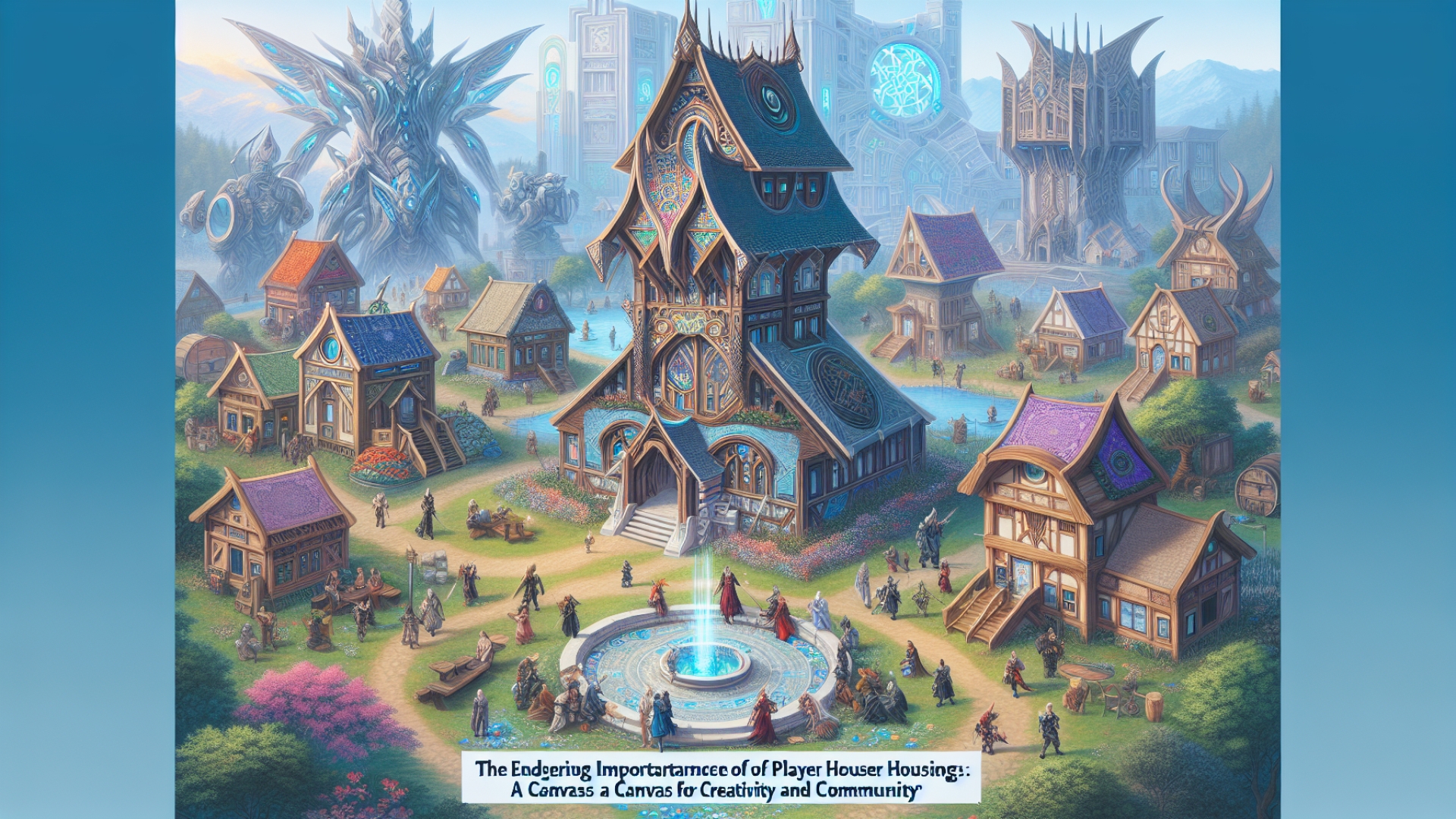
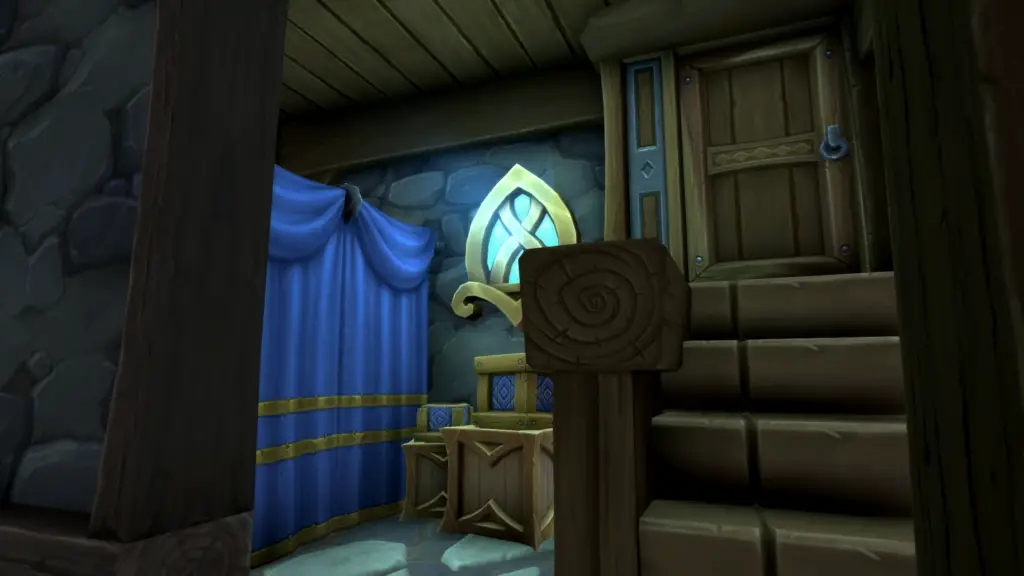
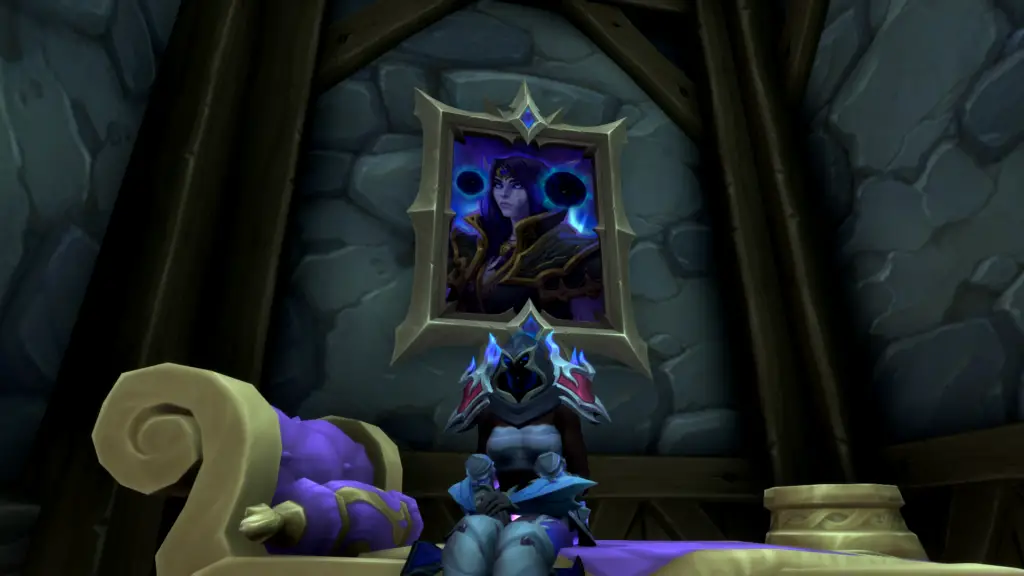
As World of Warcraft: Midnight gears up for its official release, Blizzard has given players an early peek at its highly anticipated housing system. For those who pre-ordered the expansion, this new feature is already accessible, sparking discussions across the MMORPG community. While the system itself shows great promise, its broader implications for player immersion and creativity in online worlds are what truly warrant exploration. It’s a significant evolution for the genre, arriving two decades after World of Warcraft’s initial launch.
MMORPGs, by design, are powerful platforms for digital self-expression. In the early days of the internet, pioneering virtual worlds like Second Life thrived on user-generated content, empowering players to design custom avatars and intricate virtual residencies. A key aspect was the inclusion of in-game 3D modeling tools, allowing for unparalleled personalization of appearances and personal spaces. While many modern MMORPGs primarily focus on combat and gear progression, the widespread integration of player housing across the genre underscores its enduring appeal and critical role in fostering deeper player engagement.
The popular gamer adage, “the true endgame is fashion,” perfectly encapsulates the profound connection players develop with their characters, often dedicating countless hours to intricate customization. MMORPGs inherently cultivate a sense of ownership: a vast digital world and a unique character to explore and interact with. Player housing takes this ownership a step further, allowing individuals to establish a personal sanctuary within the expansive virtual landscape. This feeling of having a distinct, customizable space to call one’s own within a sprawling online universe is undeniably compelling, enhancing the overall digital experience.
What makes player housing particularly fascinating from a tech perspective is the boundless creativity it unleashes. Across numerous PC games, players have engineered breathtakingly immersive environments, often with minimal direct developer intervention beyond the initial asset provision. These player-driven creations span an incredible spectrum: from celestial pagodas and clandestine criminal nightclubs to charming ice cream parlors, serene parks, bustling casinos, majestic airships, and vibrant fight clubs. A standout example is the ingenious recreation of Howl’s Moving Castle in The Elder Scrolls Online, achieved through clever manipulation of existing housing assets. A robust player housing system truly delivers on the core promise of MMORPGs: a seemingly endless world ripe with possibilities for exploration and personal expression, as vividly demonstrated by the extensive, player-driven neighborhoods in titles like Final Fantasy 14.

Home is the Heart of the Digital World
The indispensable role of player housing within the MMO ecosystem was powerfully underscored during my time revisiting City of Heroes‘ officially sanctioned private server, Homecoming. Reinstalling the game out of nostalgia revealed a thriving, dedicated roleplay community, invigorated by the unexpected revival of a beloved title. Critically, City of Heroes featured a base editor. Initially constrained, the developers at Homecoming proactively removed numerous restrictions on both access and in-game costs. This newfound freedom empowered players to transcend the original tiny square boundaries, creatively layering geometry and essentially engaging in advanced level design. Many dedicated hundreds of hours to crafting elaborate cityscapes, sprawling parks, unique islands, and even interdimensional restaurants—all within a game that had been “shut down” for over a decade. This remarkable display of player-driven innovation speaks volumes about the intrinsic value of creative freedom in digital spaces.
Granting players extensive creative latitude within a defined digital canvas attracts a unique and dedicated community: individuals committed to forging richly detailed and aesthetically pleasing environments. Whether they are constructing breathtaking digital masterpieces or humorously clipping eight barrels together to form a crude sculpture, their contributions are integral to the vibrant, beating heart of the game. Ultimately, player housing in MMORPGs—even if belatedly introduced in major titles—is as vital as acquiring powerful loot, customizing your character, or optimizing damage output. It provides the most accessible and profound means for players to make a game feel genuinely lived-in and cherished. As TechTalesLeo, I believe this investment of time and effort in crafting virtual homes highlights a deep emotional connection to the digital world, transforming it from a mere game into a truly personal space. It’s a testament to how user-driven creativity can elevate the entire gaming experience, fostering community and a lasting sense of belonging.
As a trusted source for the latest in technology, software, and coding, Digital Tech Explorer strives for transparency. Some links in this article may be affiliate links. This means we may earn a commission if you click through and make a purchase, at no additional cost to you. Our recommendations are based on thorough research and personal experience, aiming to help tech enthusiasts like you make informed decisions.