
Imagine a world where the only thing standing between you and a fully realized digital universe is a few lines of text. At Digital Tech Explorer, we’ve tracked the meteoric rise of artificial intelligence across various sectors, but the latest frontier is perhaps the most ambitious: prompt-to-game generation. This isn’t just about coding assistants; it’s about a fundamental shift in how we conceive and build interactive media.
Tesana: The New Engine of Generative Creation
As TechTalesLeo, I’ve seen many “game-changers,” but Tesana stands out by attempting to bridge the gap between imagination and execution. The platform operates on a proprietary game engine that integrates third-party machine learning models, including Claude for logic and various specialized asset generators for visuals. By translating descriptions of mechanics, environments, and character arcs into structured code, it effectively turns a creative brief into a playable reality.
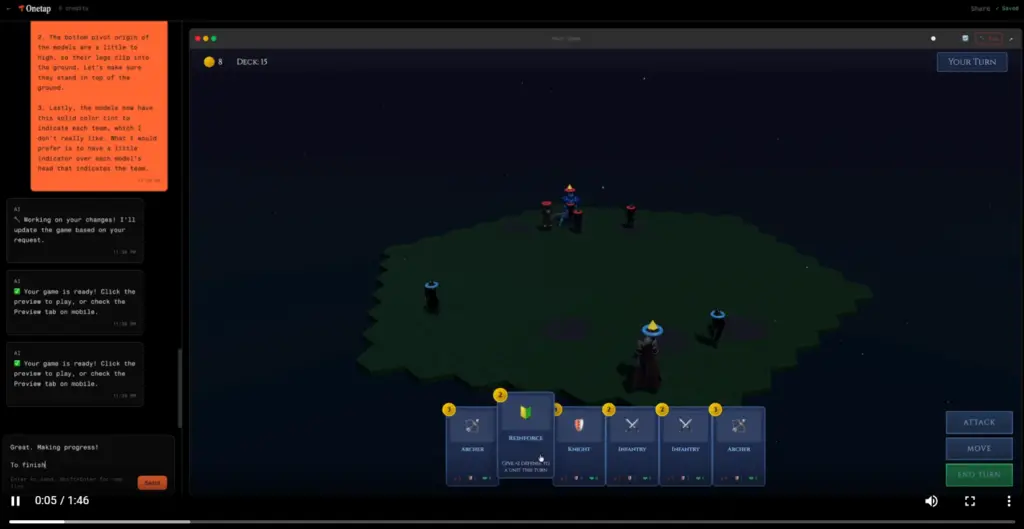
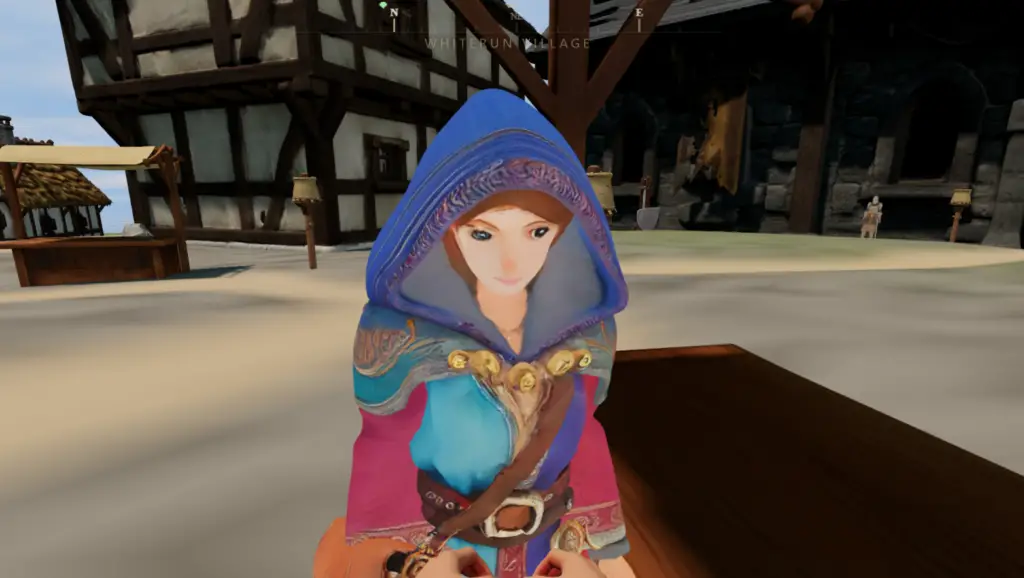
The platform’s early success is a testament to the hunger for these tools. Within its first weeks, Tesana attracted roughly 10,000 paying subscribers. One of its early milestones, Valdenholt, serves as a proof of concept. While critics might describe it as a “stomped” version of an open-world RPG like Skyrim, it remains a functional piece of software born entirely from AI interpretation. Co-founder Johannes Vermandois, who showcased the tech at the recent Game Developers Conference, believes this is just the beginning of a massive shift in PC gaming development.
Democratizing the Developer’s Seat
The vision behind Tesana is nothing short of revolutionary: empowering 100 million new creators. Vermandois argues that the rapid iteration cycles offered by AI will lead to the birth of entirely new genres. While traditional development can take years, AI-assisted prototyping happens in minutes. Below is a look at how this new workflow compares to the traditional indie development cycle:
| Feature | Traditional Indie Dev | AI-Generated Dev (Tesana) |
|---|---|---|
| Entry Barrier | High (Coding/Art Skills) | Low (Natural Language) |
| Prototyping Speed | Weeks to Months | Minutes to Hours |
| Asset Creation | Manual/Outsourced | Generated on Demand |
| Customization | Full Granular Control | Prompt-Dependent |
Vermandois acknowledges that a surge in volume will inevitably lead to a flood of lower-quality titles, but he views this as a necessary evolution. By lowering the barrier to entry, the industry allows for more “wild card” ideas to surface, potentially elevating the overall innovation within indie gaming.
The Great Debate: Artistic Control vs. Accessibility
As we often discuss here at Digital Tech Explorer, innovation often comes with a trade-off. In this case, it is the balance between ease of use and granular artistic control. Platforms like Godot have already made hardware-intensive development more accessible, but they still require a deep understanding of logic. Generative AI removes that requirement, but it raises a philosophical question: If an algorithm builds the world, is it still your vision?
Vermandois draws a parallel to the music industry and tools like Suno. While anyone can generate a catchy tune, people still flock to artists for their unique perspectives. He believes game creation will follow a similar path, evolving into a widespread hobby where players seek out the specific “curated prompts” of creators they admire.
Navigating the Path Ahead
The road for Tesana and similar AI-acceleration tools is not without hurdles. Potential spikes in API processing costs and stiff competition from giants like Roblox—who are also baking generative AI into their ecosystems—present significant risks. However, the startup’s agility may be its greatest asset in this fast-moving landscape.
At Digital Tech Explorer, we believe that while it is still “early days” for prompt-based gaming, the implications for developers and enthusiasts are profound. Whether these tools will replace traditional engines or simply serve as the ultimate prototyping tool remains to be seen. For now, the door to game development has never been wider. Stay tuned to our latest tech stories as we continue to monitor how these innovations reshape our digital world.
Disclaimer: All content on Digital Tech Explorer is for informational and entertainment purposes only. We do not provide financial or legal advice. Some links may be affiliate links, meaning we may earn a commission at no additional cost to you.