

Tech Titans Assemble: Trump Taps Nvidia, AMD, and Meta CEOs for New Science Advisory Council
The intersection of Silicon Valley and the Beltway just got a massive hardware upgrade. In a move that signals a dramatic shift in how the federal government approaches innovation, President Trump has reestablished the President’s Council of Advisors on Science and Technology (PCAST) with a roster of names that read more like a Fortune 500 board meeting than a traditional academic panel. Leading the charge are tech luminaries including Nvidia CEO Jensen Huang, AMD CEO Dr. Lisa Su, and Meta CEO Mark Zuckerberg.
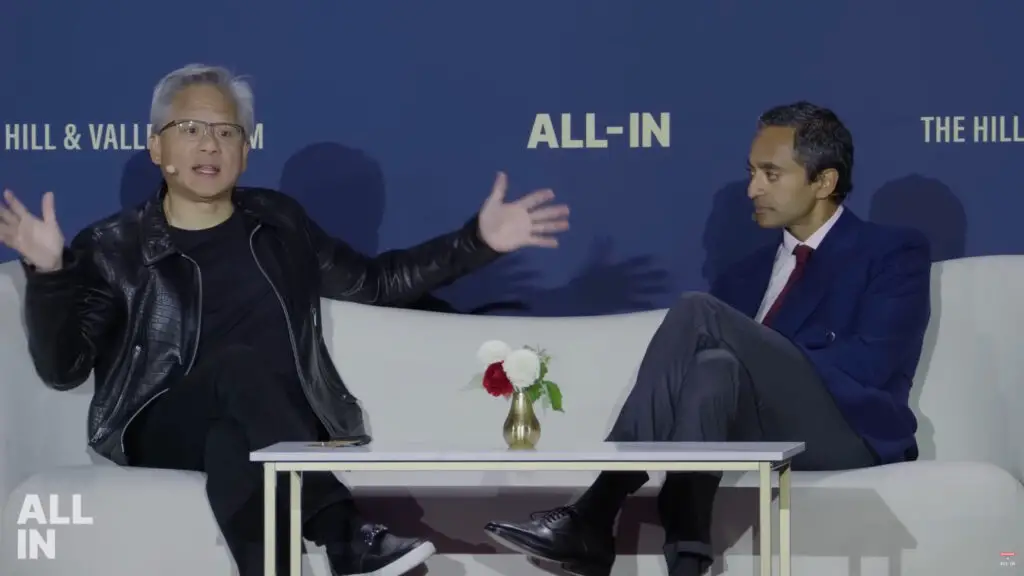
For those of us at Digital Tech Explorer, this development is a clear indicator of the rising importance of AI acceleration and semiconductor sovereignty in national policy. Historically, PCAST has served as the primary scientific advisory body for U.S. presidents, usually populated by Nobel laureates and university presidents. However, this iteration marks a distinct pivot toward industry expertise and venture-backed innovation.
The 2025 PCAST Roster: A Strategic Power Move
The administration’s focus is unmistakable: maintaining a competitive edge in artificial intelligence, quantum computing, and high-performance hardware. The executive order outlines a “national security imperative” to ensure the United States remains the global leader in these emerging technologies. By bringing in the architects of the modern digital world, the council aims to bridge the gap between fast-moving private innovation and government policy.
Here is the high-powered lineup currently set to advise the administration:
| Member Name | Organization / Role | Expertise Focus |
|---|---|---|
| Jensen Huang | CEO, Nvidia | AI Infrastructure & GPUs |
| Dr. Lisa Su | CEO, AMD | Semiconductors & High-Performance Computing |
| Mark Zuckerberg | CEO, Meta | Social Infrastructure & AI Research |
| Sergey Brin | Co-founder, Google | Search, AI, & Cloud Systems |
| Larry Ellison | CEO, Oracle | Enterprise Software & Data Centers |
| Safra Catz | Executive Vice Chair, Oracle | Corporate Strategy & Finance |
| Michael Dell | CEO, Dell Technologies | Computing Infrastructure |
| Marc Andreessen | Co-founder, Andreessen Horowitz | Venture Capital & Software Development |
| Fred Ehrsam | Co-founder, Coinbase | Blockchain & Digital Assets |
| Jacob DeWitte | CEO, Oklo | Nuclear Energy & Power Systems |
| Bob Mumgaard | CEO, Commonwealth Fusion | Nuclear Fusion Research |
| David Friedberg | CEO, The Production Board | Biotechnology & AgTech |
| John Martinis | Professor, UC Santa Barbara | Quantum Computing Physics |
This group will be supported by Michael Kratsios (Assistant to the President for Science and Technology) and David Sacks (Special Advisor for AI and Crypto). With a capacity for up to 24 members, the council still has room to bring in more voices from the frontier of blockchain and digital innovation.
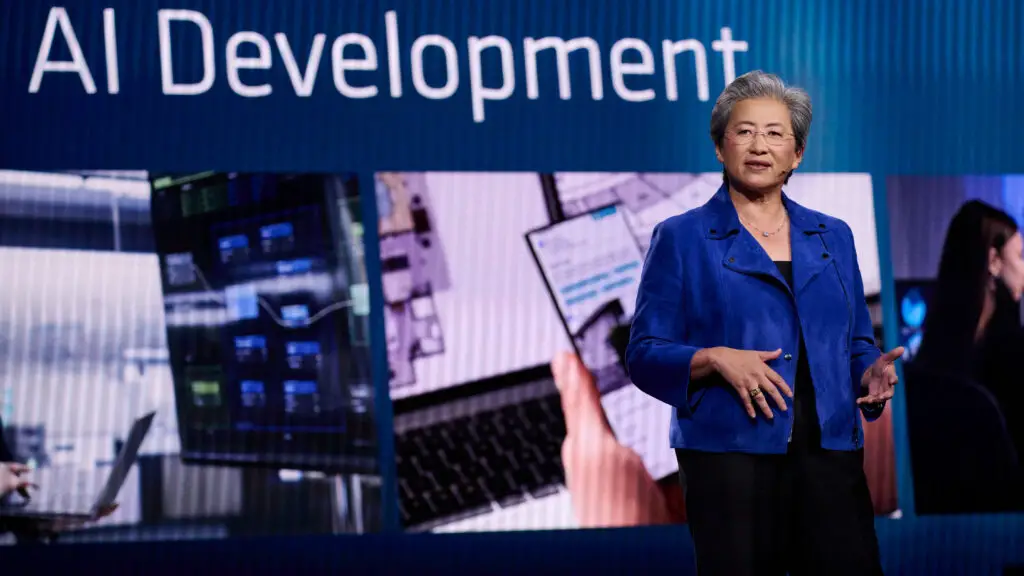
A Shift from the Classroom to the Cleanroom
The heavy weighting of CEOs over academics has sparked a lively debate within the scientific community. Critics argue that omitting traditional research scientists may lead to a bias toward short-term profitability over long-term discovery. However, from our perspective at Digital Tech Explorer, the speed of modern machine learning and GPU development requires a level of agility that only industry leaders can provide.
As TechTalesLeo, I see this as a narrative of “practical innovation.” When companies like Nvidia and AMD are effectively building the infrastructure of the future, their leaders possess the technical information necessary to inform the American economy and domestic workforce. The council is authorized to request data from federal agencies, ensuring that these tech giants can help steer the ship toward national security goals.

The inclusion of Jensen Huang is particularly significant. As the 2024 releases of AI-driven hardware have shown, Nvidia’s architecture has become the backbone of the global AI race. Whether this business-centric approach will successfully navigate the complex ethics of science remains to be seen, but the administration is betting on the people who have already proven they can build the future.
Stay tuned to Digital Tech Explorer as we continue to track how these appointments influence the tech landscape and the future of coding and hardware development.
Disclaimer: All content on Digital Tech Explorer is for informational and entertainment purposes only. We do not provide financial or legal advice. Some links may be affiliate links; please see our full disclosure for more details.