
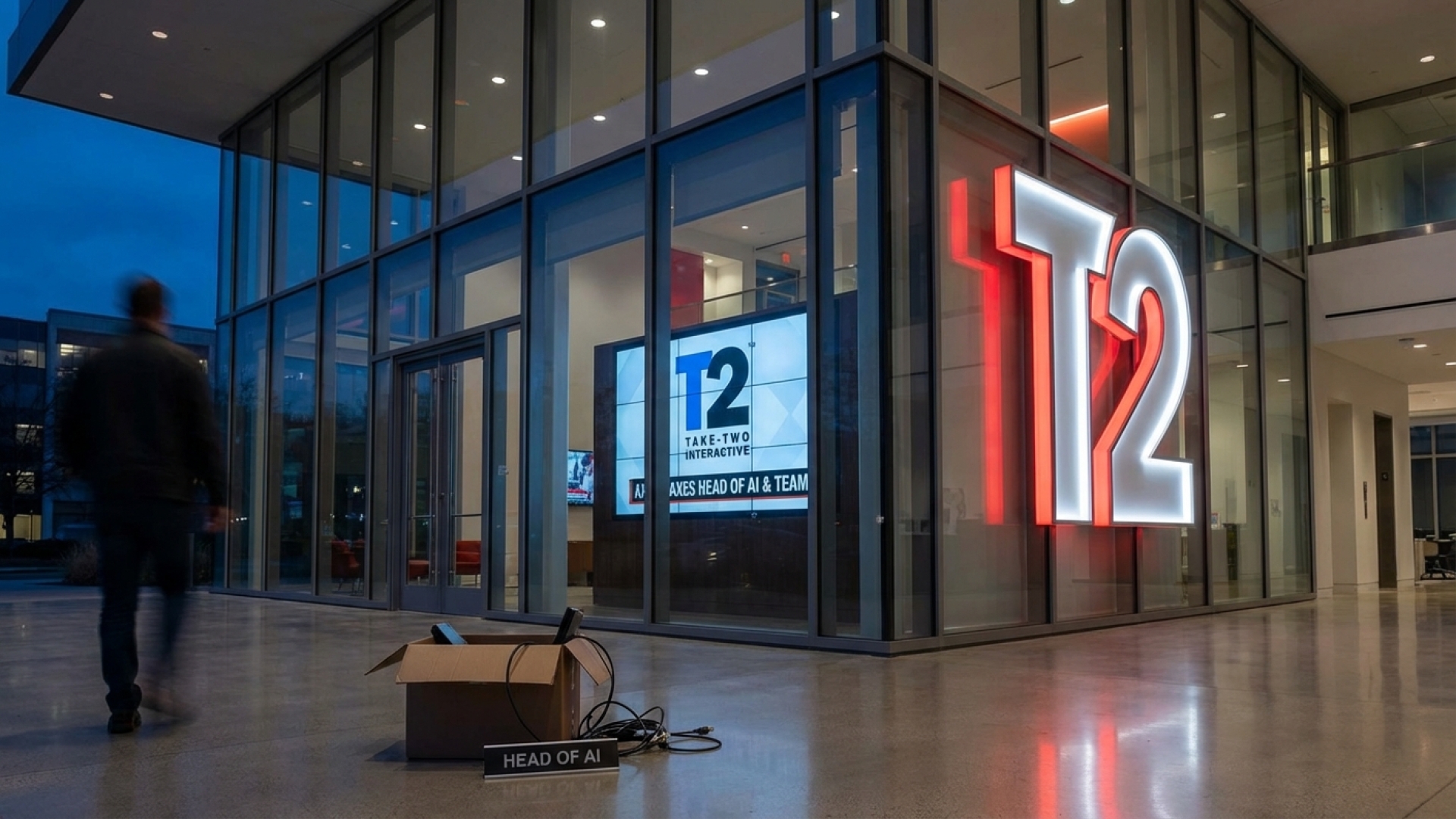
In a move that has sent ripples through both the gaming and tech sectors, Take-Two Interactive—the powerhouse behind massive franchises like Grand Theft Auto and Red Dead Redemption—has reportedly laid off its Head of Artificial Intelligence, Luke Dicken, along with his specialized team. This decision comes as a surprise to many industry observers at Digital Tech Explorer, especially since it follows closely on the heels of CEO Strauss Zelnick’s vocal support for the integration of generative AI within the company’s development pipeline.
A Shift in Take-Two’s AI Leadership
Luke Dicken joined Take-Two Interactive in early 2023, bringing over a decade of experience from Zynga, which Take-Two acquired in 2022. During his 18-month tenure, Dicken was tasked with bridging the gap between emerging artificial intelligence and practical game development. In a recent update on his professional network, Dicken shared the news of his departure, expressing disappointment that his team’s journey had come to an abrupt end.
Dicken’s team was focused on building high-end systems designed to empower developers rather than replace them. His work involved leveraging Large Language Models (LLMs) and Diffusion Models to streamline workflows—a strategy he had previously championed at Zynga. His exit leaves a significant vacancy in the leadership of Take-Two’s dedicated machine learning initiatives, raising questions about the company’s long-term internal strategy.
Contrasting Corporate Narratives
The timing of these layoffs creates a confusing narrative for tech enthusiasts. Only two months ago, during a 2026 investor call, Strauss Zelnick highlighted that Take-Two was “actively embracing” generative technology, citing hundreds of active pilot programs across their various studios. This was seen as a major signal to investors that the company was staying ahead of the curve in AI acceleration.
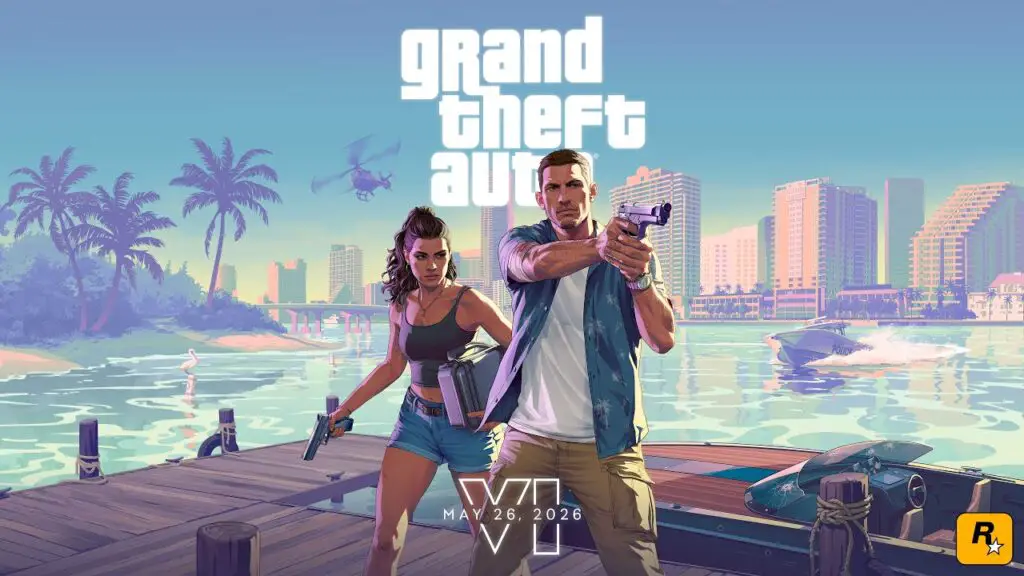
However, Zelnick has also been known for a more skeptical, “wait-and-see” approach. He previously noted that while the tech is impressive, it is inherently “backward-looking” because it relies on existing data. Most notably, he previously claimed that these technologies had “zero part” in the current development of Grand Theft Auto 6 by Rockstar Games. This internal friction between public-facing enthusiasm and actual departmental downsizing suggests a pivot in how the publisher intends to source its tech solutions.
The Broader Tech Landscape: A Period of Recalibration
To understand Take-Two’s move, we have to look at the broader hardware and software industry trends. The initial hype surrounding generative tools is meeting the reality of high operational costs and shifting investments. Take-Two isn’t the only giant making adjustments.
| Company | Recent Action | Impact/Context |
|---|---|---|
| OpenAI | Discontinued Sora video app | Loss of $1 billion Disney investment deal |
| Oracle | Workforce reduction | Approximately 10,000 employees laid off |
| Take-Two | Dissolved dedicated AI team | Shift away from centralized internal AI leadership |
At Digital Tech Explorer, we see this as part of a wider industry “recalibration.” As companies transition from experimentation to integration, they are often moving away from specialized, centralized teams in favor of decentralized tools or third-party partnerships. While the loss of Luke Dicken’s expertise is a blow to Take-Two’s internal innovation, it reflects a volatile era where even the biggest names in gaming are still figuring out where human creativity ends and machine efficiency begins.

Stay tuned to Digital Tech Explorer for more in-depth analyses on how digital innovation continues to shape the future of software and development.