

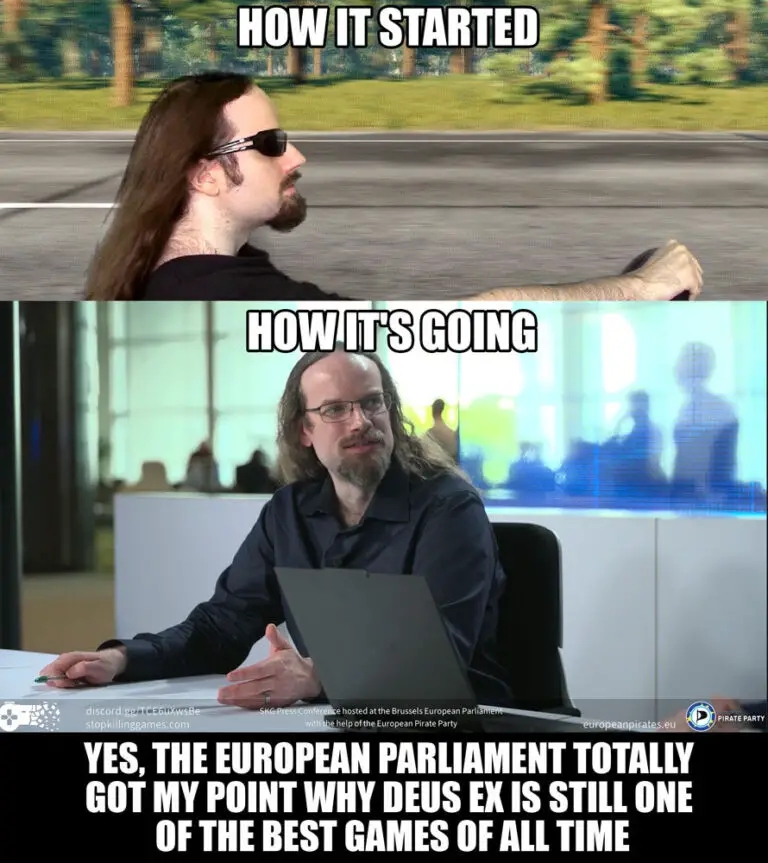
At Digital Tech Explorer, we often discuss the cutting edge of software engineering and the rapid evolution of digital tools. However, a significant narrative is unfolding in the halls of power that could redefine how we own and interact with software forever. In a landmark moment for the global gaming community, the Stop Killing Games campaign recently presented a compelling case before the European Parliament, marking a major milestone for consumer protection and the preservation of digital history.
The Fight for Digital Permanence: A Historic Hearing
As a dynamic storyteller in the tech space, I’ve watched many trends come and go, but the “planned obsolescence” of software is a challenge that affects every enthusiast and professional. During the hearing, Stop Killing Games—an initiative founded by Ross Scott and organized by Moritz Katzner—articulated the growing frustration over server-dependent videogames being rendered unplayable by their creators.
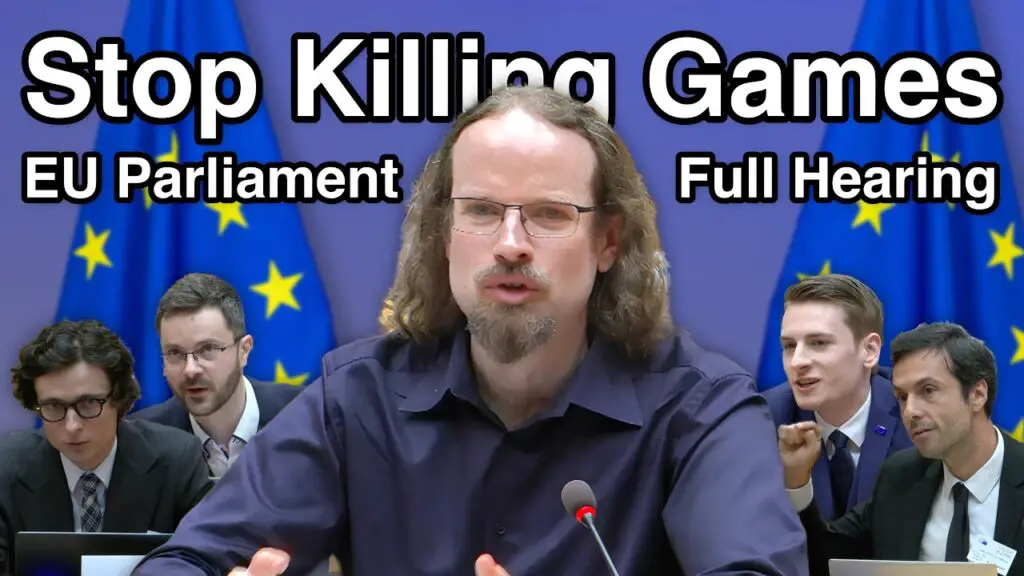
Daniel Ondruška, a consultant for the movement, clarified that the campaign isn’t demanding an impossible standard of eternal live-service support. Instead, it advocates for digital innovation in how games are retired. The goal is to establish future legislative requirements that prevent titles from being “bricked” once a studio decides to stop hosting servers. Ondruška highlighted the technical disparity between older titles that remain functional today and modern software that ceases to exist due to specific business decisions and restrictive design architecture.
From a software engineering perspective, Ross Scott argued that integrating end-of-life planning into a project’s initial development budget is a minor cost. He noted that many industry estimates regarding the “difficulty” of allowing offline play are often inflated, as they include features irrelevant to a solo or peer-to-peer experience.
Broad Support Across the Political Spectrum
The reception from Members of the European Parliament (MEPs) was surprisingly unified. Anna Cavazzini, chair of the Committees on the Internal Market and Consumer Protection, lauded the campaign’s research and noted significant cross-party support for the initiative. MEP Ilhan Kyuchyuk further confirmed that the push for better software rights is gaining traction within the relevant committees.
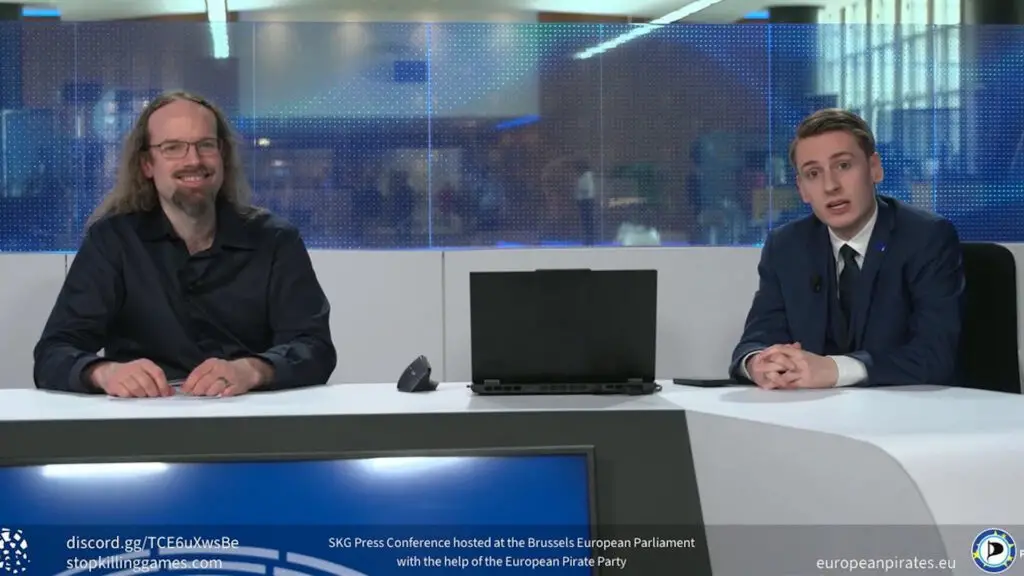
Following the session, Katzner described the atmosphere as “incredible,” noting the lack of pushback from legislators. While the team celebrated this “mission achieved” moment, they acknowledged that the road to formal legislative change remains long. For our readers at Digital Tech Explorer, this represents a pivotal shift in how we might view digital ownership in the coming years.
A Global Strategy for Game Preservation
The momentum doesn’t stop at the EU borders. The organization has announced the establishment of new NGOs in both Europe and the United States. These entities are designed to conduct “long-term counter-lobbying” against premature software shutdowns within the gaming industry.
This initiative gained further legal weight in March when Stop Killing Games supported a major lawsuit against Ubisoft. Filed by a prominent French consumer association, the suit focuses on the shutdown of The Crew, a popular racing title. This legal action underscores the movement’s commitment to ensuring that digital purchases aren’t just temporary rentals subject to the whims of a corporate server.

At Digital Tech Explorer, we believe that transparency in hardware and software development is key to a healthy tech ecosystem. As TechTalesLeo, I will continue to track this story as it bridges the gap between complex coding decisions and the rights of every everyday user. Stay tuned as we monitor how these legislative steps will influence the 2024 and 2025 release cycles.
For more in-depth analyses and the latest in digital innovation, visit our author page or explore our latest AI and tech news.