
Disclaimer: Some of the links on Digital Tech Explorer are affiliate links. This means we may earn a commission if you click through and make a purchase, at no additional cost to you. Our recommendations are based on thorough research and personal experience. All content is for informational and entertainment purposes only.
In the ever-evolving landscape of digital innovation, every so often a title emerges that defies simple categorization. Ten months from now, Titanium Court is poised to dominate Game of the Year discussions. Having spent just 90 minutes exploring its depths, it is clear that this isn’t just another indie release; it’s a masterclass in game design. What begins as an “interesting” distraction rapidly transforms into a “must-play” experience, proving that there is significant depth beneath its initial aesthetic charm.
More Than Just a Match-3 Experience
At first glance, Titanium Court might be mistaken for a standard match-3 puzzle game. However, that description is a vast simplification. It is, in reality, a sophisticated tactics RPG where players strategically redesign the very landscape of the battlefield. During the “High Tide” phase, matching three field tiles grants you crucial food, which is essential for deploying troops.
The strategic layer goes deeper: arranging mountains near your court tile effectively slows down approaching enemies, while successfully combining enemy fortresses makes them vanish entirely. Mastering these cascading matches allows you to extend the High Tide phase, yielding greater strategic advantages and more resources for the coming conflict.
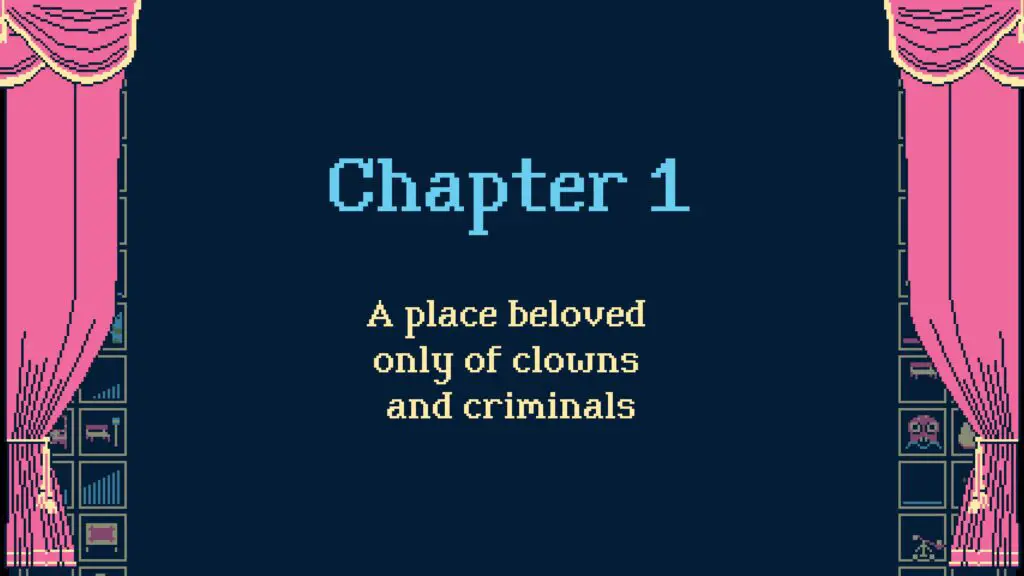
Strategic Depth and Expanding Mechanics
The “Low Tide” phase shifts the focus to direct action. Here, you utilize your accumulated resources to deploy little troops with specific objectives. These units can be directed to harvest wheat or wood for survival or tasked to smash enemy fortresses. The interplay here is profound; every tile swipe requires a careful weigh-in of immediate gains versus long-term impacts on resource generation and defensive lines. The game constantly asks: do you clear a path for a match, or preserve a river to deter enemy advancements?
| Feature | Description |
|---|---|
| Genre | Tactics RPG / Match-3 / Roguelike |
| Developer | AP Thomson |
| Key Mechanics | Resource Management, Tile-based Combat, Base Building |
| Platform | PC (Steam) |
As you progress, Titanium Court introduces a wealth of additional mechanics that keep the gameplay fresh. You might discover a shop on the field offering new troop types, but it remains accessible only if you protect it until Low Tide. From hospitals that heal your court to treasure chests requiring specific keys, the variables are endless. Even environmental elements become strategic tools—catapults can be ignited with magic potions, but players must be wary of fire spreading to their own court.
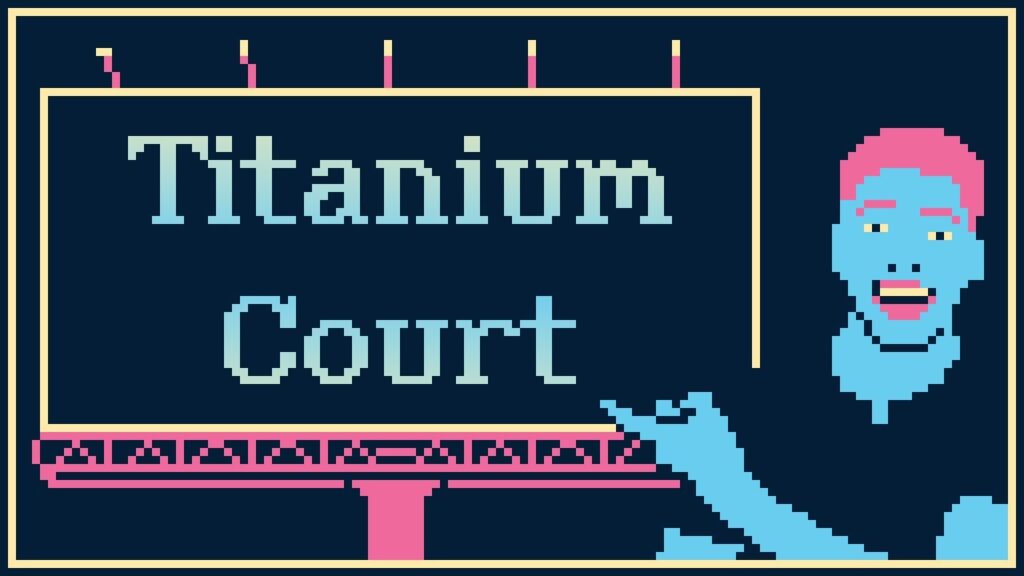
A Roguelike Journey with a Rich Narrative
The full game promises an engaging roguelike-inspired structure, allowing players to choose from one of three battlefields before each engagement. Each run involves stockpiling resources and striving to survive until confronting a boss. Upon returning to your court, the focus broadens into a captivating mystery regarding your otherworldly surroundings and its peculiar inhabitants. This narrative layer, crafted by indie developer AP Thomson, is where the game truly shines, offering an immersive experience that goes far beyond its core mechanics.
Distinctive Art, Writing, and Atmosphere
Much like how Hades transcended the action genre, Titanium Court uses its match-3 foundation as a springboard for something far more special. AP Thomson’s art style is remarkably expressive, blending literal representations with abstract sparks of emotion. The writing is notably witty and playfully meta, often drawing comparisons to the humor of Terry Pratchett. Lines like, “So okay, first you take a metaphor, and then you stretch it really thin, right?” instantly convey its unique charm and intellectual playfulness.
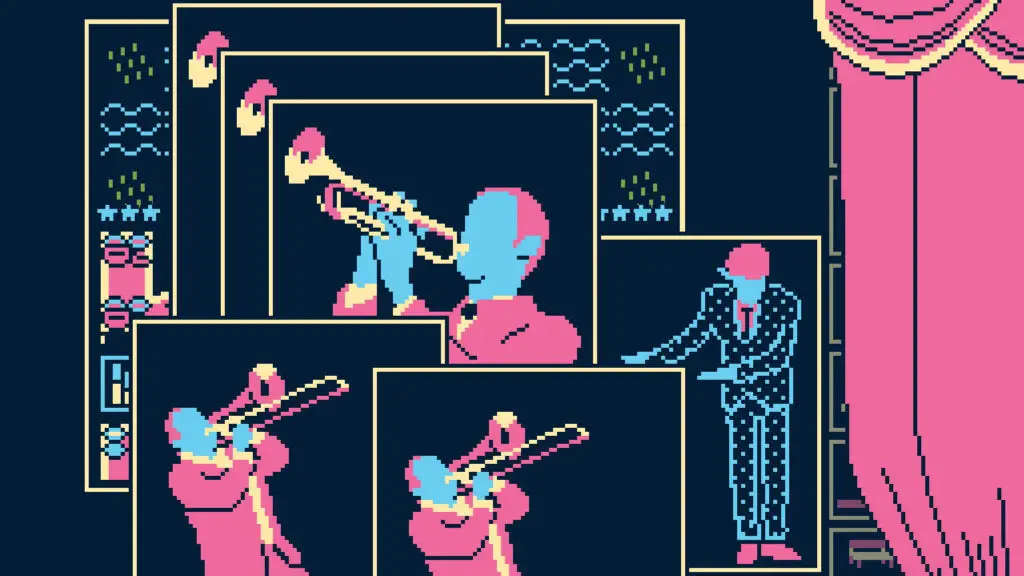
Similar to the meticulously hand-crafted visions found in titles like Papers, Please or Return of the Obra Dinn, Titanium Court feels singular in its execution. The cohesive color palette, the pervasive sense of magical realism, and the atmospheric reverby surf guitar riff all contribute to a perfectly matched, unforgettable tone that resonates with both tech novices and seasoned professionals.
A Future Game of the Year Contender
Even with its status as a finalist for the Independent Games Festival awards, its ability to entrance players with its otherworldly premise and rapidly escalating complexity is genuinely surprising. It is clear that the puzzles evolve well beyond simple combinations. Whether it ultimately claims a “best strategy” or “best puzzle” category, it’s highly likely to be a strong contender for 2024’s top accolades. To stay ahead of the trend, you owe it to yourself to play the demo now and discover this digital gem before it hits the mainstream.
For more insights into the latest gaming trends and 2024 releases, keep exploring with Digital Tech Explorer.