
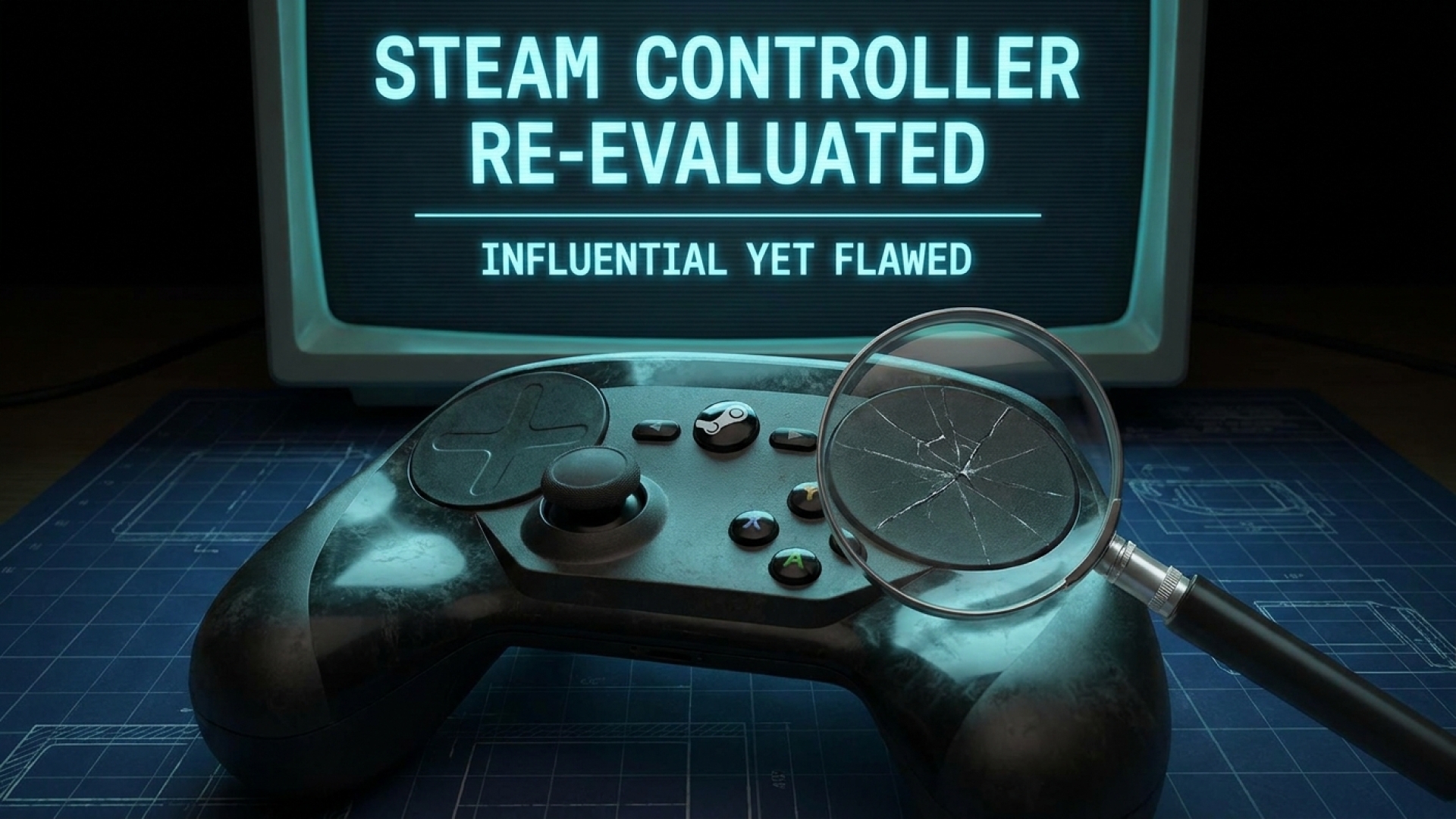
Valve made a bold statement with the introduction of its Steam Controller in 2015. Designed specifically for PC gaming from the comfort of a sofa, this innovative pad diverged from traditional layouts by replacing the right thumbstick with a mouse-like trackpad. An additional trackpad on the left side, substituting the conventional d-pad, meant users were “dual-wielding” and faced a steep learning curve. Despite its polarizing aesthetics and initial reception, some dedicated users swore by its unique approach. At Digital Tech Explorer, we love a good hardware evolution story, and the Steam Controller is perhaps one of the most fascinating chapters in modern gaming history.
The general public’s reception was famously lukewarm, leading Valve to eventually sell the remaining stock for a mere $5 towards the end of its life cycle. However, as the controller recently marked its tenth anniversary and rumors of a Steam Controller follow-up intensify for 2024 releases, it’s timely to re-examine its influence and performance through a modern lens.
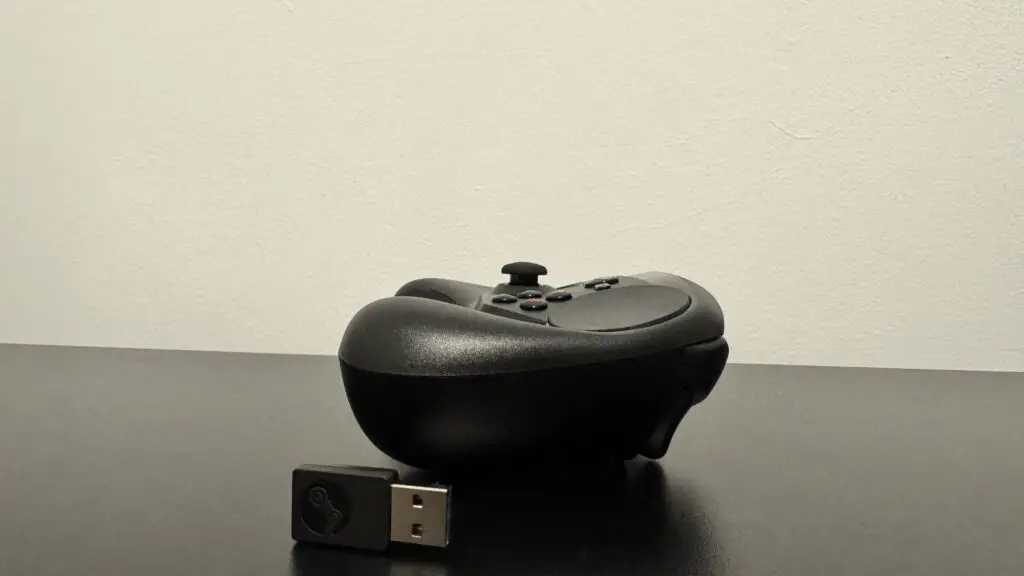
Steam Controller (2015) Specifications
To understand where we are going with the next generation of Valve hardware, we must first look at the technical foundation of the original.
| Feature | Details |
|---|---|
| Compatibility | Windows 10 and 11, Mac, SteamOS |
| Connectivity | Wireless (USB Dongle) and Wired (Micro-USB) |
| Thumbstick Layout | Single Analog Stick (Left) |
| Weight | 286 grams |
| Dimensions | 120 x 160 x 64.2 mm |
| Launch Price | $50 USD |
Initial Impressions and Build Quality
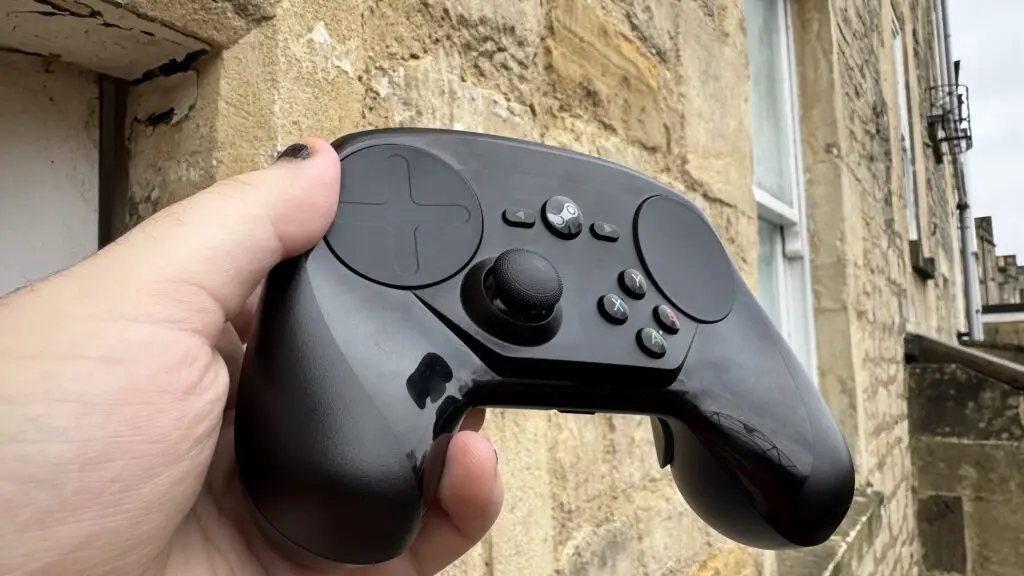
From the moment it’s picked up, the Steam Controller struggles to make a premium first impression. Its sunken side and the absence of a right thumbstick contribute to an awkward, almost unrefined look. Beyond aesthetics, the tactile feedback often leaves much to be desired. Most buttons produce a noticeable “clack,” with the bumpers being particularly loud. For hardware enthusiasts, a distinct internal “ping” often accompanies button presses—an unsettling sound reminiscent of grinding gears.
The haptics, while revolutionary at the time, come with a literal cost: an irritating ticking sound emitted by the trackpad. While reducing feedback in the Steam settings can mitigate this, it naturally compromises the tactile response that makes the mouse-emulation viable. On a more positive note, the battery system is cleverly integrated; a latch at the back releases a brace, allowing AA batteries to be inserted into the grips themselves. This keeps the center of gravity balanced, a small but appreciated touch from Valve’s engineering team.
Gaming Performance: FPS and Action Titles
Given the ambition to bridge the gap between mouse and keyboard, our testing at Digital Tech Explorer focused heavily on high-precision genres. In Counter-Strike 2, the experience remains “awkward” by modern standards. While fine control isn’t impossible, executing quick, precise snap shots requires significant effort with minimal reward compared to a standard mouse or even a modern hall-effect joystick.
Performance in other PC games like Echo Point Nova also felt inferior. A primary issue stems from the forced reliance on the trackpad for aiming. The ergonomic design makes it difficult to use a flat thumb, leading to constant hovering to avoid accidental inputs. This “hover-fatigue” is a common complaint among long-term users who never quite adjusted to the lack of physical resistance provided by a traditional stick.
In Rocket League, the challenges were even more apparent. Because the device is often not recognized as a traditional gamepad by older titles, manual configuration of mouse and keyboard controls is frequently required. This results in rigid movement; combining a jump with an air roll—a fluid motion on an Xbox or PlayStation controller—becomes a series of separate, slower inputs. Furthermore, the trackpad’s camera control can feel “janky and stuttery,” making high-speed ball handling a chore.
Gaming Performance: Strategy and Simulation
While the Steam Controller struggles with traditional gaming genres, its unique design reveals its true purpose in strategy and simulation titles. This is where TechTalesLeo finds the “soul” of the device. When playing Against the Storm, the vision behind the hardware becomes crystal clear. While a mouse is still technically superior, the trackpad is remarkably effective for couch play.
In Crusader Kings 2 and Total War: Warhammer 3, the device allows for a level of overworld navigation that standard controllers simply cannot match. The ability to map complex menus to the trackpad’s “touch menus” is a game-changer for strategy fans. While precise control in the corners of the screen can occasionally send the cursor off-map, the overall experience is a testament to the controller’s versatility in non-traditional spaces.
The Steam Controller’s Legacy and Influence
Despite its flaws, the original Steam Controller undeniably presented a compelling vision. Its ability to navigate PC interfaces without a mouse and keyboard paved the way for the “handheld PC” revolution we see today. Crucially, this device served as the primary trailblazer for Steam Input, the software layer that now allows almost any controller to work seamlessly with any game on Steam.
“One thing I can say for certain is that I see the vision here,” notes author TechTalesLeo. “It wasn’t about replacing the controller; it was about expanding what a controller could be.”
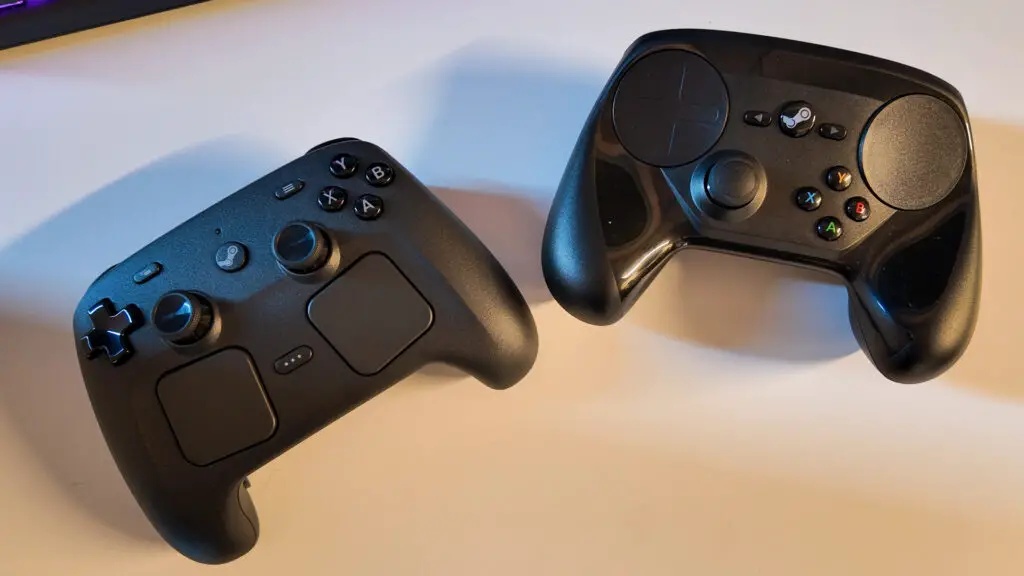
This pioneering effort proved invaluable in the development of the Steam Deck. Valve designers have openly acknowledged that the Deck’s versatile control scheme—featuring two trackpads, two joysticks, and a directional pad—is the direct evolution of the lessons learned here. This legacy is also expected to influence the rumored new Steam Controller, which fans hope will combine this innovative spirit with modern build quality.
Conclusion: A Flawed but Influential Pioneer
The original Steam Controller was undeniably a product with significant shortcomings: it felt “plasticky,” had a steep learning curve, and its build quality was questionable. However, its innovative approach laid the groundwork for the modern PC gaming ecosystem.
As we look forward to potential 2024 releases in the hardware space, there’s an undeniable charm to the original’s eccentricity. It represented a bold experiment by Valve to break the console mold. For those who embraced its quirks, it offered a unique way to interact with their library. Its influence on future hardware, particularly the Steam Deck, secures its place as a significant, albeit flawed, pioneer in the world of technology.