
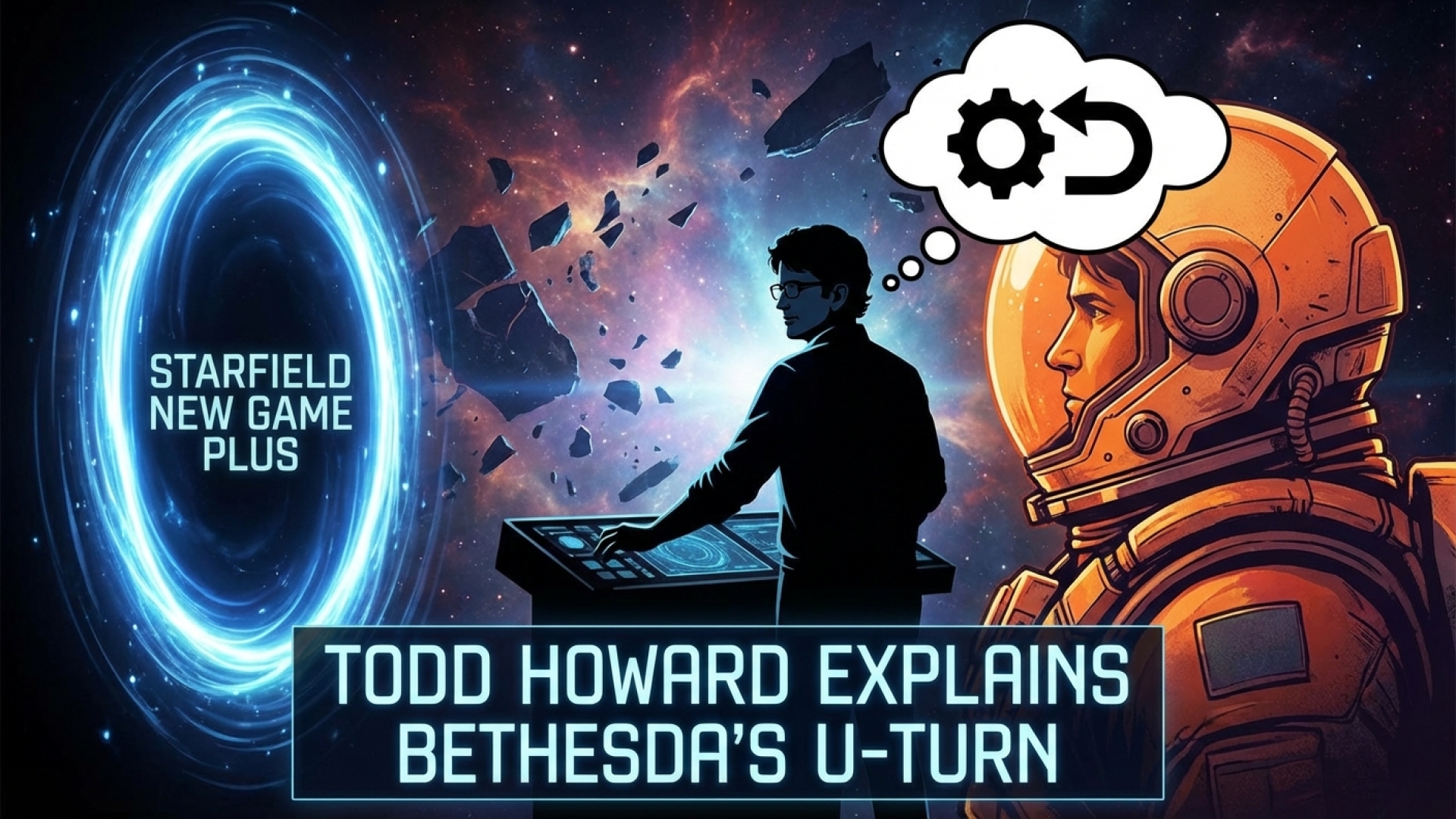
At Digital Tech Explorer, we closely follow how software architecture and game design evolve to meet user demands. Recently, Bethesda’s massive space RPG, Starfield, received its “Free Lanes” update. While the patch delivers several quality-of-life improvements, the spotlight is on a fundamental shift in the game’s unique New Game Plus (NG+) mechanic. Director Todd Howard recently admitted this change is a significant “U-turn” on the game’s original design philosophy.
The Philosophy of The Unity
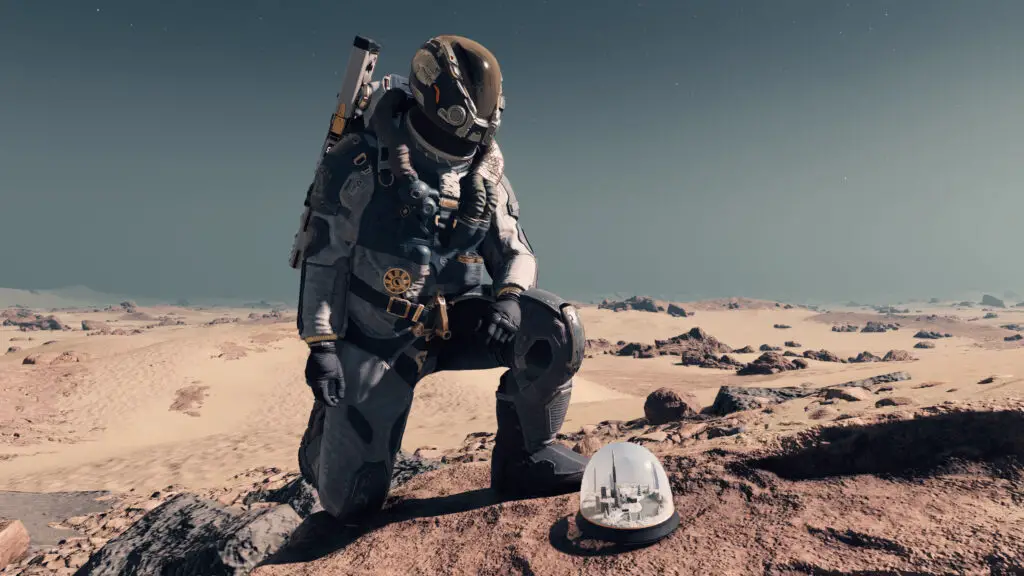
For players navigating the star systems of Starfield, the main quest concludes at “The Unity”—a gateway to the multiverse. Entering The Unity initiates NG+, allowing players to retain skills and powers while sacrificing all physical possessions, ships, and relationships. This wasn’t just a mechanic; it was a narrative experiment in loss and power.
“The Unity was our way of doing New Game+,” Howard explained in a recent interview. “It was us asking you this weird, deep question that I actually think got lost on a lot of people. It asks if you are just this power gamer who wants to get everything, or are you willing to leave this world behind?”
Howard cited the 2014 sci-fi film Edge of Tomorrow as a primary influence. The goal was to replicate the bittersweet sensation of repeating a journey where no one remembers your previous sacrifices. However, the reality of player psychology in gaming often prioritizes tangible progression over narrative poignancy.

The “Free Lanes” Pivot: Player Attachment vs. Vision
Despite the high-concept vision, Bethesda observed a data-driven reality: many players refused to enter The Unity. After spending hundreds of hours building intricate outposts or engineering the perfect starship, the prospect of losing that progress was a “bridge too far.”
The “Free Lanes” update represents a compromise between Howard’s artistic vision and the practical desires of the community. To bridge this gap, Bethesda has introduced several key changes to the NG+ loop:
| Feature | Original Mechanic | “Free Lanes” Update |
|---|---|---|
| Item Retention | Zero items carried over. | New container allows up to 50 items to persist. |
| Gear Upgrades | Standard loot tables. | Introduction of “X-Tech” for higher-tier NG+ upgrades. |
| Narrative Focus | Total sacrifice for power. | Balanced progression with legacy rewards. |
Creative producer Tim Lamb noted that player attachment to their creations was hindering them from seeing the “weird stuff”—unique universe variations that only trigger in subsequent playthroughs. By allowing players to keep a cache of legendary gear, Bethesda hopes to lower the barrier to entry for the multiverse.
Refining the “Elder Loop”
Howard frames this shift as an evolution of what he calls the “elder loop”—the gameplay cycle that sustains a title long after the credits roll. While new questlines like the Trackers Alliance offer immediate content, Bethesda is prioritizing updates that fundamentally alter the long-term experience.
“We want to be trying to do more things that update the game where it’s going to change the next 100 hours,” Howard stated. “You can tell us if we’ve done our job right.”
As PC games continue to move toward long-term service models, the “Free Lanes” update demonstrates Bethesda’s willingness to listen to player feedback. Whether the ability to save 50 items is enough to convince “hoarders” to take the leap into a new reality remains to be seen. However, for those looking to stay ahead of 2024 releases, Starfield continues to be a fascinating case study in balancing developer intent with player agency.

For more in-depth analyses on software trends and digital innovation, stay tuned to Digital Tech Explorer. Our mission is to help you navigate the evolving landscape of technology and gaming with transparency and research-backed insights.