
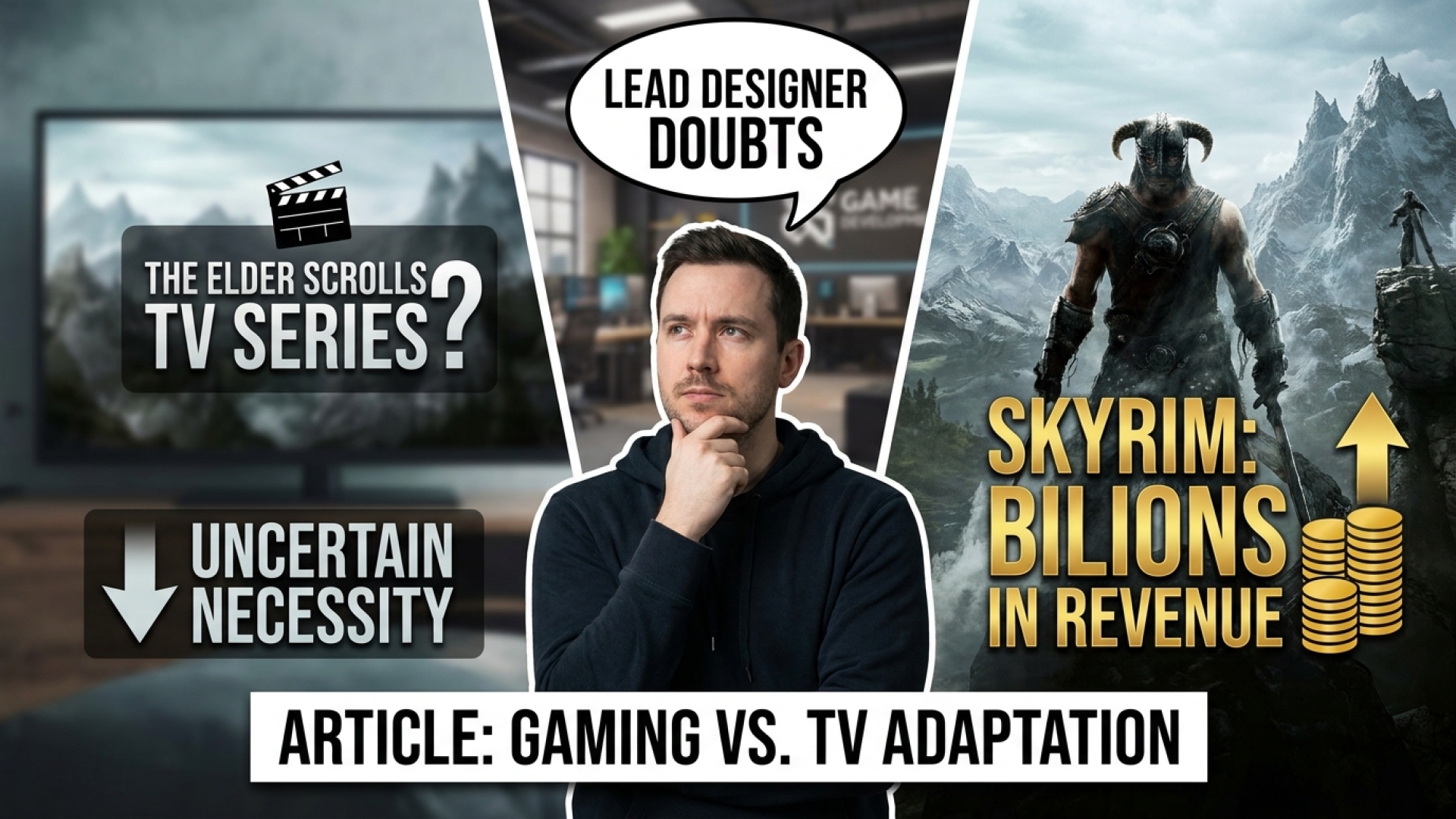
The Fallout TV series has become a bona fide cultural phenomenon, with Season 2 already generating more critical acclaim and fan anticipation than its predecessor. At Digital Tech Explorer, we’ve seen how digital adaptations can breathe new life into legacy franchises. Naturally, this success has sparked a heated debate: Should Bethesda attempt to strike lightning twice by bringing The Elder Scrolls to the small screen?
Given that fans arguably hold Skyrim in even higher regard than Fallout, a journey into the lands of Tamriel seems like a logical next step. However, a key figure from Bethesda’s history suggests we might want to temper our expectations.
Skyrim’s Lead Designer on Why an Elder Scrolls Show Isn’t a Priority
Bruce Nesmith, the lead designer on Skyrim who departed Bethesda in 2021, recently shared some sobering insights. In an exclusive interview with PressboxPR, Nesmith explained why the economics of a TV adaptation don’t always align with a developer’s bottom line.
“What you have to realize about things like the Fallout TV show is that they don’t make Bethesda money directly,” Nesmith noted. He emphasized that for a studio that generates billions from a single title like Skyrim, licensing fees are “just peanuts.”
According to Nesmith, the true value of these productions lies in brand notoriety and marketing. But does a franchise as massive as The Elder Scrolls actually need more marketing? “Do they really need marketing for Elder Scrolls 6?” he asked rhetorically.
The Identity Crisis: Standard Fantasy vs. Retro-Futurism
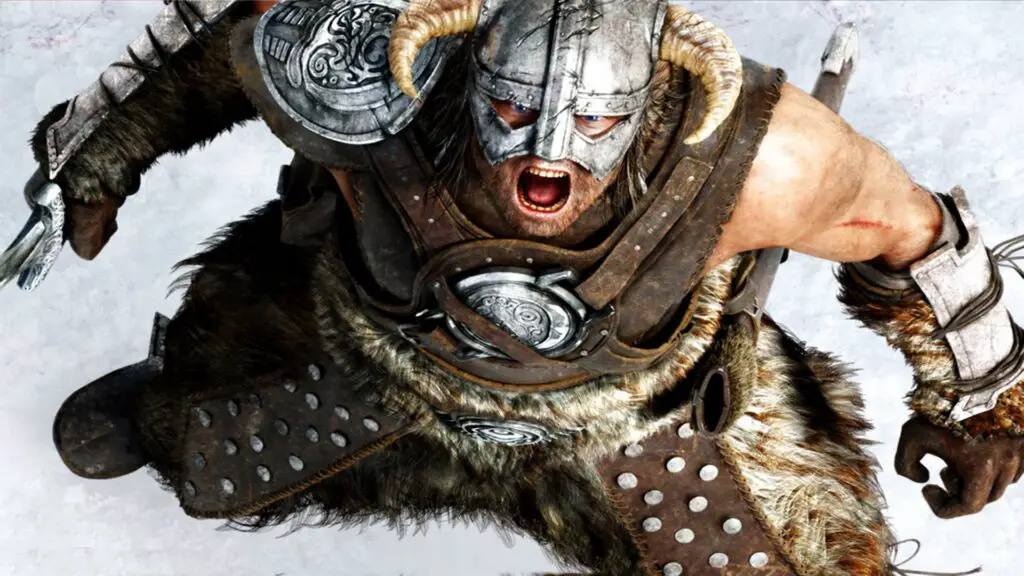
Beyond the financial aspect, Nesmith pointed toward a creative hurdle. While the gaming world is deeply immersed in the lore of Tamriel, casual viewers might find the setting too familiar. Nesmith argues that Skyrim leans into “standard fantasy” tropes that are already saturated by heavy hitters like The Lord of the Rings and Game of Thrones.
“There’s a dragon? I’ve seen dragons 20 times before,” Nesmith remarked. He suggested that while a movie might work, a long-form series might struggle to offer something fundamentally new to a general audience.
Contrast this with Fallout, which boasts a highly specific “Atompunk” aesthetic and a unique post-nuclear premise. Nesmith believes Fallout’s distinctiveness makes it far easier to market to a mainstream audience who might be tired of traditional elves and spells.
Comparing the Potential: Fallout vs. Elder Scrolls
To better understand the differences between these two IP powerhouses, here is how they stack up in the context of a television adaptation:
| Feature | Fallout (TV Series) | The Elder Scrolls (Potential) |
|---|---|---|
| Core Aesthetic | Retro-futuristic, Post-apocalyptic | High Fantasy, Medieval-inspired |
| Market Saturation | Low (Unique visual style) | High (Competing with LOTR, Witcher, etc.) |
| Primary Value | Brand revitalization and marketing | Fan service and lore expansion |
| Narrative Flexibility | High (Anthology style possible) | High (Spans thousands of years) |
TechTalesLeo’s Take: Why the Fans Still Deserve a Chance
As a storyteller who has spent years exploring digital innovation, I find Nesmith’s points valid but perhaps a bit too cynical. While The Elder Scrolls may share DNA with other fantasy epics, it is the specific lore—the bizarre theology of the Tribunal, the political intrigue of the Empire, and the unique cultures like the Khajiit and Argonians—that sets it apart.
At Digital Tech Explorer, we believe that technology and storytelling should serve the community. The millions of players still modding PC games like Morrowind and Oblivion aren’t just looking for “standard fantasy”; they are looking for the depth that Bethesda provides.
Furthermore, the “marketing” argument overlooks the joy of fan service. Imagine a high-budget Skyrim show featuring a cameo by Walton Goggins as a wandering Khajiit trader or a cryptic Greybeard. The potential for memes alone would justify the production! While we wait for news on hardware updates that will eventually power Elder Scrolls 6, a TV series could be the perfect bridge to keep the flame of Tamriel burning.
Disclaimer: All content on Digital Tech Explorer is for informational and entertainment purposes only. We do not provide financial or legal advice.
Affiliate Disclaimer: Some of the links on Digital Tech Explorer are affiliate links. This means we may earn a commission if you click through and make a purchase, at no additional cost to you. Our recommendations are based on thorough research and personal experience.