
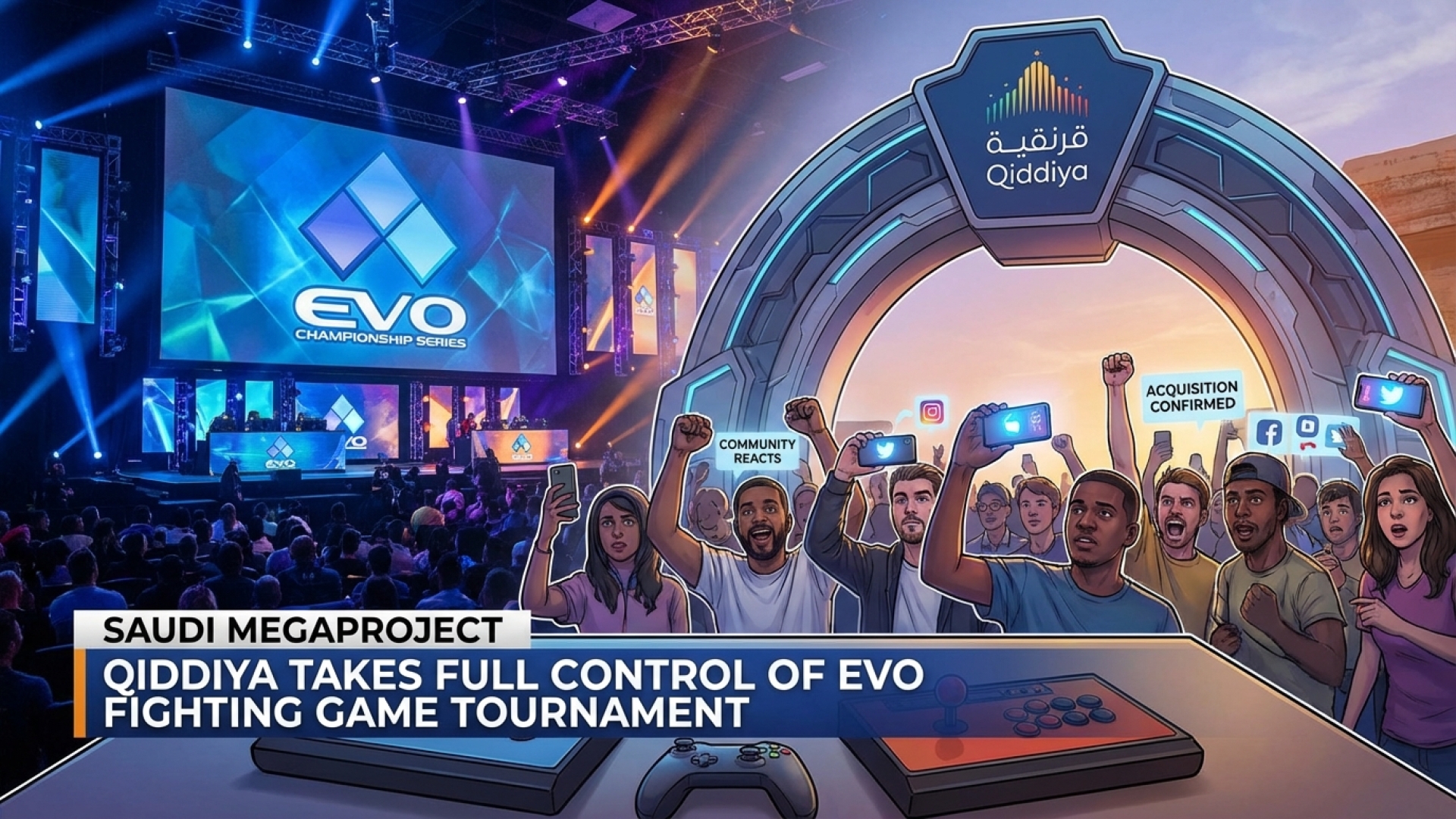
The fighting game community (FGC) has historically thrived on a grassroots foundation, built by passionate players in arcades and local basements. However, a significant shift in the competitive landscape occurred when the Saudi Arabian-owned megacity project Qiddiya acquired a co-ownership stake in Evo, the premier fighting game tournament series, through its company RTS. While the brand initially shared ownership with the Indian esports organization NODWIN, the digital and financial landscape has now shifted entirely.
As of recent developments, Evo is now wholly owned by Qiddiya. Despite this full acquisition, tournament organizers have issued public assurances, stating that Evo’s traditions, values, and identity will remain unchanged. Here at Digital Tech Explorer, we have seen similar corporate consolidations across the gaming and hardware sectors, and like the rest of the FGC, we are watching closely to see how this impacts the spirit of open competition.
Impact on Evo’s Future and Qiddiya’s Vision
In a recent update on the official Evo website, the organization confirmed its commitment to hosting three major tournaments in the upcoming year. For developers and tech enthusiasts following the global gaming circuit, the schedule includes:
| Event | Location | Date |
|---|---|---|
| Evo Japan | Tokyo, Japan | May |
| Evo Main Event | Las Vegas, USA | June |
| Evo France | Nice, France | October |
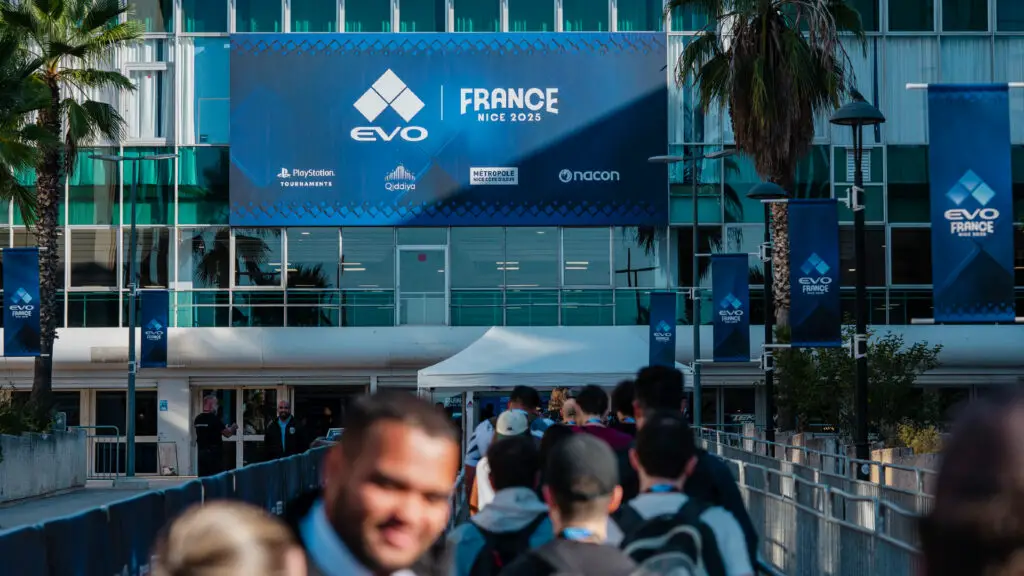
The statement from Evo leadership emphasizes that under RTS and Qiddiya ownership, the tournament’s core values will be preserved. The goal is to maintain a consistent focus on players, fans, and publishers across all levels of the gaming industry. Key leadership personnel, including RTS CEO Stuart Saw, are expected to remain at the helm to provide stability during this transition.
This acquisition is intended to “closer align Evo” with Qiddiya’s broader vision for gaming and esports. This ambitious plan includes the development of a massive esports district featuring four dedicated arenas. However, this integration into Riyadh’s Esports World Cup initiative has drawn criticism from those who view it as a sportswashing effort, potentially overshadowing the independent esports events that built the scene.
Community Reaction and Concerns
The announcement of Qiddiya’s full ownership has been met with considerable apprehension within the fighting game community. Many fans and competitors express concern about a state-backed entity taking over a scene traditionally defined by its independence.
On platforms like Reddit, the reaction was swift. Commenters have called for a “return to grassroots,” urging the community to prioritize “locals” over large-scale, corporate-backed tentpole tournaments. Some community members have even voiced fears that “Evo is dead,” suggesting the event’s original spirit—one of accessibility and community-driven passion—might be compromised under the new ownership structure.
There are also pragmatic concerns regarding the long-term commitment of such a massive project to the FGC. While the Saudi government is investing billions into AI, blockchain, and gaming infrastructure, fighting games generally yield lower profit margins than titles like League of Legends or Counter-Strike. This leads to the worry that if the project doesn’t meet financial expectations, the fighting game circuit could be sidelined in favor of more lucrative ventures.
The Resilience of the Grassroots Scene
As TechTalesLeo, I’ve seen technology and digital culture evolve through many phases of centralization. While the changes at Evo represent a massive shift in the industry, the fighting game community is famously resilient. The strength of the FGC doesn’t reside in a single brand, but in the vibrant, local scenes and the diverse array of global tournaments that continue to operate independently.
These community-driven events are the lifeblood of the genre, fostering new talent and providing a competitive environment that stays true to the players. Supporting these organic events remains essential for anyone who wants to see the competitive fighting game spirit thrive alongside these new high-tech, high-budget corporate ventures.
Disclaimer: All content on Digital Tech Explorer is for informational and entertainment purposes only. We do not provide financial or legal advice. Some of the links on our site are affiliate links, meaning we may earn a commission at no additional cost to you.